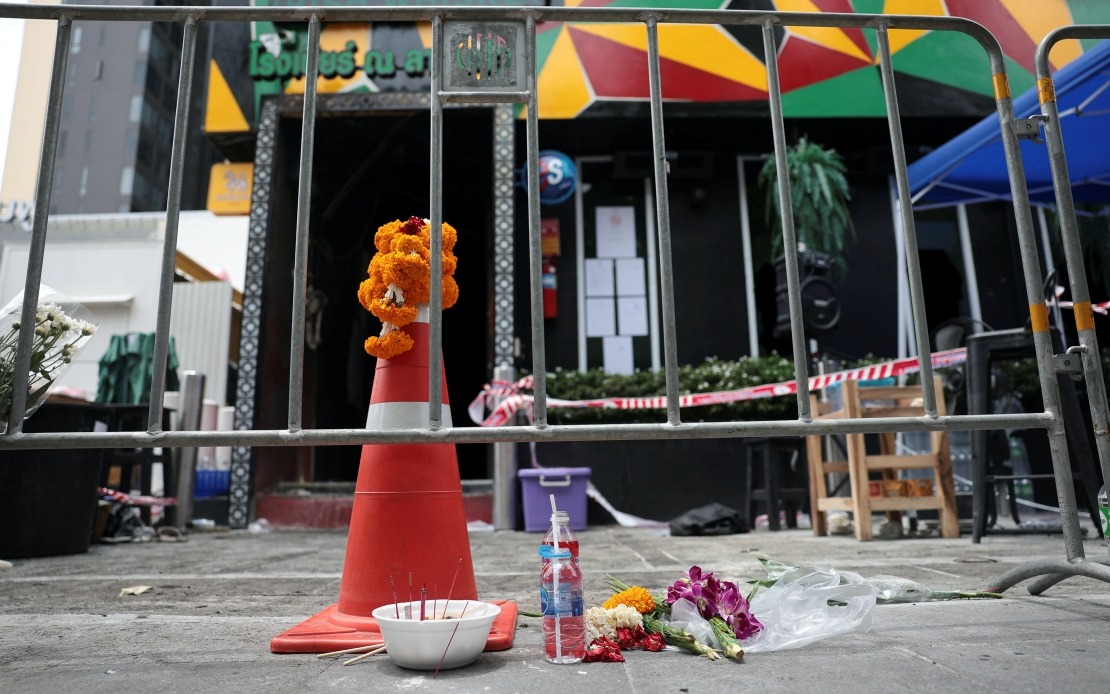
Thai police have determined that the 33 victims of a deadly fire at a Bangkok entertainment venue died from inhaling toxic gases rather than suffering fatal burns. The tragedy, which occurred in the Lat Phrao district shortly after midnight on Monday, has prompted a comprehensive investigation into the circumstances that allowed such lethal conditions to develop inside the crowded bar. Metropolitan Police Bureau Commissioner Police Lieutenant General Sayam Boonsom revealed to reporters that forensic examinations had conclusively established asphyxiation as the cause of death for all victims, with carbon monoxide and cyanide detected in their bodies during post-mortem analysis.
The presence of both carbon monoxide and cyanide in the bodies of the deceased points to a particularly dangerous scenario where multiple toxic byproducts of combustion accumulated within the venue. These gases operate by preventing human tissues from absorbing oxygen, creating a suffocation effect that can prove fatal within minutes of exposure. This distinction between burn deaths and toxic inhalation deaths carries significant implications for understanding how the fire spread and how occupants were overcome so quickly. The rapid onset of incapacitation suggests that smoke and toxic fumes filled the space with alarming speed, leaving little time for evacuation despite the presence of more than 100 people in the bar at the time.
Investigators have moved beyond the initial forensic examination of the scene and are now pursuing multiple potential causes for the blaze. Primary focus remains on electrical faults that could have ignited the fire, but police are equally concerned with uncovering systematic safety failures that compounded the tragedy. The inquiry has identified several categories of negligence and violation, including unauthorised modifications to the building's structure, blockages of emergency exit routes, and other breaches of basic fire safety protocols. These findings suggest that the venue may have prioritised operational convenience or aesthetic modifications over occupant safety.
The legal framework being applied to this investigation encompasses several distinct offences that prosecutors are preparing to pursue. Charges will likely include causing death and injury through negligence, carrying out unauthorised alterations to a building, and negligently causing a fire. Beyond these standard criminal charges, authorities are examining whether the premises operated in violation of entertainment venue regulations and licensing requirements. Police are investigating whether the bar had exceeded the scope of its operating licence, a question that carries implications for how authorities monitor and enforce compliance among Bangkok's extensive entertainment sector.
The sheer scale of the investigation underscores the complexity of determining accountability in such incidents. Police have conducted interviews with more than 106 witnesses, gathering accounts from survivors, bystanders, emergency responders, and others with knowledge of the venue's operations. These testimonies will be crucial in establishing the sequence of events, identifying who was responsible for specific safety violations, and determining whether any individual or entity demonstrated criminal negligence. The witness statements may also reveal whether warnings about the venue's safety conditions had been raised previously.
At the time of the police statement, 14 people remained in intensive care units across Bangkok's hospitals, while 44 others had been discharged. The ongoing medical treatment of the injured represents both a humanitarian concern and a legal consideration, as the severity and extent of injuries strengthen the case against those deemed responsible. The recovery process for survivors extends well beyond physical healing, with many having experienced trauma from the rapid onset of toxic fumes and the chaotic evacuation.
For Malaysian readers, this incident carries sobering parallels to entertainment venues across Southeast Asia, many of which operate in conditions of varying regulatory oversight. Malaysia has experienced similar tragedies historically, and fire safety compliance remains a critical issue in nightclubs, bars, and karaoke establishments throughout the region. The Bangkok case demonstrates how quickly a routine night out can transform into a catastrophe when multiple safety systems fail simultaneously. The combination of blocked exits, structural modifications that may have altered smoke spread patterns, and potential electrical ignition sources created a perfect storm of preventable failures.
The investigation's emphasis on unauthorised building modifications highlights a broader regional problem where venue operators undertake renovations or structural changes without proper engineering review or safety authority approval. In many Southeast Asian countries, including Malaysia, enforcement of building codes and fire safety standards in entertainment districts remains inconsistent. The Bangkok tragedy will likely prompt regional authorities to reassess their inspection and monitoring protocols. Malaysian fire departments and building authorities may use this case as a teaching point for their own enforcement efforts, particularly given the similarities in how bars and nightclubs are operated across the region.
The focus on emergency exit blockages represents another critical failure that appears across multiple jurisdictions. Exits become blocked through accumulation of furniture, equipment, or inventory, or are deliberately locked to prevent unauthorised entry or exit. The Bangkok investigation will reveal which category applied in this case, but preliminary findings suggest deliberate or negligent obstruction of escape routes. In Malaysia and throughout Southeast Asia, fire safety inspectors face ongoing challenges ensuring that entertainment venues maintain clear, accessible emergency exits, particularly during busy operating hours when crowd management becomes prioritised over safety protocol compliance.
As the investigation progresses toward formal charges, attention will focus on the decision-making patterns that led to the accumulation of these multiple safety failures. Whether a single negligent operator, systemic inadequacies in venue management, or failures in regulatory oversight emerge as the primary culprit remains to be determined. What seems clear already is that this fire resulted not from an inevitable accident but from a combination of preventable conditions. For Malaysia's entertainment industry and regulatory bodies, the Bangkok case provides urgent context for reviewing and strengthening compliance frameworks that protect patrons and workers in these high-risk environments.

