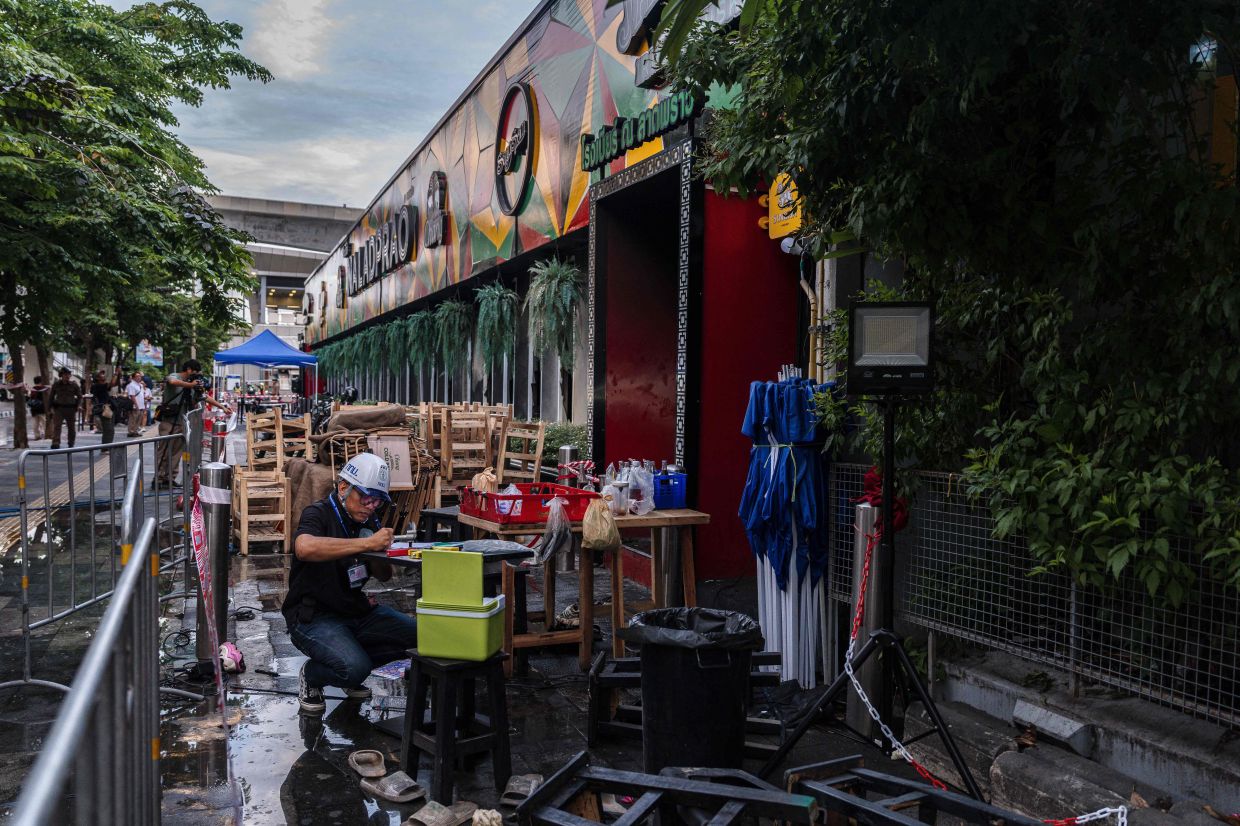
Bangkok's Metropolitan Administration moved swiftly to establish victim support services and order sweeping safety audits following a devastating fire at a restaurant-brewery complex in the Lat Phrao area that claimed 27 lives in the early hours of Monday. Governor Chadchart Sittipunt arrived at the scene shortly before 2.40am and immediately instructed the Chatuchak District Office to set up a coordination centre to help families of the deceased and injured navigate the bureaucratic and emotional aftermath. The emergency response underscores Thailand's ongoing struggle with workplace safety standards and fire code enforcement, issues that have haunted the nation following several high-profile incidents in recent years.
The death toll comprised nine men and 18 women, with an additional 18 people sustaining injuries. Among the injured, eight faced serious conditions requiring intensive care, while seven experienced moderate injuries and three suffered minor harm. All casualties were transported to hospitals, though formal identification procedures remained ongoing as of Monday morning, highlighting the severity of the blaze's damage. The disproportionate number of female victims raised immediate questions about the venue's clientele and whether certain areas became death traps during the emergency. Authorities urged families to obtain verified information exclusively through the official coordination centre rather than relying on unconfirmed reports circulating through social media and informal networks.
Firefighters responding to emergency calls arrived within five minutes, yet found the situation already beyond immediate control. Fire and Rescue Department director Suriyachai Rawiwan explained that flames had already engulfed much of the structure by the time crews reached the entrance. Thick, suffocating smoke permeating the interior severely hampered rescue operations, preventing teams from locating and extracting those trapped in darkened areas. Preliminary evidence suggests that many victims, disoriented by smoke, moved toward toilet facilities at the rear of the building rather than designated emergency exits, a pattern that significantly complicated rescue logistics and contributed to the high death toll.
Initial investigations revealed structural factors that may have accelerated the tragedy. The venue possessed only two emergency exits, with one requiring passage through the kitchen area—a design that inherently compromised evacuation efficiency during a fire emergency. Critically, preliminary inspections found that objects apparently obstructed at least one emergency exit on the building's left side, effectively blocking escape routes and trapping occupants. Governor Chadchart observed that flames spread with unusual rapidity across the ceiling structure, while plastic furnishings in several sections remained relatively undamaged, leading experts to theorize that toxic smoke from interior decorative materials may have incapacitated victims before flames reached them, causing loss of consciousness rather than burn injuries.
The Bangkok Metropolitan Administration designated three immediate priorities: establishing victim support mechanisms, conducting venue compliance reviews, and determining whether the fire-escape infrastructure met legal and safety standards. Officials will scrutinize operating documents, the adequacy and condition of fire exits, the visibility of emergency signage, and whether evacuation pathways contained obstructions. The kitchen-passage exit route particularly requires examination to determine whether its configuration and operational use complied with fire safety regulations designed to protect occupants during emergencies. These investigations represent more than bureaucratic formality; they will establish whether operators knowingly violated safety codes or if regulatory gaps allowed dangerous conditions to persist undetected.
Most victims are believed to have died from smoke inhalation rather than direct thermal injuries, though authorities cautiously avoided definitive cause-of-death declarations pending forensic examination and comprehensive investigation completion. This detail carries significant implications for understanding how the disaster unfolded and where intervention might have prevented fatalities. The reliance on scientific evidence rather than rushed conclusions reflects lessons learned from previous industrial incidents where premature assertions complicated subsequent legal proceedings and public accountability. Forensic teams continued processing the scene to establish precisely where the fire originated, what ignited it, and what specific factors allowed it to spread so devastatingly quickly through the structure.
The incident carries particular resonance for Malaysia and Southeast Asian nations grappling with similar regulatory enforcement challenges. Thailand's hospitality and entertainment sectors, like those across the region, frequently operate in establishments with questionable safety compliance, particularly in older urban areas where renovations may not have updated fire systems. The Lat Phrao venue represents a cautionary tale about complacency—the assumption that smaller breweries and restaurants fall outside rigorous inspection regimes or that operators will voluntarily maintain safety standards. For Malaysian venue operators and local authorities, the Bangkok incident serves as a stark reminder that entertainment spaces demand the same rigorous fire-safety oversight as larger hotels and shopping complexes, regardless of their size or prestige status.
Governor Chadchart pledged to accelerate administrative processes assisting affected families while reducing recurrence risks through enhanced enforcement. The Chatuchak District Office established multiple contact channels for relatives seeking information or accessing support services, reflecting recognition that disaster survivors often struggle navigating official systems while processing trauma. These contact arrangements—providing four separate phone numbers for different administrative staff members—attempt to prevent information bottlenecks that could leave desperate families without answers. However, such measures address symptoms rather than underlying regulatory failures that permitted dangerous conditions to exist.
The Bangkok Metropolitan Administration expressed formal condolences and pledged comprehensive victim assistance alongside systematic safety reviews. Yet this tragedy highlights a critical governance gap endemic to Thailand and many Southeast Asian nations: the disconnect between regulatory frameworks on paper and actual enforcement in practice. Building codes, fire-safety requirements, and exit specifications often exist in comprehensive detail within official documents, yet implementation varies dramatically depending on inspector diligence, operator compliance, political connections, and available resources for enforcement. Without addressing this implementation gap, future support centre openings will inevitably follow future preventable disasters.
For Malaysia's regulatory bodies and venue operators, the Bangkok fire underscores why consistent, unannounced inspections, strict penalties for non-compliance, and regular evacuation drills represent essential rather than optional safety measures. The incident demonstrates that tragedy emerges not from unavoidable accidents but from cascading failures—inadequate exits, obstructed emergency routes, questionable interior materials, and insufficient enforcement of existing regulations. Malaysian authorities would do well to examine their own hospitality sector's compliance status, ensuring that similar gatherings cannot become death traps when emergencies occur. The 27 lives lost in Bangkok represent a preventable tragedy whose lessons extend throughout the region to any nation where safety enforcement remains inconsistent.

