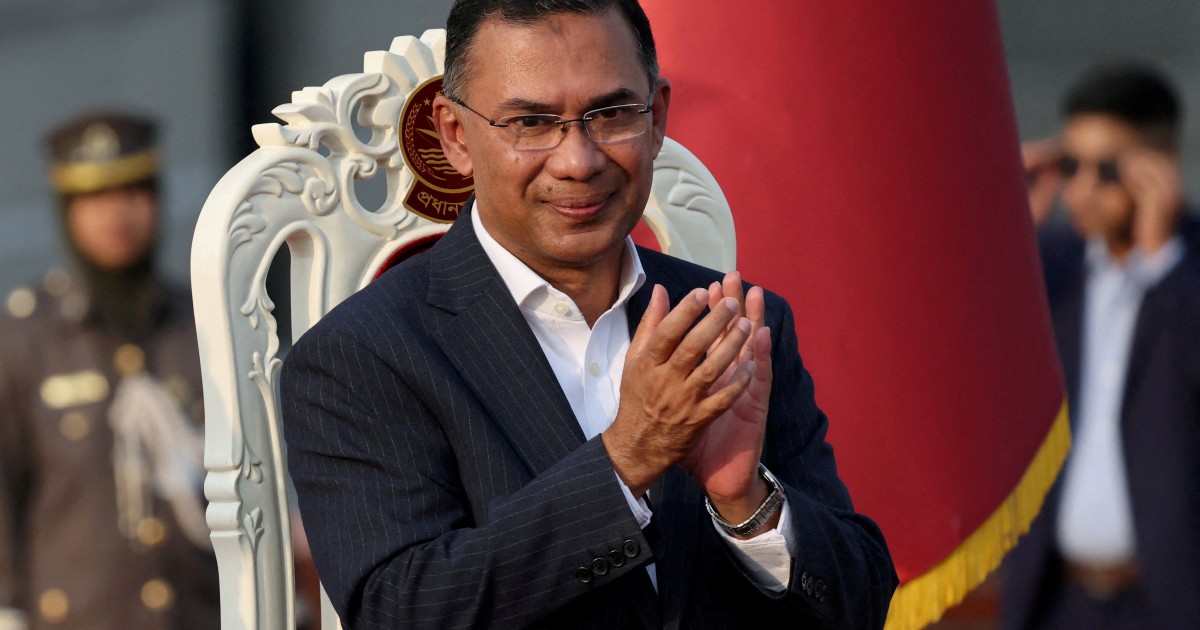
Bangladesh has set a significant political precondition for normalising high-level diplomatic engagements with India, announcing that Prime Minister Tarique Rahman will not make an official visit to New Delhi until the Indian government extradites Sheikh Hasina, the nation's former premier who escaped the country during the tumultuous 2024 uprising. The declaration, issued on Sunday, underscores the deep tensions roiling bilateral relations following the dramatic political transition that reshaped Bangladesh's governance landscape.
Sheikh Hasina's departure from Bangladesh occurred amid widespread civil unrest in 2024, when mass protests erupted against her administration, ultimately precipitating a change in power. The former prime minister, who had led the country through multiple terms, sought refuge across the border in India, a nation with which Bangladesh has historically maintained close political and economic ties. Her asylum in India has become a contentious issue, transforming what might have been a straightforward matter of regional politics into a symbol of the ideological fissures now defining the relationship between Dhaka and New Delhi.
The new Bangladeshi administration under Tarique Rahman has taken a firm stance on this matter, treating Hasina's return as a prerequisite for restored relations at the highest level. The refusal to permit a prime ministerial visit represents more than diplomatic protocol; it signals that Bangladesh's transitional leadership views the extradition question as fundamental to rebuilding trust and establishing the parameters of future engagement with India. Such a position carries substantial weight in South Asian diplomatic circles, where India has traditionally been the region's preeminent power and where high-level visits carry symbolic importance extending far beyond their immediate agenda.
The 2024 uprising that precipitated Hasina's flight was a pivotal moment in Bangladesh's recent history, reflecting accumulated grievances regarding governance, economic management, and political freedoms. The demonstrations galvanised broad segments of society and ultimately proved consequential enough to force a change in the country's leadership. The scale and intensity of the unrest suggested that significant portions of the Bangladeshi public had lost confidence in the previous administration's direction, setting the stage for the political recalibration now underway.
India's decision to provide shelter to Hasina placed New Delhi in a delicate position between strategic considerations and the expectations of Bangladesh's new authorities. While India has historically maintained close relationships with multiple political factions within Bangladesh, the arrival of a deposed leader on its territory during a period of dramatic transition created complications for bilateral relations that extend across trade, security cooperation, and broader regional stability. The Indian government's response to Dhaka's extradition demands will likely influence the trajectory of these critical relationships.
The extradition question sits at the intersection of legal, diplomatic, and political considerations. International extradition procedures involve complex legal frameworks, and nations typically guard their decisions on such matters carefully, weighing legal obligations against political relationships and their own national interests. India's handling of the Hasina situation will demonstrate how it balances these competing pressures and what priority it assigns to restoring smooth relations with its eastern neighbour.
For Malaysia and other Southeast Asian nations observing developments in Bangladesh, these tensions carry implications for regional stability and the functioning of South Asian institutions. Bangladesh's position within BIMSTEC and its broader engagements across South and Southeast Asia mean that prolonged tensions with India could create ripple effects across the region's diplomatic architecture. The handling of high-level bilateral disputes often sets precedents for how nations address similar issues, making the current standoff potentially instructive for regional observers.
Tarique Rahman's government, still consolidating its authority and establishing its policy directions, has signalled through this extradition condition that it intends to chart an independent course in foreign relations. By setting explicit preconditions for high-level engagement with India, the new administration demonstrates that it will not automatically defer to its neighbour's preferences, despite India's regional prominence. This assertion of agency may resonate with segments of Bangladeshi society that view such independence as long overdue.
The timing of this announcement, coming as it does while Bangladesh's transitional administration continues managing the complexities of political reorganisation, suggests that the extradition matter remains a significant internal political issue. Public sentiment regarding Hasina's return likely influences the government's resolve on this question, with substantial portions of the electorate possibly viewing her departure as justified by circumstances. The government's firm stance thus serves both diplomatic and domestic political purposes.
Looking forward, the resolution of the Hasina extradition question will substantially shape the future course of Bangladesh-India relations. Should India accede to extradition demands, it would signal deference to Bangladesh's new authorities and a willingness to reset the relationship on terms Dhaka finds acceptable. Conversely, if India maintains its current position, Bangladesh will need to determine whether other channels for diplomatic engagement remain viable or whether the impasse will persist indefinitely, creating a prolonged chill in ties between two nations whose geographical proximity and economic interdependence make extended estrangement costly for both.
The international community, including countries throughout Southeast Asia, will likely monitor how this dispute unfolds, as its resolution may establish important precedents for how nations handle asylum seekers and extradition requests involving political figures. The case thus extends beyond Bangladesh and India, touching on questions of international law, diplomatic practice, and the balance of power within South Asia more broadly.

