%22%2F%3E%3C%2Fpattern%3E%3C%2Fdefs%3E%3Crect%20width%3D%22100%25%22%20height%3D%22100%25%22%20fill%3D%22url(%23ph31b76g)%22%2F%3E%3Crect%20width%3D%22100%25%22%20height%3D%22100%25%22%20fill%3D%22url(%23ph31b76p)%22%2F%3E%3Ctext%20x%3D%2250%25%22%20y%3D%2250%25%22%20text-anchor%3D%22middle%22%20dominant-baseline%3D%22central%22%20fill%3D%22rgba(255%2C255%2C255%2C0.95)%22%20font-family%3D%22Georgia%2C%20'Times%20New%20Roman'%2C%20serif%22%20font-weight%3D%22700%22%20font-size%3D%22136%22%20letter-spacing%3D%22-0.02em%22%3EBangladesh%3C%2Ftext%3E%3C%2Fsvg%3E)
Bangladesh Prime Minister Tarique Rahman used his first bilateral foreign visit since taking office to signal renewed commitment to deepening the country's relationship with Malaysia, culminating in a series of formal agreements signed in Putrajaya on Monday. The visit underscores the strategic importance both nations place on their partnership amid shifting geopolitical dynamics in the Asia-Pacific region and evolving challenges across South Asia and the wider Indo-Pacific.
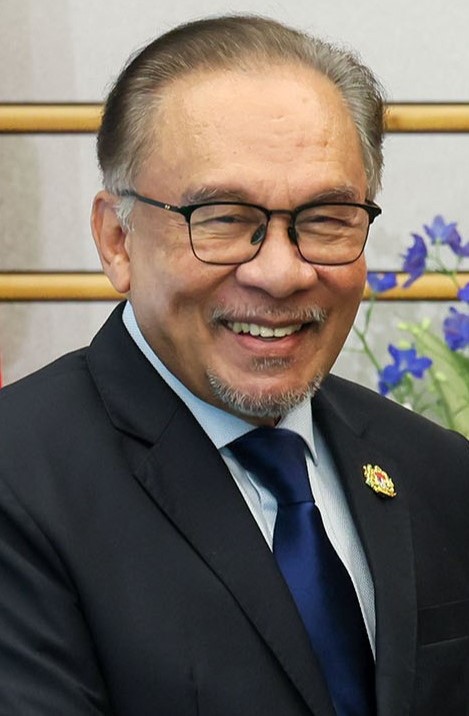
During joint remarks with Malaysian Prime Minister Datuk Seri Anwar Ibrahim, Rahman articulated a vision of expanded cooperation across multiple dimensions of bilateral engagement. The two leaders witnessed the signing of a Memorandum of Understanding focused on cultural cooperation, alongside two Exchanges of Notes addressing counter-terrorism research initiatives and frameworks to promote and facilitate cross-border investment. These instruments reflect a pragmatic approach to deepening people-to-people connections while tackling contemporary security threats that both nations face independently and in coordination with regional partners.
The emphasis on strengthening existing institutional channels reveals a deliberate strategy to build upon established foundations rather than create entirely new mechanisms. Rahman specifically highlighted the importance of the joint commission meeting structure and regular bilateral consultations between foreign ministers as vehicles for sustained dialogue. Such frameworks provide predictable avenues for addressing emerging issues and maintaining momentum on long-standing priorities without requiring the diplomatic machinery to reinvent itself with each change in leadership.
Rahman's gratitude towards Malaysia's support for Bangladesh's candidacy for the presidency of the 81st session of the United Nations General Assembly carries particular weight. This backing demonstrates Malaysia's willingness to leverage its diplomatic standing within multilateral forums to support a South Asian neighbour, a gesture that strengthens bilateral goodwill and positions both countries as constructive actors within the broader international system. The upcoming UNGA presidency would grant Bangladesh enhanced visibility and influence over the global agenda during a period of considerable international tension and uncertainty.
The two leaders engaged in substantive discussions concerning developments in West Asia, acknowledging shared concerns about regional stability and humanitarian consequences of ongoing conflicts. For Malaysia and Bangladesh, both nations with significant diaspora communities and strategic interests in the Middle East, coordinated positions on these issues carry material implications for their foreign policy objectives and domestic constituencies. The reaffirmation to work cooperatively within the United Nations and other international organisations signals alignment on principles of multilateralism and rules-based international order.
Economically, the bilateral relationship has matured into a substantial commercial partnership. During 2025, total bilateral trade reached RM12.18 billion, positioning Bangladesh as Malaysia's 28th largest trading partner globally and its second most important trading relationship within South Asia after India. Malaysia's export profile heavily reflects petroleum and energy products, totalling RM10.08 billion, while Bangladesh supplies RM2.10 billion in imports dominated by textiles, apparel and footwear. This complementary trade structure suggests natural comparative advantages that both economies continue to exploit.
The composition of bilateral trade reveals deeper structural characteristics of both economies. Malaysia's role as a major energy exporter to Bangladesh reflects the latter's growing industrial base and energy demands accompanying rapid economic development. Conversely, Bangladesh's dominance in textile and garment exports to Malaysia reflects the country's entrenched position within global supply chains for clothing and fashion goods. These patterns suggest limited duplication in production, creating a stable foundation for trade expansion without creating zero-sum competitive dynamics that might otherwise strain the relationship.
Rahman's visit marked a symbolic moment in Bangladesh's post-transition trajectory. Having assumed office in February 2026 following significant domestic political upheaval, the choice to conduct his first bilateral foreign visit to Malaysia rather than other traditional partners conveys deliberate signalling about regional priorities. The selection of Malaysia specifically, a fellow Muslim-majority nation with sophisticated democratic institutions and developed economy, projects an image of Bangladesh seeking stability and constructive regional engagement rather than ideological realignment or inward retreat.
From Malaysia's perspective, cultivating closer ties with Bangladesh addresses both economic opportunity and strategic hedge considerations. As Bangladesh's economy continues expanding and its middle class grows, opportunities abound for Malaysian investors, service providers and technology firms. Simultaneously, closer engagement with Bangladesh strengthens Malaysia's position within South Asia and provides additional channels to pursue shared interests in regional forums where India's predominance otherwise constrains smaller nations' influence. The bilateral relationship thus serves Malaysia's dual objectives of commercial expansion and strategic positioning.
The timing of Rahman's visit also reflects broader Southeast Asian interests in maintaining equilibrium across South Asia. Malaysia, as an ASEAN member with historical connections to South Asian nations, occupies a useful bridging position between the two regions. Supporting Bangladesh's stabilisation and integration into constructive regional partnerships serves ASEAN's collective interest in promoting stability across Asia and preventing South Asia's volatility from spilling into Southeast Asian waters through migration, security spillovers or geopolitical fragmentation.
Looking forward, both nations appear positioned to deepen cooperation across sectors likely to matter increasingly. Beyond traditional trade and diplomatic channels, potential areas for expanded collaboration include renewable energy technology transfer, digital economy development, higher education exchange and coordinated positions on maritime security and climate adaptation. Bangladesh's vulnerability to climate impacts and rising sea levels creates overlapping interests with Malaysia, a nation similarly exposed to environmental challenges and increasingly focused on sustainable development pathways.
The visit ultimately demonstrates that despite competing demands on national resources and attention, bilateral relationships across South Asia and Southeast Asia can progress through sustained leadership commitment and institutional discipline. Rahman's early decision to prioritise Malaysia signals that despite recent internal turbulence, Bangladesh remains committed to constructive regional engagement and economic partnership. For Malaysia, reciprocal investment in the relationship pays dividends both in commercial opportunity and in establishing cooperative frameworks likely to yield benefits across multiple domains as both nations navigate the complexities of twenty-first century regional dynamics.