Bangladesh's parliament is preparing to elect the country's next president on Thursday, with ruling party favourite Mirza Fakhrul Islam Alamgir widely expected to secure the largely ceremonial position in a vote scheduled for the afternoon. The 78-year-old senior figure in the Bangladesh Nationalist Party and current local government minister is anticipated to win the five-year post comfortably, becoming the 23rd president of a nation with 170 million inhabitants.
Alamgir expressed humility upon receiving the nomination, telling reporters that the honour came unexpectedly and represented the party's confidence in him. He stated his commitment to continuing public service even after assuming the presidency, reflecting a common pledge from incoming heads of state in South Asian democracies who wish to maintain credibility with their political base.
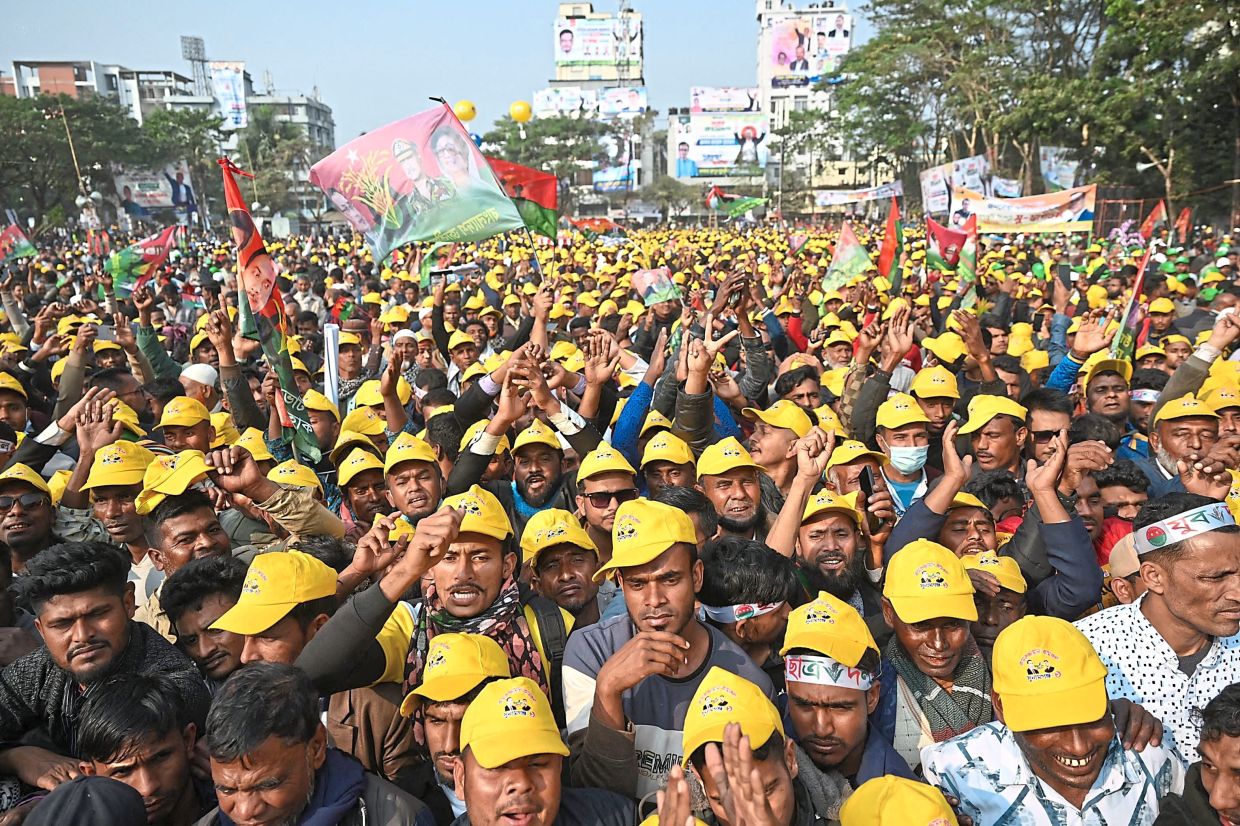
The presidential election arrives in the wake of significant political upheaval in Bangladesh. The BNP, led by Prime Minister Tarique Rahman, secured a landslide victory in February elections—the first democratic ballot held since the transformative 2024 revolution that toppled the government of Sheikh Hasina. That election result represented a decisive rejection of the previous administration and signalled public appetite for change after years of governance marked by allegations of systematic abuse.
The position of president became vacant following Mohammed Shahabuddin's resignation in July. The 76-year-old former president, a known ally of Hasina who had occupied the office since 2023, stepped aside citing health concerns and cutting short what would have been a term extending to 2028. His departure cleared the path for a new figurehead aligned with the incoming administration.
Hasina's tenure as prime minister had attracted sustained criticism from international human rights organizations, which documented what they characterized as systematic suppression of political opposition, judicial manipulation, extrajudicial killings, and the orchestration of fraudulent elections. Following her ouster, Hasina fled to India, where she has remained in hiding. In November, a Dhaka court found her guilty of crimes against humanity and imposed a death sentence in absentia, though she has refused to return to face trial.
Alamgir brings considerable experience to the presidency, having spent decades navigating Bangladesh's turbulent political landscape. Born on January 26, 1948, he studied economics at Dhaka University, where he emerged as a prominent student activist during the 1969 uprising against Pakistani military rule—a movement that foreshadowed the independence struggle that would culminate in 1971. This early political formation positioned him within the nationalist current that has long shaped Bangladeshi politics.
His career trajectory evolved through multiple roles in government and academia. Before entering full-time politics, he taught economics and held several ministerial positions overseeing agriculture, aviation, and tourism portfolios. However, his most consequential period came during Hasina's administration, when he assumed opposition leadership while BNP chair Khaleda Zia faced imprisonment and her son Rahman operated from exile. During this challenging period, he became instrumental in keeping the BNP operational and politically relevant despite government pressure.
Alamgir's resilience during Hasina's rule came at considerable personal cost. He was arrested multiple times on charges that his supporters maintain were politically fabricated, facing dozens of cases that reflected the weaponization of the legal system against opposition figures. These experiences have become part of his political identity, burnishing his credentials as someone who resisted authoritarian governance.
The election contest will pit Alamgir against Oli Ahmed, the sole opposition candidate nominated by an 11-party coalition led by Jamaat-e-Islami. However, given the BNP's commanding parliamentary majority and its recent electoral triumph, Alamgir faces minimal realistic competition. The voting process will commence around 2pm local time, with the outcome largely predetermined by arithmetic in the parliament.
Personally, Alamgir is married to Rahat Ara Begum, a retired financial official, and they have two daughters. His elevation to the presidency represents recognition of his decades-long service within the BNP and his role maintaining party coherence during periods when the organization faced government persecution. The largely ceremonial nature of the Bangladesh presidency means his influence will remain concentrated within the BNP organizational structure and potentially as an elder statesman advising the Prime Minister.
For Malaysia and the broader Southeast Asian region, Bangladesh's political transition carries relevance as a reminder of how electoral competition in developing democracies can serve as a mechanism for accountability, even within imperfect systems. The dramatic reversal from Hasina's tenure to the BNP's governance offers lessons about the limits of authoritarian rule and the enduring power of electoral processes, albeit ones that merit careful international monitoring to ensure democratic consolidation proceeds genuinely.

