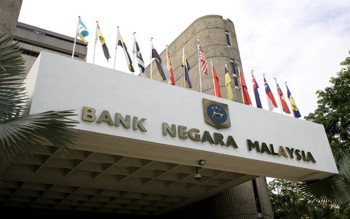
Bank Negara Malaysia had raised the alarm on five separate occasions about Tabung Haji's deteriorating financial standing, specifically concerning a growing gap between the Islamic pilgrimage fund's assets and liabilities, according to Minister in the Prime Minister's Department (Religious Affairs) Dr Zulkifli Hasan. Speaking during a parliamentary briefing on the Royal Commission of Inquiry findings into the institution, Zulkifli disclosed that these repeated warnings to TH's chairman and the Minister of Religious Affairs went unheeded by the fund's management, despite escalating concerns about the organisation's compliance with financial regulations.
The repeated interventions by the central bank underscored the seriousness with which regulators viewed TH's situation at the time. Zulkifli emphasized that the fund's financial distress represented more than an isolated institutional problem—it posed what authorities characterised as a potential systemic risk to Malaysia's broader financial stability. This framing suggested that the collapse or severe deterioration of Tabung Haji could have had cascading effects across the banking and financial services sector, particularly given the fund's prominence in Malaysian society and the scale of assets it manages on behalf of millions of pilgrims.
The warnings from Bank Negara were not the only red flags raised by regulators. The Auditor-General similarly flagged concerns in the 2017 Financial Statements Report, issuing what is known as an Emphasis of Matter regarding TH's impairment policy. Crucially, the Auditor-General found that the fund had altered this policy twice within the same year, a pattern that appeared designed to inflate reported profits for 2017. Such accounting adjustments raised questions about the reliability of TH's financial disclosures and suggested systematic efforts to mask underlying problems rather than address them directly.
It was not until 2018, after mounting regulatory criticism and the appointment of a new board, that TH engaged PricewaterhouseCoopers to conduct an independent reassessment of its financial condition. This external audit represented a turning point in exposing the true extent of the fund's difficulties. PwC's investigation confirmed that financial manipulation had indeed occurred within TH's accounting practices. The audit firm discovered a shocking disparity in asset valuation: of TH's stated total assets of RM4.6 billion, only RM556 million had been valued by professional valuers, meaning roughly 88 per cent of reported assets lacked credible independent valuation.
This revelation laid bare years of questionable financial management and suggested that TH's true net worth was substantially lower than what the fund had been reporting to policymakers, regulators, and the Malaysian public. The gap between audited and unaudited valuations implied either negligence in asset management or deliberate misrepresentation of the fund's financial health. For Malaysian Muslims saving specifically for the hajj pilgrimage, the findings raised serious concerns about whether their contributions were being properly safeguarded and invested.
The government subsequently established a Royal Commission of Inquiry to investigate TH's operations, formally appointing members on January 20, 2022. The resulting 211-page report, released publicly on July 29, documented systemic weaknesses in the institution's governance, management practices, and operational oversight during the 2014-2020 period—a critical six-year window that encompassed the period when many of the financial irregularities occurred. The RCI's comprehensive examination provided the most detailed accounting to date of how TH's institutional safeguards had failed.
Beyond identifying problems, the RCI proposed 25 specific recommendations intended to restore the fund to financial health and strengthen its governance framework. The recommendations addressed various aspects of TH's operations, from financial controls to management accountability. By July 30, TH's management reported that 75 per cent of these recommendations had already been implemented, suggesting an effort to move swiftly on institutional reform. However, the relatively high implementation rate also raised questions about whether some recommendations had been adopted superficially or whether deeper cultural and structural changes within the organisation were taking root.
The entire episode represents a significant failure of institutional accountability within one of Malaysia's most important Islamic financial institutions. That Bank Negara issued five separate warnings only to have them disregarded reflects a governance vacuum where normal regulatory channels proved insufficient to compel action. The fact that external auditors eventually had to be brought in to validate what regulators already suspected indicates systemic weaknesses in how TH's board and senior management responded to regulatory pressure.
For Malaysian pilgrims and their families, the implications are substantial. Tabung Haji manages funds collected from millions of Muslims saving for hajj, and any mismanagement directly affects the ability of these savers to complete one of Islam's five pillars. Beyond the individual impact, the institutional crisis highlighted vulnerabilities in how Malaysia's Islamic financial institutions are overseen and how effectively regulatory agencies can enforce compliance when faced with uncooperative institutional leadership.
Looking forward, the successful implementation of the RCI's recommendations will be crucial in determining whether TH can restore public confidence and financial stability. The fund's recovery is not merely a matter of accounting adjustments or governance procedures—it requires rebuilding trust with the millions of Malaysians who depend on TH to safeguard their most sacred savings.

