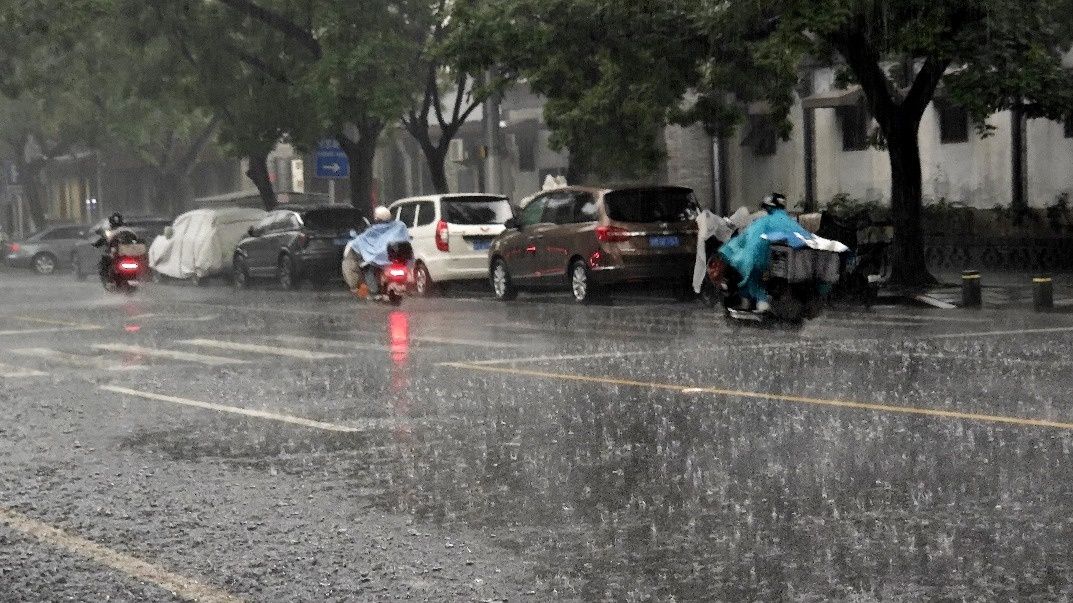
The Beijing meteorological observatory triggered an orange-level rainstorm alert on Thursday afternoon, marking the inaugural such warning for the city's 2026 flood season. This action, announced at 1.30 pm, prompted authorities to simultaneously elevate the city's flood control response to Level-II emergency status. The dual activation reflects official concern about atmospheric conditions developing across the capital region and underscores the gravity with which municipal administrators view the approaching weather system.
Weather forecasters anticipate a sustained period of intense precipitation commencing Friday afternoon and persisting through early Sunday morning. The rainfall is not expected to be distributed uniformly across Beijing's urban and surrounding areas. Instead, meteorological projections identify several districts—specifically Huairou, Miyun, Pinggu, Shunyi and Fangshan—as bearing particular vulnerability to the heaviest downpours. These regions, which include mountainous terrain and lower-elevation localities, face cumulative rainfall potentially exceeding 150 millimetres over the 36-hour period. In certain localized areas, the precipitation intensity could spike to more than 70 millimetres per hour, creating conditions conducive to flash flooding and rapid surface water accumulation.
The alert framework emphasizes the specific hazards posed by topography and urbanization patterns. Mountainous and hilly territories face elevated meteorological risk from intense precipitation, landslides and debris flows. Concurrently, low-lying urban zones and areas featuring inadequate drainage infrastructure confront substantial waterlogging risks. The alert explicitly cautions residents about these interconnected dangers, urging protective measures for vulnerable populations and critical infrastructure across the affected zone.
Public health and safety directives issued alongside the alert carry significant implications for daily life across the city. Residents have been instructed to minimize outdoor activities and maintain constant vigilance regarding updated weather bulletins and official guidance. Transportation authorities are encouraging residents to rely upon public transit systems rather than private vehicles, a measure intended both to reduce congestion during evacuation efforts and to concentrate population movement through monitored channels. This recommendation reflects lessons learned from previous flooding events when uncoordinated individual movement exacerbated traffic disruptions and hindered emergency response operations.
The employment sector faces prescribed operational adjustments to accommodate the severe weather window. Enterprises and public institutions throughout Beijing have been advised to implement flexible work schedules or stagger employee commuting times, effectively reducing peak-hour transportation burdens and allowing individuals greater flexibility in timing their movements. These arrangements acknowledge that some workers may face extended travel times due to weather-related disruptions, while simultaneously dispersing demand on transportation networks over extended periods.
Educational institutions operating throughout Beijing have been directed to suspend classes, in-person training programs and field-based teaching activities. The exact timing and scope of these suspensions remain conditional upon real-time weather observations, granting school administrators discretion to modify schedules based on local precipitation patterns and localized flood risks. This approach reflects official recognition that educational continuity must be balanced against student and staff safety.
Recreational and commercial activities face comprehensive restrictions throughout the alert period. The public has been explicitly warned against visiting scenic attractions featuring mountains, waterways or geological hazard zones. Underground commercial facilities—including shopping centres, pedestrian tunnels and basement-level venues—have been identified as particularly dangerous during flood events, leading authorities to discourage patronage of such establishments. The advisory against proximity to rivers and water channels acknowledges the rapid discharge potential during intense precipitation events.
Operational and construction activities across the municipality face suspension orders. All outdoor work, manufacturing operations and building activities must cease during the alert period, eliminating potential safety hazards to workers and preventing damage to partially completed infrastructure. This blanket prohibition reflects experience from previous weather emergencies where ongoing construction activity complicated rescue operations and created additional risks for personnel stranded in exposed locations.
China's standardized weather warning framework consists of four progressive severity levels, with red representing maximum threat severity followed by orange, yellow and blue in descending order of concern. By activating an orange-level alert, Beijing authorities are signalling conditions carrying substantial risk to public safety and infrastructure integrity. The simultaneous elevation of flood control protocols to Level-II status demonstrates integrated coordination between meteorological and emergency management agencies, ensuring that weather forecasts directly trigger proportionate response measures. This systematic approach has developed through multiple flood cycles and represents institutional learning regarding appropriate escalation thresholds and resource allocation during extreme weather events. For residents and businesses throughout Beijing, the alert represents not merely weather information but an actionable directive framework that should fundamentally alter behaviour and operational decisions throughout the anticipated 36-hour weather window.

