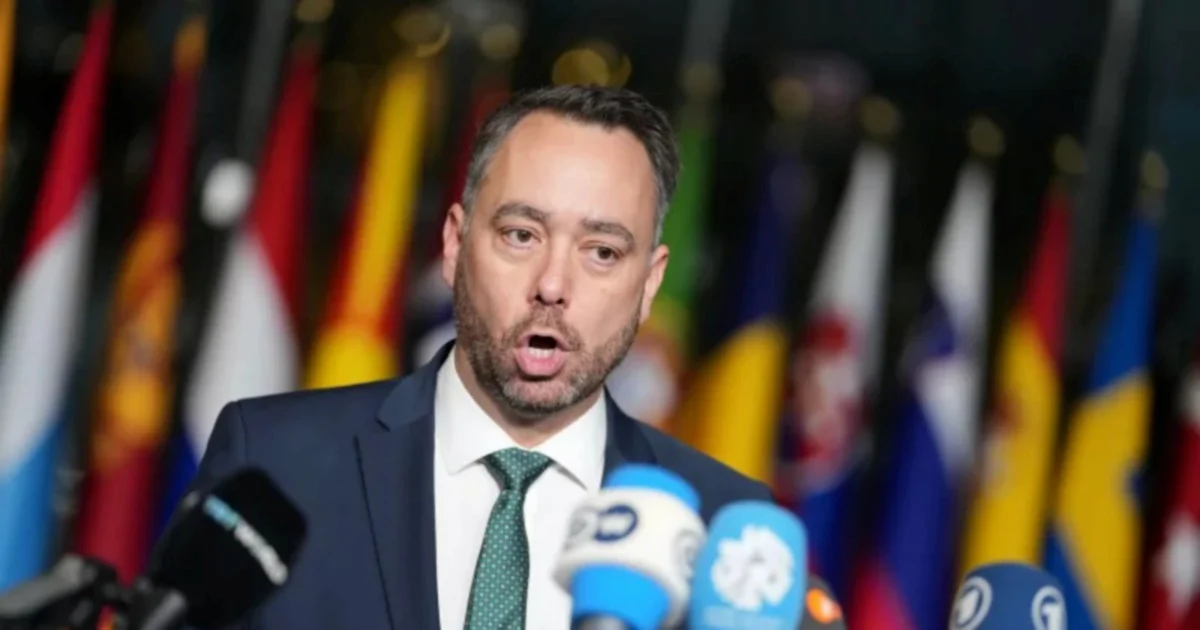
Belgium's Deputy Prime Minister and Foreign Minister Maxime Prevot arrives in Malaysia this week for a working visit that underscores a growing alignment between the European Union and Southeast Asia on energy transition and emerging technologies. The two-day engagement represents an important diplomatic moment as both regions navigate the complexities of decarbonisation while securing critical supply chains for the technologies that will power the global economy.
The visit places renewable energy at the forefront of bilateral discussion, reflecting Malaysia's strategic importance as a manufacturing hub and energy consumer in one of the world's fastest-growing regions. Europe has been accelerating its renewable capacity and green hydrogen development as part of its climate commitments, while Malaysia is increasingly positioning itself as a production centre for solar panels, battery components, and other clean energy infrastructure. The discussions will likely explore how Belgian expertise in renewable technology, policy frameworks, and investment mechanisms can support Malaysia's own energy transition targets.
Rare earth elements represent another critical focus area for this diplomatic engagement. These minerals are essential for wind turbines, electric vehicle motors, and renewable energy systems, making their processing and supply chain security central to any serious decarbonisation agenda. Malaysia currently plays a role in rare earth processing, though the sector faces environmental and regulatory challenges. Belgium's technological capabilities and European Union standards for sustainable sourcing could open pathways for Malaysian companies to upgrade their operations and access European markets under stricter environmental criteria. This alignment is particularly relevant as Malaysia seeks to balance industrial development with environmental protection.
The halal industry component of these talks reveals Malaysia's broader economic ambitions beyond energy and minerals. As a global leader in halal certification and production, Malaysia has positioned itself at the intersection of Islamic finance, consumer goods, and increasingly, sustainable practices. European demand for halal products has grown significantly, particularly among Muslim communities and consumers seeking ethical sourcing standards. Belgium, as part of the European Union, represents a gateway to broader European markets for Malaysian halal manufacturers and service providers. The diplomatic visit provides an opportunity to strengthen recognition of Malaysian halal standards internationally and discuss potential cooperation frameworks.
This Belgian initiative reflects a wider European strategy to deepen engagement with Southeast Asia beyond traditional trade relationships. As geopolitical competition intensifies and supply chain vulnerabilities become apparent, European nations are seeking stable partnerships with reliable Southeast Asian counterparts. Malaysia, with its strategic location, developed infrastructure, and relatively stable governance, makes an attractive partner for European nations pursuing diversification away from traditional partners.
For Malaysia, the visit carries implications for attracting European investment and technology transfer in critical sectors. The renewable energy sector in particular could benefit from European capital and expertise, as Malaysia works to increase the proportion of electricity generated from solar and other renewable sources. The discussions may also facilitate partnerships between Malaysian and Belgian research institutions, potentially accelerating innovation in green technologies adapted for tropical climates and developing market contexts.
The focus on rare earth elements and sustainable processing also addresses a growing international concern about supply chain resilience. Many countries have recognised their vulnerability to disruptions in critical mineral supplies, particularly from regions with geopolitical tensions. Developing processing capabilities in Southeast Asia, with international partnership and environmental oversight, could create more stable and diversified supply chains for European manufacturers and countries pursuing energy independence.
Moreover, this visit demonstrates Malaysia's efforts to position itself as a technology partner rather than merely a resource supplier. By hosting discussions on value-added sectors like renewable energy manufacturing and rare earth processing, Malaysia signals its ambition to climb the value chain and develop high-skilled industries. This aligns with the country's Vision 2050 development agenda and efforts to reduce dependence on commodity exports.
The timing of Prevot's visit is also significant given the European Union's increasingly pro-active approach to Indo-Pacific affairs. As European nations grapple with their strategic autonomy and seek to balance great power competition, they are investing diplomatic capital in relationships with Southeast Asian countries. Belgium's engagement through its Deputy Prime Minister and Foreign Minister level demonstrates serious commitment rather than routine protocol.
For broader Southeast Asian observers, this Belgian initiative signals that European interest in the region extends beyond geopolitical balancing acts. Real economic cooperation in critical technologies is now attracting high-level diplomatic attention. Malaysia's role as a potential bridge between European technology and Asian manufacturing capacity positions it well to benefit from these emerging partnerships, though execution will depend on the concrete outcomes from these discussions and the follow-up mechanisms established during the visit.

