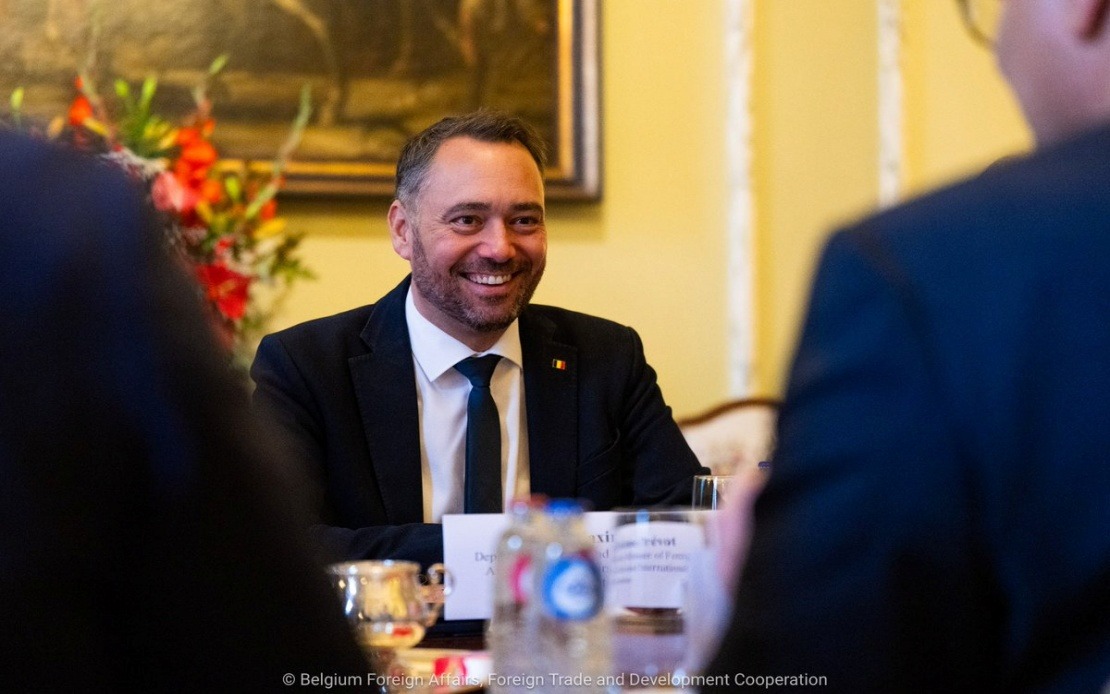
Belgium's Deputy Prime Minister and Foreign, European Affairs and Development Cooperation Minister Maxime Prévot is arriving in Malaysia for a two-day official visit beginning Thursday, signalling strengthening ties between the two nations across multiple strategic sectors. The visit, confirmed by Malaysia's Foreign Ministry on Wednesday, represents Prévot's inaugural trip to the country since taking office in February 2025 and underscores Belgium's growing interest in deepening bilateral engagement beyond traditional trade relationships.
The centrepiece of Prévot's itinerary will be a bilateral meeting with Malaysian Deputy Prime Minister Datuk Seri Fadillah Yusof on July 2. Fadillah, who also holds the portfolio of Energy Transition and Water Transformation Minister, brings particular relevance to discussions on clean energy given his responsibility for Malaysia's renewable energy agenda. During their meeting, both delegations will assess the current trajectory of Malaysia-Belgium relations while identifying fresh opportunities for collaboration in three key areas: renewable energy, rare earth elements, and halal industry development. The comprehensive nature of these discussions reflects a pivot away from commodity-focused engagement towards technology and innovation-driven partnerships.
Renewable energy cooperation carries particular significance for Malaysia as the nation charts its transition away from conventional energy sources. Belgium, as a developed European economy with substantial expertise in wind, solar, and hydrogen technologies, offers valuable knowledge transfer potential. For Belgian companies, Malaysia represents a significant market in Southeast Asia with favourable conditions for investment in clean energy infrastructure. The rare earth elements sector also holds strategic importance, as these materials are critical for renewable energy applications, including wind turbines and solar panels. Malaysia's established rare earth mining and processing capabilities complement European demand for sustainable sourcing of these resources.
The halal industry dimension of these talks reflects Malaysia's position as a global halal hub and Belgium's emerging interest in participating in this rapidly expanding market. As Southeast Asia's Muslim-majority economy with internationally recognised halal certification standards, Malaysia can leverage this soft power advantage while European companies seek footholds in the halal sector. This represents a unique avenue for economic cooperation that extends beyond traditional industrial sectors.
Beyond bilateral matters, Prévot's visit will address the broader Malaysia-European Union relationship during his talks with Malaysian officials. This provides an opportunity to discuss how enhanced bilateral cooperation between Malaysia and Belgium might serve as a foundation for deeper Malaysia-EU engagement across Southeast Asia. Current geopolitical and economic developments affecting both regions will also feature in conversations, ensuring dialogue encompasses shared concerns and mutual interests.
The Belgian diplomat's schedule includes a ministerial address at the 39th Asia-Pacific Roundtable, an annual conference organised by the Institute of Strategic and International Studies (ISIS) Malaysia that draws policymakers, academics, and strategic thinkers from across the Indo-Pacific region. This platform allows Prévot to articulate Belgium's strategic vision for Asia-Pacific engagement and contributes to broader European dialogue with the region. Additionally, Prévot is scheduled to meet with the Sultan of Perak, Sultan Nazrin Muizzuddin Shah, reflecting protocol observances and highlighting the visit's formal importance.
The economic foundation underpinning these discussions is substantial. Malaysia-Belgium bilateral trade reached RM9.74 billion in 2025, with Malaysian exports accounting for RM6.85 billion and imports totalling RM2.89 billion. This trade volume demonstrates the relationship's commercial vitality, though the figures also reveal Malaysia's significant export surplus, suggesting opportunities for Belgium to expand its market presence in Malaysia. The imbalance presents openings for Belgian companies, particularly in higher-value-added sectors like renewable energy technology and advanced manufacturing.
Investment flows further underscore the relationship's depth. As of 2025, 67 projects with Belgian participation have received approval in Malaysia, representing combined investments of RM5.1 billion and anticipated job creation of 4,605 positions. These figures indicate Belgium's confidence in Malaysia's investment climate and labour market. Beyond employment generation, these projects contribute technology transfer, skills development, and sectoral advancement across the Malaysian economy. The focus on renewable energy cooperation during Prévot's visit suggests new investment proposals may be in the pipeline, particularly as both nations accelerate their energy transition commitments.
For Malaysian policymakers, this visit arrives at a critical juncture in the country's energy transition. Malaysia has set ambitious targets for renewable energy deployment and green hydrogen development. Access to Belgian expertise and technology can accelerate these objectives while attracting European investment capital. Conversely, Belgium benefits from Malaysia's manufacturing capabilities and resource base, creating a mutually advantageous partnership. The emphasis on rare earth elements reflects global recognition that sustainable energy transitions depend on secure supply chains for critical minerals—an area where Malaysia holds significant advantages.
The visit also carries symbolic significance for Malaysia-European relations more broadly. As European governments intensify their engagement with Southeast Asia, bilateral visits by senior ministers signal Europe's commitment to the region. Belgium's diplomatic emphasis on renewable energy and sustainable development aligns with Malaysia's own policy directions, creating natural convergence points. The halal industry focus additionally demonstrates European recognition of Malaysia's unique position in Muslim markets and Malaysia's potential as a gateway to Islamic finance and commerce opportunities.
Looking ahead, successful outcomes from Prévot's visit could establish a template for deepening Malaysia-Belgium cooperation across multiple dimensions. Enhanced collaboration in renewable energy could position Belgium as a preferred technology partner during Malaysia's energy transition. Rare earth elements cooperation might lead to long-term supply agreements or joint development projects. The halal sector engagement could open European markets to Malaysian halal products and services. Collectively, these initiatives demonstrate how bilateral relationships between nations of differing sizes and regions can create substantial mutual benefit when priorities align effectively.
The timing of this visit underscores the urgency both nations attach to accelerating cooperation on energy and sustainability. As global climate commitments intensify and supply chain vulnerabilities become apparent, Malaysia and Belgium share interests in building resilient, sustainable economic partnerships. Prévot's first visit since assuming office signals Belgium's commitment to this agenda and offers Malaysian officials an opportunity to consolidate gains and establish new collaborative frameworks that will likely influence the relationship for years to come.

