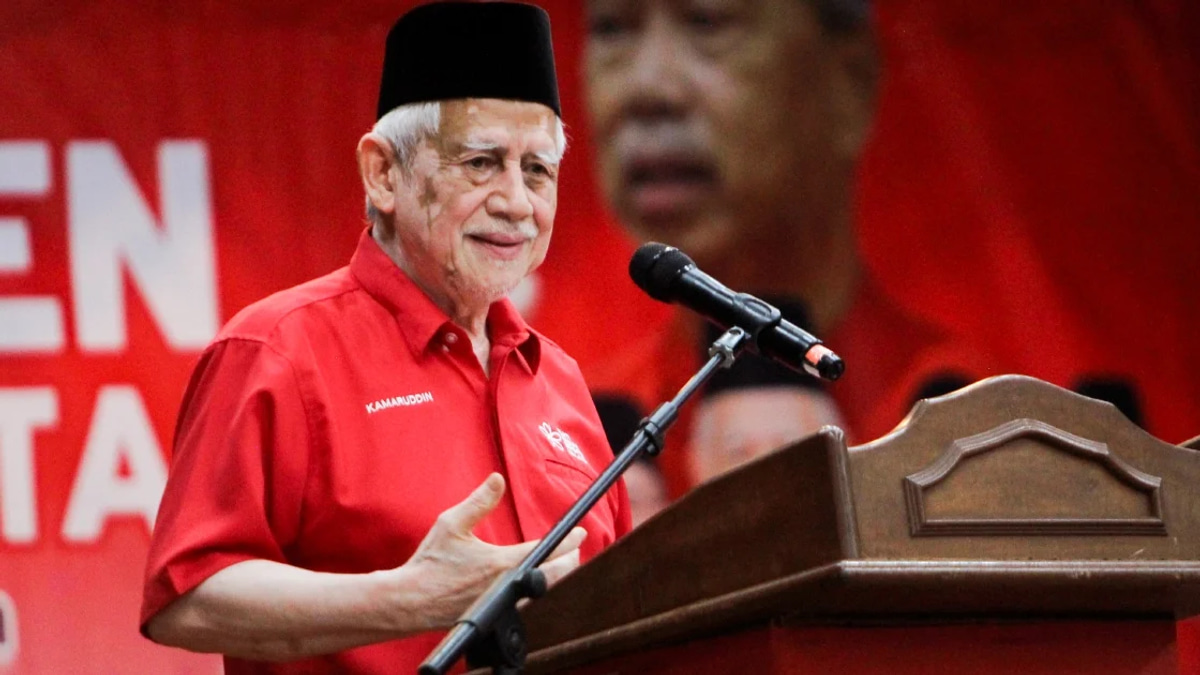
Parti Pribumi Bersatu Malaysia has made its political intentions clear by formally committing to remain within Perikatan Nasional ahead of upcoming state elections in two major Malaysian jurisdictions. The decision, announced by party president Tan Sri Muhyiddin Yassin, signals the coalition's continued cohesion despite earlier speculation about internal fractures and defections that have periodically strained the partnership between its constituent parties.
Bersatu's decision to contest both the Johor and Negri Sembilan elections under the PN coalition logo represents a strategic consolidation of forces within the broader opposition movement. Rather than fielding candidates independently under its own party symbol, Bersatu will integrate its electoral efforts with other PN members, a move that underscores the coalition's intention to present a unified front to voters across these two strategically important states. This approach differs markedly from electoral strategies pursued in previous cycles, where component parties sometimes emphasised individual party identities over coalition solidarity.
The choice carries particular significance given Johor's political weight in national affairs. As Malaysia's largest state by population after Selangor and the homeland of the Johor royal family, electoral performance in Johor often influences broader political calculations at the federal level. A coordinated PN campaign in the state could reshape the political landscape and demonstrate the coalition's capacity to mobilise voters in a traditional stronghold where Barisan Nasional has long held considerable sway. Success in Johor would strengthen PN's negotiating position in any future federal-level political arrangements.
Negri Sembilan, though smaller in electoral terms, occupies a unique geographical and strategic position. Neighbouring Selangor to the north and positioned between the federal territories and the southern corridor, the state has become increasingly competitive in recent elections. PN's coordinated approach in Negri Sembilan suggests the coalition recognises opportunities to expand its political footprint in a state where demographic changes and evolving voter preferences have made previous assumptions about electoral outcomes less reliable. The state's economy, heavily dependent on services and light manufacturing, means issues around cost of living and employment resonate strongly with voters.
Bersatu's reaffirmation of loyalty to PN comes at a time when the coalition has faced challenges in maintaining party discipline and preventing members from crossing over to rival camps. The informal structure of PN, which lacks the hierarchical control mechanisms of traditional Malaysian political organisations, has sometimes created friction as parties pursue divergent interests. By making this public commitment, Muhyiddin appears intent on forestalling any suggestion of weakness or indecision within the coalition ahead of what could be pivotal elections for PN's political future.
The use of a shared coalition logo rather than individual party symbols carries symbolic weight beyond mere electoral mechanics. It signals to voters that PN members are prepared to subsume individual party identities in pursuit of collective victory, a message designed to counter opposition portrayals of the coalition as fragmented or unstable. This approach also facilitates resource-sharing and strategic coordination between parties, allowing more efficient deployment of campaign machinery and avoiding wasteful competition between PN components that might undermine the overall opposition challenge to the incumbent Barisan Nasional.
For Malaysian political observers, Bersatu's statement offers insights into how PN intends to position itself heading into these state contests and, by extension, toward eventual federal elections. The party's consistency in messaging and apparent stability contrasts with earlier periods when party fortunes seemed more precarious. Since its formation and subsequent evolution, Bersatu has struggled with questions about its core purpose and constituency, but the current leadership appears focused on establishing itself as a reliable coalition partner with genuine electoral appeal.
The timing of this announcement reflects practical electoral schedules and regulatory requirements. Malaysian electoral commissions typically require advance notice of campaign structures and coalition arrangements, and early clarity about party positioning helps candidates, supporters, and party machinery prepare adequately. For voters in these two states, the message indicates that PN intends to mount a serious, organised challenge rather than a token opposition presence.
Regional implications also merit consideration. Southeast Asian politics increasingly involves coalition-building and electoral cooperation between diverse parties sharing broad ideological or pragmatic interests. PN's experience in maintaining coalition discipline while pursuing individual party agendas offers lessons relevant to other regional political formations. The success or failure of such efforts in Johor and Negri Sembilan will likely influence discussions about coalition viability elsewhere in the region.
Muhyiddin's leadership will face scrutiny based on whether this coalition unity translates into actual electoral success. The distinction between formal commitments and sustained cooperation throughout demanding campaigns remains historically significant in Malaysian politics. Parties have historically made similar pledges only to see friction emerge during candidacy selection processes or in the heat of campaigning. The coming months will test whether PN's current apparent solidarity proves durable when confronted with the practical challenges of competitive electoral politics and the inevitable disagreements over seat allocation and campaign resources.