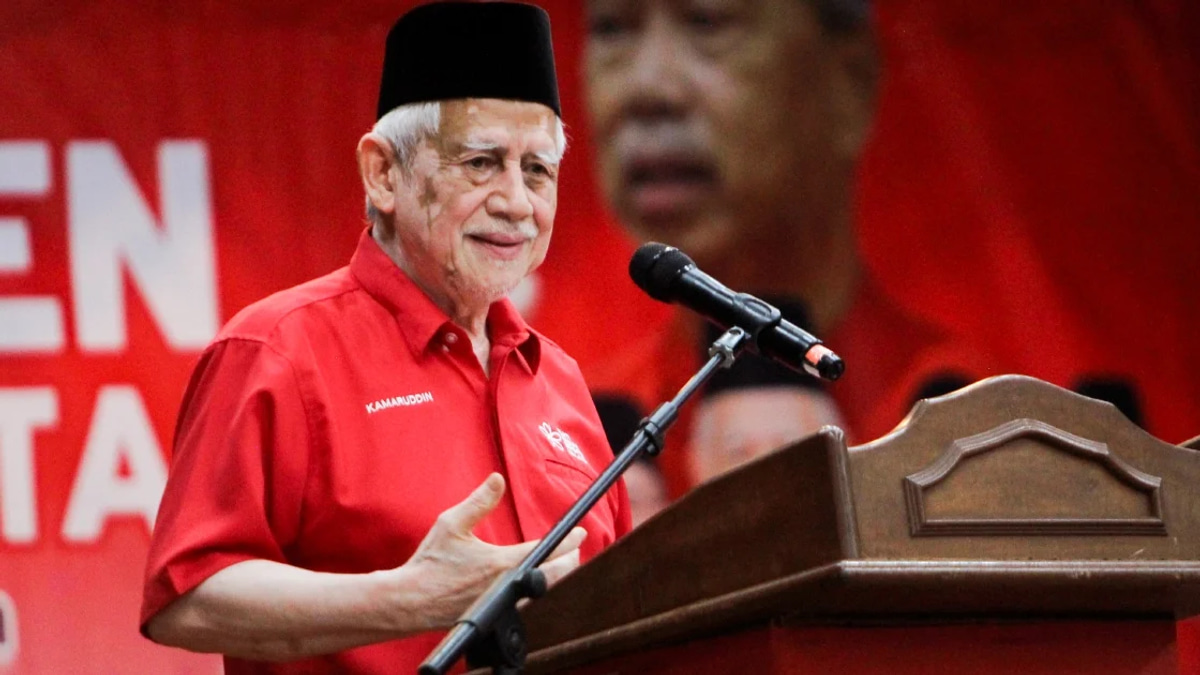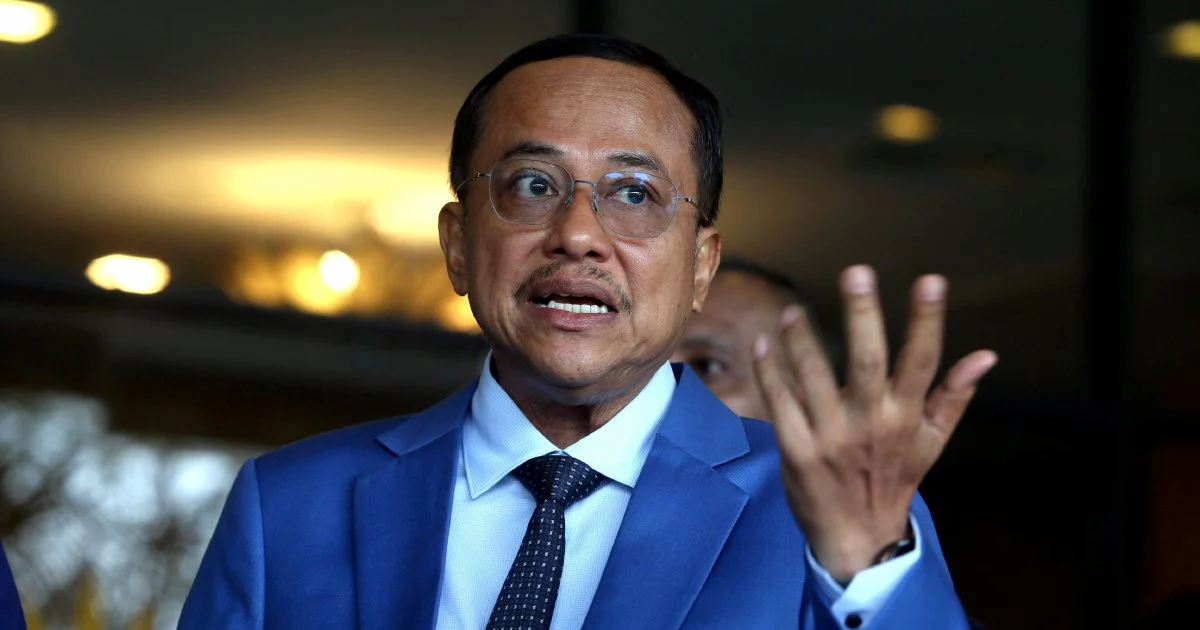
Bersatu's information chief Datuk Tun Faisal Ismail Aziz has levelled serious accusations against Perikatan Nasional (PN) chairman Datuk Seri Dr Ahmad Samsuri Mokhtar, contending that the coalition leader has neglected his fundamental obligations at a critical juncture for the opposition alliance. The rare public rebuke from within PN's own ranks signals deepening fractures within the coalition, which has positioned itself as a counterweight to the current federal government.
Faisal's censure centres on what he characterises as a troubling confusion of roles within the PN structure. He contends that Samsuri appears to have conflated his position as PN chairman with his standing as a Pas figure, effectively sidelining his duties to the broader coalition apparatus. This distinction matters considerably in Malaysian coalition politics, where the chairman's role demands impartiality and attention to the collective interests of all member parties rather than sectional loyalty to one constituent party.
The timing of Bersatu's public criticism is significant, arriving amid what appears to be an ongoing institutional crisis affecting PN's operational coherence. While the specific triggering incident remains unclear from the immediate context, the willingness of a major coalition component to publicly denounce its own leadership suggests the underlying tensions have escalated beyond private discussions. Bersatu, led by Muhyiddin Yassin, has emerged as an increasingly assertive voice within the opposition alliance, particularly as it seeks to establish distinct political identity separate from Pas's religious-centric positioning.
The accusation of irresponsibility carries particular weight given the delicate balance required to maintain coalition unity in Malaysia's fractious opposition landscape. PN was formed in 2020 as an alternative political vehicle, drawing together Bersatu, Pas, Gerakan, and other smaller parties in an effort to present a consolidated opposition platform. However, the coalition's cohesion has repeatedly been tested by ideological differences, particularly between Bersatu's multiethnic base and Pas's Islamic focus, as well as by individual politicians' ambitions and competition for influence.
Faisal's comments suggest that Samsuri's stewardship is perceived as inadequate by at least significant sections within PN, raising questions about the chairman's capacity to mediate between member parties' competing interests and maintain the coalition's institutional integrity. In Malaysian political culture, where coalitions frequently splinter due to personality clashes and strategic miscalculations, leadership that fails to command confidence from constituent parties becomes increasingly vulnerable to challenge and institutional paralysis.
The specifics of how Samsuri has allegedly prioritised Pas interests over broader PN concerns would likely centre on decision-making processes within the coalition's highest councils. Coalition chairmen traditionally hold responsibility for setting agendas, adjudicating disputes between member parties, and ensuring that policies reflect some degree of consensus rather than unilateral impositions by the largest or most assertive component. If Samsuri has been perceived as allowing Pas effectively to dictate coalition positions without adequate input or negotiation, this would constitute a fundamental dereliction of his constitutional role.
For Malaysian observers of opposition politics, this internal PN conflict carries implications extending beyond factional posturing. The opposition coalition's capacity to function effectively as a united force depends substantially on institutional trust and perception of equitable treatment among member parties. When the coalition's leadership structure becomes questioned from within, it inevitably diminishes the alliance's capacity to mount coordinated political challenges to the government and weakens its electoral viability in forthcoming contests.
Bersatu's intervention also reflects its own strategic positioning within Malaysian politics. The party has sought to position itself as a moderate alternative, capable of working across ethnic and religious lines, thereby distinguishing itself from Pas's more explicitly Islam-focused agenda. By criticising Samsuri for allowing Pas interests to dominate, Bersatu simultaneously reinforces its own brand while staking claim to greater influence within PN's decision-making hierarchy.
The broader significance of this intra-coalition friction extends to Southeast Asian opposition dynamics more generally. In numerous regional democracies, opposition coalitions struggle with sustainability, often fragmenting when internal tensions outweigh shared interest in challenging incumbents. Malaysia's experience with PN's internal management therefore offers instructive lessons about the structural and leadership challenges that limit opposition unity in competitive but not fully consolidated democracies.
The extent to which this public criticism will precipitate institutional consequences remains uncertain. Coalition politics in Malaysia sometimes produces dramatic confrontations followed by apparent reconciliation, while on other occasions public disputes signal the beginning of organisational breakdown. Whether Faisal's intervention represents a calculated political manoeuvre designed to rebalance power within PN, or reflects genuine exasperation with Samsuri's performance, will become clearer through subsequent developments and whether other PN figures publicly align with Bersatu's position or defend the chairman's stewardship.