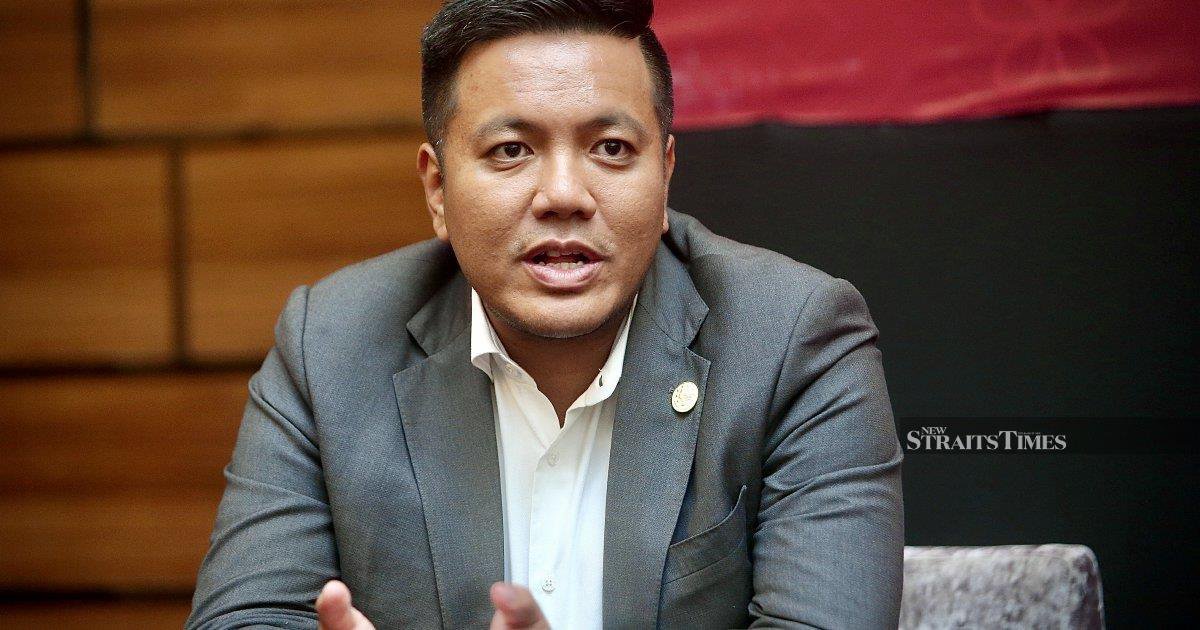
The political party Bersatu has intensified scrutiny of governance at Tabung Haji by publicly demanding that Datuk Seri Abdul Azeez Abdul Rahim, who previously led the institution, come forward with details about his interactions with the Malaysian Anti-Corruption Commission. The call reflects growing pressure on former decision-makers at the Islamic savings and investment body, which has faced mounting criticism over management and financial practices that prompted a full investigation by royal commission.
The push from Bersatu appears tied to findings that emerged from the Royal Commission of Inquiry established to examine Tabung Haji's operations and governance structure. Rather than allowing the matter to rest with investigative bodies, the party has chosen to escalate public discourse, suggesting the inquiry's conclusions may have triggered wider political interest in accountability mechanisms. This move signals that the Tabung Haji saga continues to command attention across Malaysia's political landscape, with various actors seeking clarity on whether formal action is imminent.
Tableung Haji, Malaysia's state-backed Islamic pilgrimage and investment fund, manages savings and retirement funds for millions of Malaysian Muslims and has historically been viewed as a trusted institution for the faithful. However, revelations about significant losses, questionable investment decisions, and governance lapses have severely dented confidence in leadership and management practices that were in place during Datuk Seri Abdul Azeez Abdul Rahim's tenure. The RCI was convened to investigate these systemic failures and recommend corrective measures.
Bersatu's intervention introduces a political dimension to what might otherwise remain a technical and administrative matter under the purview of law enforcement agencies. By publicly demanding clarification rather than requesting it through private channels, the party amplifies awareness of potential wrongdoing while simultaneously positioning itself as a guardian of institutional integrity. This tactic is not uncommon in Malaysian politics, where high-profile corruption cases frequently become intertwined with electoral considerations and power dynamics.
The timing of Bersatu's statement carries significance given Malaysia's complex political environment. With coalition politics heavily influencing governance priorities and public accountability mechanisms, questions about Tabung Haji's management acquire additional weight. For Malaysian Muslims who rely on the institution for savings and hajj financing, the unfolding investigation represents a matter of substantial personal concern, as mismanagement directly affects their retirement security and religious obligations.
The Malaysian Anti-Corruption Commission's involvement would indicate that the RCI's findings contained sufficient evidence or suspicions of misconduct to warrant criminal investigation. MACC typically focuses on corruption, bribery, and abuse of power within public or quasi-public institutions. If summoned, Datuk Seri Abdul Azeez Abdul Rahim would be expected to provide testimony and documentation related to decisions made during his leadership, particularly those resulting in financial losses or improper transactions.
Bersatu's demand for public clarification rather than accepting whatever Datuk Seri Abdul Azeez Abdul Rahim might communicate privately suggests the party believes transparency serves the public interest. However, it also raises the question of whether making such announcements could complicate ongoing investigations by signaling to other potential witnesses or subjects the direction of inquiries. Legal and procedural concerns surrounding premature public disclosure of investigation status are significant considerations in Malaysia's anti-corruption framework.
For Tabung Haji's current management and board, the continuation of scrutiny involving former leadership represents an opportunity to demonstrate that governance reforms have been implemented. The institution must rebuild public trust among its several million contributors, many of whom are among Malaysia's lower and middle-income earners who depend on Tabung Haji for retirement and hajj financing. Clarity about accountability for past mismanagement is therefore essential for institutional rehabilitation.
The broader Malaysian context shows that transparency in investigating former senior officials remains inconsistent. Some high-profile cases involving substantial sums have progressed through the courts, while others have faced delays or limited public communication about their status. Citizens increasingly expect clear information about whether investigations are underway, who is under scrutiny, and what the anticipated timeline might be. Bersatu's call aligns with this broader expectation for accountability in public life.
Regional observers note that financial institutions managing sacred and essential funds—whether for pilgrimage, retirement, or Islamic investment—occupy special positions in Muslim-majority societies. When such institutions fail their core mission through mismanagement or malfeasance, the reputational and social damage extends beyond economics into questions of religious stewardship and public trust. The Tabung Haji saga thus resonates across Southeast Asia's Islamic communities as a cautionary tale about institutional governance.
Moving forward, how Datuk Seri Abdul Azeez Abdul Rahim responds to Bersatu's demand will likely shape public perception of accountability mechanisms in Malaysia. His willingness to provide clear information about whether he has been contacted will either satisfy or deepen public suspicions about whether investigations are genuinely addressing failures at Tabung Haji. The commission, authorities, and political actors now face pressure to demonstrate that accountability is not merely performative but substantive and transparent.

