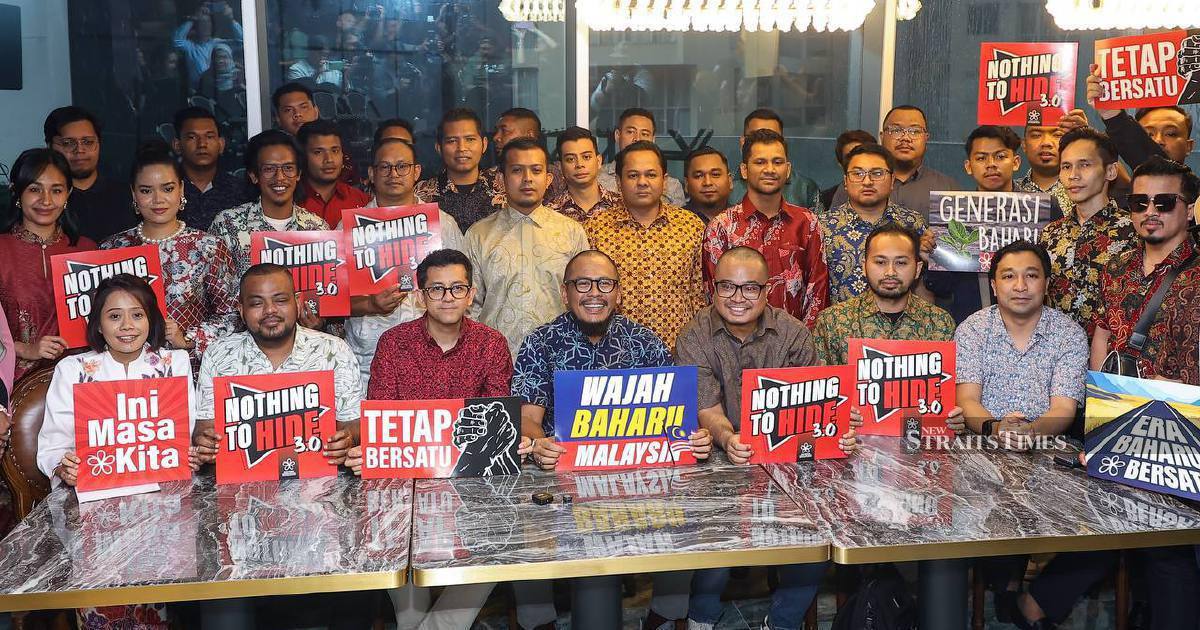
The relationship between PAS and Bersatu, two cornerstone parties of the Perikatan Nasional coalition, has shown signs of stress in recent months, but optimism persists within the alliance that the rift can be bridged. Kota Siputeh assemblyman Mohd Ashraf Mustaqim Abdul Munir provided a reassuring assessment of the situation, drawing an analogy between the coalition's current predicament and the everyday conflicts that occur within a household.
The comparison to domestic squabbles, while unorthodox in political discourse, underscores a fundamental reality of coalition politics in Malaysia. When parties with distinct ideological moorings and constituency bases come together to form a governing alliance, friction becomes inevitable. The PAS-Bersatu partnership has generated considerable commentary in Malaysian political circles, particularly given the divergent voter bases and policy priorities that each party represents. PAS, with its Islamic-focused platform and substantial rural support, operates from a different political landscape than Bersatu, which positions itself as a multiethnic, progressive alternative within the PN framework.
Recent tensions between the two parties have manifested in various ways, reflecting deeper structural issues within the coalition. Competition for resources, differences in strategic direction, and disagreements over policy implementation have all contributed to visible strains. These conflicts have played out in state-level politics, party statements, and positioning ahead of potential electoral contests. The visibility of these disputes raises questions about the stability of PN as a whole, particularly as the coalition continues to position itself as an alternative to Pakatan Harapan ahead of future elections.
Mohd Ashraf's characterisation of the situation as temporary friction between partners bound by common political interests is intended to calm anxieties about the coalition's durability. The married couple metaphor, though somewhat informal, captures an important political truth: fundamental disagreements need not lead to permanent separation when shared interests and mutual dependence remain strong. In the Malaysian context, where coalitional dynamics determine electoral viability and ministerial positions, even substantial disputes rarely lead to outright defection unless more advantageous alternatives emerge elsewhere.
The Perikatan Nasional structure itself has evolved significantly since its initial formation. What began as a loose collaboration has gradually consolidated into a more formal alliance with shared decision-making mechanisms and coordinated policy platforms. This institutional development provides scaffolding that can absorb temporary disputes without collapsing the entire structure. However, the coalition's ability to weather internal tensions depends on whether senior leadership across parties can manage expectations and prevent disagreements from escalating into existential conflicts over principles or power.
For Malaysian voters and observers seeking to understand coalition stability, the key indicator will be whether PAS and Bersatu can coordinate effectively on critical issues such as economic management, religious affairs, and electoral strategy. The coalition's electoral prospects hinge partly on demonstrating to voters that despite internal differences, it can function as a cohesive governing force. Recent international examples of coalition governments illustrate how visible internal divisions can erode public confidence, particularly when voters question whether partners can deliver on promises or manage resources responsibly.
The timing of Mohd Ashraf's remarks is significant, coming at a period when political coalitions across Southeast Asia face mounting pressure from economic headwinds, regional geopolitical shifts, and domestic policy challenges. Malaysia's PN coalition operates within this broader context, where internal stability becomes increasingly valuable as external pressures mount. The ability to maintain coalition unity while managing ideological differences represents a considerable political skill, yet one that increasingly defines successful governance in the region.
Looking forward, the resilience of the PAS-Bersatu relationship will likely depend on several factors beyond the current optimistic rhetoric. Electoral calculations will play a crucial role; should one partner perceive that pursuing alternative alliances would improve its electoral fortunes, the language of reconciliation could quickly shift. Additionally, the emergence of new policy questions or divisive national issues could reignite tensions if the parties find themselves on opposing sides of important debates.
The comparison to married couples also hints at an uncomfortable truth in Malaysian politics: partners often remain together not from harmony but from practical necessity and the difficulty of dissolving the arrangement. Neither PAS nor Bersatu currently possesses the strength to govern independently or guarantee electoral dominance without coalition partners. This mutual dependence provides powerful incentive to work through disagreements, even when genuine friction exists beneath the surface. Whether this pragmatic calculation proves sufficient to sustain the partnership through more serious challenges remains an open question that will shape Malaysian politics in the coming years.

