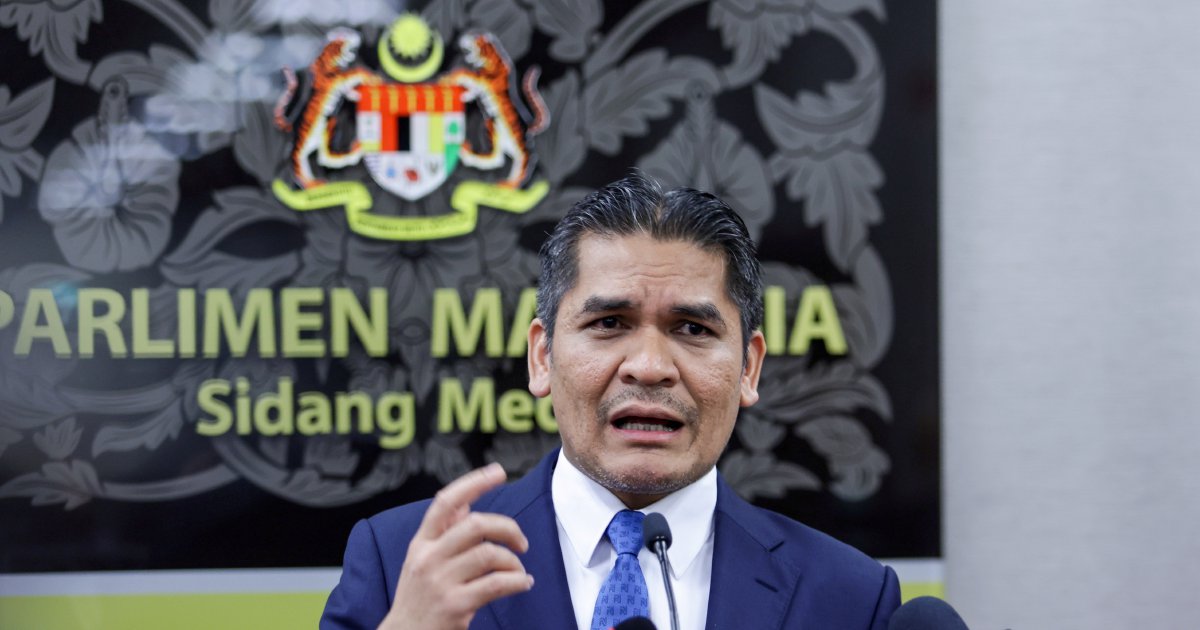
Bersatu's parliamentary contingent will attend today's special sitting of the Dewan Rakyat to deliberate on the Royal Commission of Inquiry report concerning Lembaga Tabung Haji, party leader Datuk Dr Radzi Jidin confirmed, putting to rest suggestions that the party might stage a dramatic exit from the proceedings. The announcement came as parliament prepared to convene for what promises to be a significant discussion on the findings of the RCI, which has been scrutinising the operations and governance of the Islamic pilgrimage savings institution.
The clarity provided by Radzi Jidin underscores Bersatu's commitment to participating in parliamentary processes despite potential sensitivities surrounding the RCI's conclusions. By signalling the party's intention to remain throughout the sitting, the Bersatu leadership has signalled that it views engagement with the deliberative process as preferable to boycotts or dramatic withdrawals. This stance carries implications for how government-aligned parties approach accountability mechanisms, particularly when institutional findings may prove uncomfortable for political allies or beneficiaries.
Tabung Haji has long occupied a sensitive position in Malaysian politics and finance, serving millions of Muslim Malaysians who contribute to its savings scheme for hajj pilgrimage. The institution's governance, fund management practices, and financial health have periodically attracted scrutiny and public concern. The RCI's investigation into these matters represents an official acknowledgment that questions about institutional stewardship warranted formal, independent examination—a process that can generate politically delicate moments depending on which individuals or practices the inquiry identifies as problematic.
The timing of Radzi Jidin's public declaration that Bersatu MPs would not walk out suggests that some observers had anticipated the possibility of a boycott. In Malaysian parliamentary politics, parties sometimes use boycotts to signal displeasure, distance themselves from unpopular decisions, or dramatise their opposition to specific outcomes. By pre-emptively announcing that Bersatu would remain present, the party leadership has effectively closed off that option and committed itself to active participation in the debate.
For Malaysia's Muslim-majority population, the Tabung Haji RCI findings carry direct significance. Millions of ordinary Malaysians depend on the institution to reliably safeguard their contributions and facilitate their religious obligations. Transparency regarding the RCI's conclusions and parliamentary scrutiny of those findings helps ensure public confidence in an organisation that holds substantial collective savings. The decision by Bersatu to engage substantively rather than disengage sends a signal about the party's willingness to support accountability in institutions that serve the broader public interest.
Parliamentary sittings dedicated to RCI reports represent important moments of democratic accountability. They provide lawmakers with an opportunity to examine findings, ask clarifying questions, and collectively address any systemic or organisational deficiencies that the inquiry has uncovered. When major parliamentary blocs choose to participate actively rather than absent themselves, the legislative process gains credibility and the findings receive broader political endorsement or constructive debate.
The composition of Malaysia's current parliament, in which government formation depends on support from multiple parties with distinct interests and constituencies, makes every parliamentary sitting a navigation of complex political incentives. Bersatu's presence at today's sitting means that the party will have a voice in shaping how the RCI findings are discussed, debated, and responded to. This participatory approach contrasts with withdrawal strategies that would cede the floor entirely to other political actors.
Tabung Haji's institutional health extends beyond financial considerations to encompass questions of governance, transparency, and ethical stewardship. An RCI investigation into the organisation likely examined matters ranging from internal controls and procurement practices to senior leadership decision-making and adherence to fiduciary responsibilities. Parliamentary discussion of such findings creates a public record and establishes legislative expectations for corrective action or reform.
Radzi Jidin's confirmation also reflects calculation about public perception. In an era of heightened scrutiny of institutional governance across Malaysia, political parties face reputational risks if they appear to dodge accountability discussions or shield institutions from legitimate oversight. By ensuring that Bersatu's MPs remain in the chamber to engage with the RCI report, the party demonstrates a willingness to face scrutiny head-on rather than retreat from it.
The special sitting represents an occasion for parliament to fulfil its constitutional role as the ultimate repository of popular sovereignty and institutional overseer. When all major parliamentary groups commit to attendance and engagement, that role gains force and legitimacy. Radzi Jidin's statement that Bersatu will not walk out—seemingly routine but politically significant—thus contributes to ensuring that today's deliberation occurs within a full, engaged chamber capable of holding institutions accountable and translating RCI findings into substantive parliamentary discourse and potential policy responses.

