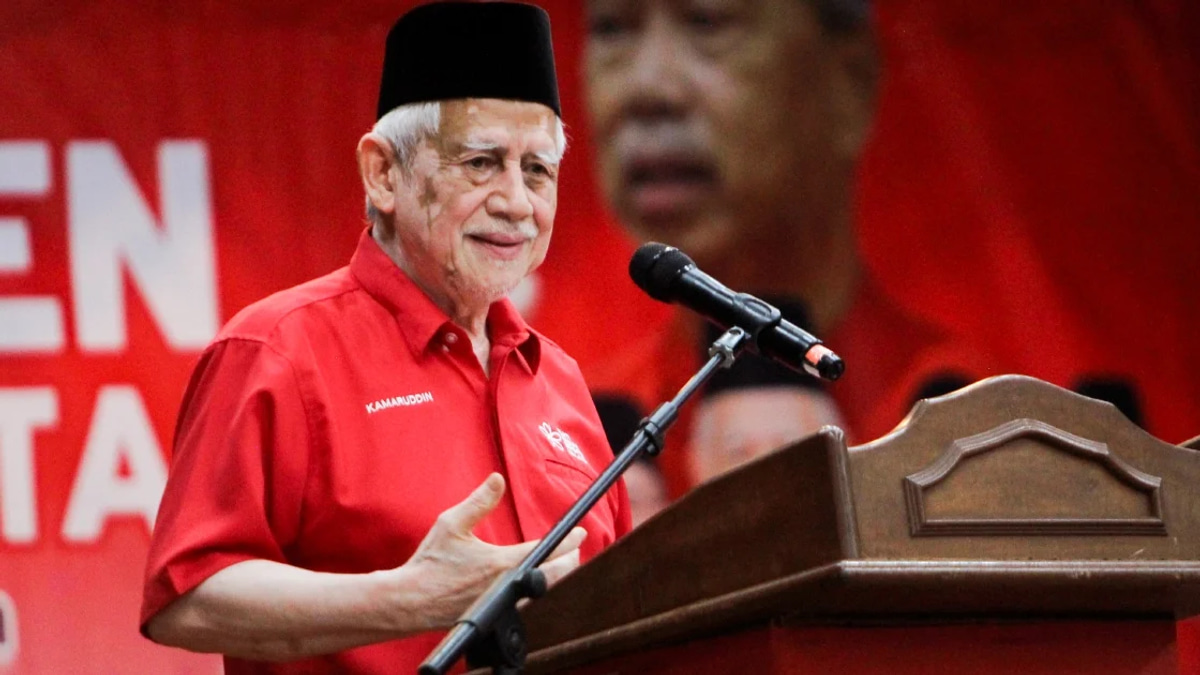
Bersatu has opted to advance its election preparations without waiting for the broader Perikatan Nasional coalition to establish a unified game plan, signalling growing impatience within the alliance over the handling of upcoming state polls in Johor and Negri Sembilan. The decision comes after senior figures within PN have been unable to schedule and conduct the necessary high-level meetings needed to determine the coalition's competitive positioning and candidate allocation across these key states.
The party's unilateral move reflects mounting frustration at the coalition level, where delays in strategic coordination have left component parties uncertain about their roles and resources as polling day approaches. By stepping ahead with its own machinery alongside other partners and the Ikatan Prihatin Rakyat alliance, Bersatu is essentially hedging its bets against further postponements, ensuring that its organisational groundwork does not stall indefinitely. This approach carries significant implications for how smoothly PN can function as a cohesive political force heading into these contests.
For Malaysian political observers, the development underscores persistent tensions between maintaining coalition unity and the pragmatic need for individual parties to safeguard their competitive interests. When major alliances fail to synchronise their efforts, smaller and mid-sized parties often find themselves in precarious positions, unsure whether they should invest heavily in areas where they lack clear coalition backing or whether resources would be better deployed elsewhere. Bersatu's decision to forge ahead represents a calculated risk designed to limit such uncertainty.
The stalling within PN's senior leadership raises broader questions about the coalition's governance mechanisms and decision-making culture. Regular, decisive meetings among top brass are essential for maintaining internal cohesion and presenting a united front to voters. When these fail to materialise, it creates a vacuum that invites individual members to pursue their own strategic priorities, potentially fragmenting the alliance's messaging and reducing its electoral efficiency. This pattern has historically weakened Malaysian coalition efforts in the run-up to major elections.
Johor and Negri Sembilan represent important testing grounds for Malaysian politics. Both states carry symbolic weight beyond their parliamentary seats, and strong performances here could reshape the political landscape ahead of any future general election. For PN, which has struggled to establish itself as a credible national alternative to the government, these contests offer opportunities to demonstrate organisational capacity and electoral appeal. Conversely, failures would compound concerns about the coalition's sustainability and relevance.
Bersatu's independent movement also reflects the party's dual positioning within the Malaysian political ecosystem. As a relatively newer entrant with ambitions to expand its footprint, Bersatu cannot afford to be held back by coordination delays affecting larger coalition partners. The party has invested considerable political capital in building presence across multiple states, and allowing PN-level paralysis to undermine that progress would be strategically counterproductive. By taking autonomous action, Bersatu protects its investments while maintaining the option to eventually coordinate with the broader alliance once PN's leadership gets its act together.
The Ikatan Prihatin Rakyat alliance mentioned in Bersatu's approach represents another layer of electoral complexity. Malaysia's multi-tiered coalition system, where parties can be simultaneously members of different alliances at federal, state, and local levels, creates both opportunities and coordination headaches. Bersatu's decision to work with this parallel structure suggests the party is developing contingency frameworks that do not depend entirely on PN's institutional functioning. This flexibility could prove valuable if PN continues to experience leadership gridlock.
From a voter perspective, the delays within PN may actually serve the incumbent government's interests by allowing it to project an image of stability and decisive governance in contrast to an opposition coalition that appears disorganised. Malaysian voters have historically punished fragmented opposition efforts, and any perception that PN lacks cohesion or clear direction could undermine its appeal in these state elections. Bersatu's move to act independently, while practical from an organisational standpoint, might inadvertently reinforce the notion that PN is a loose alliance of convenience rather than a tightly integrated political force.
The regional implications for Southeast Asia should not be overlooked either. Malaysia's political developments are closely watched across the region, where coalition politics and opposition movements remain contested terrain. A well-functioning opposition alliance in Malaysia could offer instructive lessons for democratic activists elsewhere in Southeast Asia seeking to build effective electoral fronts. Conversely, visible dysfunction within PN might suggest that such alliances struggle to maintain coherence under real-world political pressures, a lesson that could discourage similar efforts elsewhere.
Looking forward, Bersatu and other PN components face a delicate balancing act. Moving ahead independently protects their immediate electoral interests and demonstrates commitment to voters. However, such uncoordinated advancement risks creating candidate conflicts, duplicated campaign efforts, and a confused electoral message if PN leadership eventually attempts to impose a unified strategy after the fact. The ideal outcome would be for PN's top figures to reconvene promptly, resolve internal differences, and provide the strategic clarity that all component parties require to contest these elections effectively.
The coming weeks will reveal whether Bersatu's pressure strategy succeeds in jolting PN's leadership into action or whether the coalition continues to operate in a decentralised fashion with individual members charting their own courses. Either outcome carries consequences for the broader Malaysian political landscape and the coalition's long-term viability as a genuine alternative government waiting in the wings.