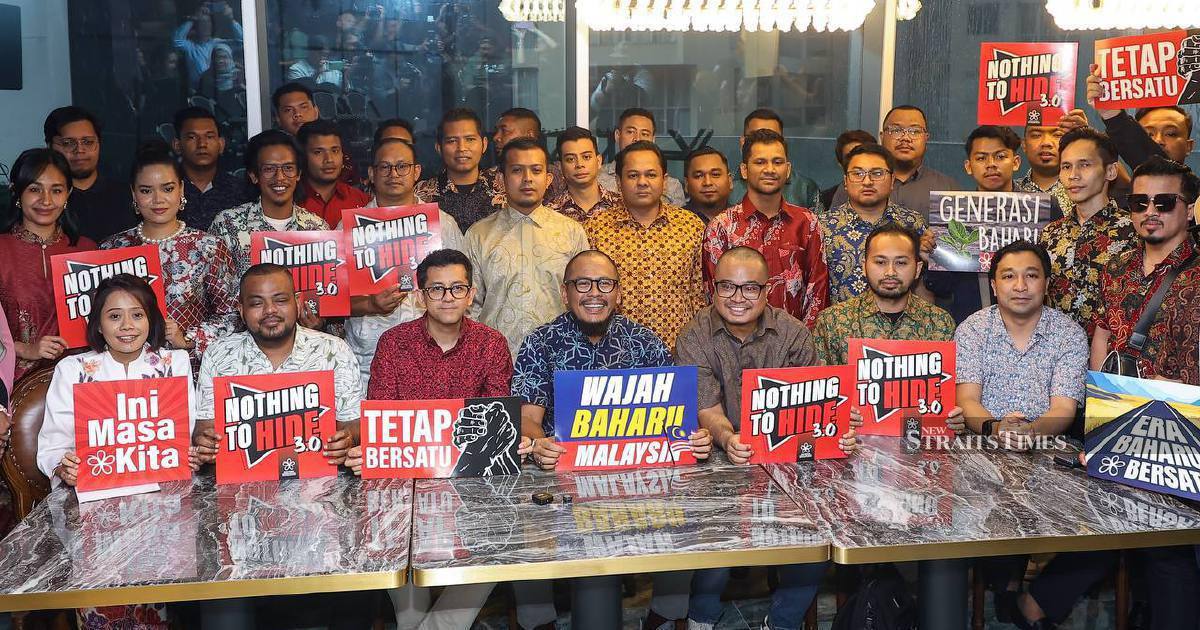
The relationship between Bersatu and Pas, two cornerstone parties within the Perikatan Nasional (PN) coalition, shows signs of potential repair despite recent public tensions, according to Kota Siputeh assemblyman Mohd Ashraf Mustaqim Abdul Munir. His cautiously optimistic assessment suggests that despite friction between the allies, underlying structural ties remain intact and capable of mending.
Mohd Ashraf's characterisation of the current impasse draws a domestic parallel that underscores the nature of coalition politics in Malaysia. He likened the periodic disagreements between Bersatu and Pas to a married couple who engage in sustained quarrels while continuing to share living quarters. This metaphor carries particular weight in Malaysian political discourse, where coalition partnerships function as compulsory roommates rather than freely chosen associations. The analogy implies that while tensions exist and arguments flare, the fundamental commitment to cohabitation—in this case, the PN partnership—remains operative.
The optimism expressed by the Bersatu politician reflects a broader recognition within PN circles that the coalition's viability depends on managing internal disputes without allowing them to precipitate fundamental ruptures. Pas and Bersatu have navigated significant policy disagreements and leadership rivalries since the coalition's formation, yet both parties understand the electoral mathematics that make coalition cooperation essential for their respective political survival in an increasingly multipolar Malaysian political landscape.
For Malaysian observers, the significance of this reassurance extends beyond internal party mechanics. Pas controls significant parliamentary representation and maintains substantial influence in several Malaysian states, particularly along the eastern corridor. Bersatu, though smaller in parliamentary terms, wields considerable influence within federal structures and enjoys strategic positioning. Any genuine breakdown between these parties would reshape the balance of power in Kuala Lumpur and potentially destabilise state governments where PN maintains majority coalitions.
Recent tensions between the two parties have centred on various strategic and ideological questions, with both organisations competing for influence within the broader PN framework and seeking to assert distinct political identities. These disagreements, while genuine, operate within the context of a coalition arrangement that both parties acknowledge as politically necessary. The recurring pattern of public disputes followed by relationship management reflects the inherent contradictions within PN—a coalition of parties with distinct organizational interests forced into proximity by electoral imperatives.
Mohd Ashraf's public statement carries the imprint of deliberate political messaging, signalling to both internal PN constituencies and external observers that the coalition mechanisms remain functional despite visible friction. Such reassurances serve multiple purposes: they stabilise nervous coalition partners, discourage opportunistic defections from backbenchers, and provide cover for continued cooperation on legislative matters where unity proves essential. In Malaysian coalition politics, such public expressions of optimism frequently precede negotiated settlements of disputed issues.
The Kota Siputeh assemblyman's comments also reflect the calculation that permanent rupture would be costlier for both Bersatu and Pas than managing ongoing disagreements. Pas, despite its substantial influence, would face challenges maintaining parliamentary relevance without coalition backing in federal matters. Bersatu, conversely, depends on Pas support to sustain its position within broader federal coalitions. These mutual dependencies create structural incentives toward conflict management rather than escalation.
From a Southeast Asian perspective, the stability of Malaysia's PN coalition carries implications beyond domestic politics. The coalition's durability affects regional governance patterns and influences how Malaysia positions itself within broader regional forums. Sustained internal conflict within PN could weaken Malaysia's institutional coherence and reduce its ability to project consistent policy positions internationally. Conversely, successful coalition management enhances governmental stability and strengthens Malaysia's capacity to engage effectively in regional diplomacy.
The road toward rebuilding Bersatu-Pas relations likely involves careful compartmentalisation of disagreements, establishing clearer protocols for dispute resolution, and perhaps negotiated settlements around specific policy questions that have generated tension. Malaysian coalition politics typically operates through such mechanisms, where formal agreements provide frameworks within which parties pursue distinct interests without destabilising the overall partnership. The marriage metaphor advanced by Mohd Ashraf suggests acceptance that coexistence requires tolerance for ongoing minor friction alongside commitment to fundamental stability.
Looking forward, the credibility of Mohd Ashraf's optimism will be tested through concrete developments in PN coalition management. Whether the two parties successfully navigate upcoming legislative challenges, coordinate position-taking on key policy questions, and maintain synchronized messaging will determine whether his assessment proves prescient or merely aspirational. The coming months will reveal whether PN's internal architecture possesses sufficient resilience to absorb contemporary tensions while preserving coalition functionality.

