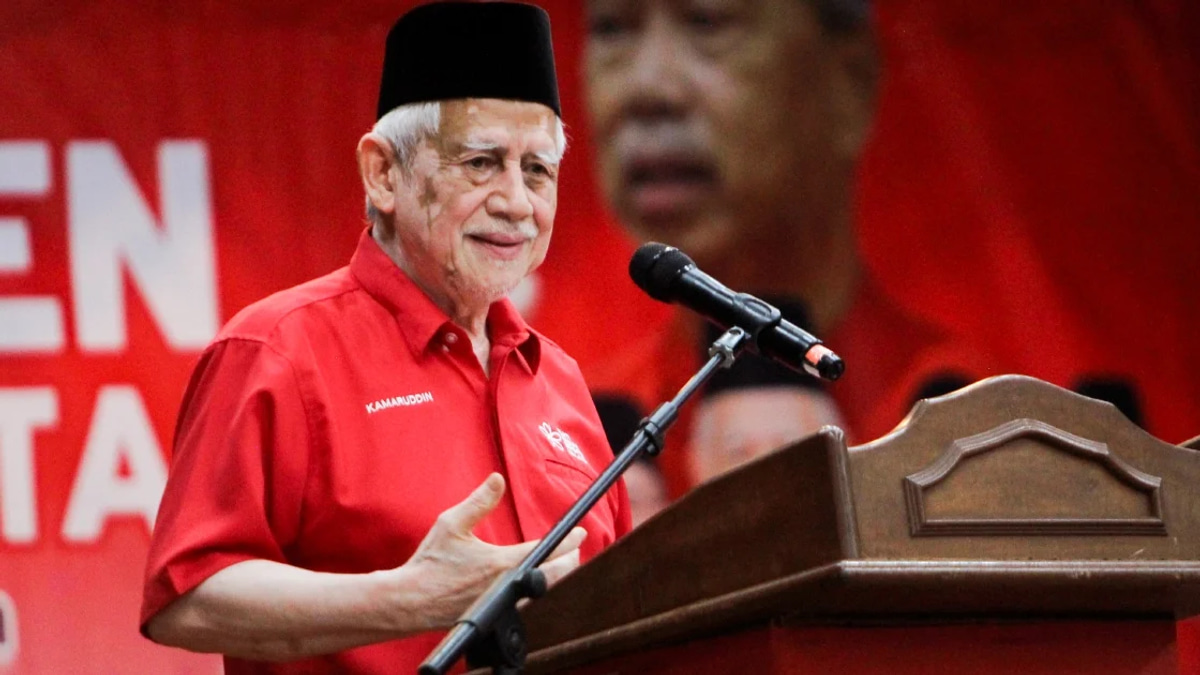
Marzuki Mohamad, a former senior aide to Muhyiddin Yassin, has pushed back against suggestions that Bersatu faces imminent expulsion from the Perikatan Nasional bloc, arguing that the coalition's foundational rules provide robust legal protection against such unilateral action. His intervention into the volatile question of Bersatu's place within PN carries particular weight given his proximity to the Perikatan chairman and touches on a structural tension that has periodically destabilised Malaysia's opposition alliance.
According to Marzuki's reading of the Perikatan Nasional constitution, any disciplinary measures or decisions affecting a member party's parliamentary representation require the affirmative vote of every member of the presidential council. This unanimity requirement fundamentally alters the calculus of internal coalition politics, meaning that no single party or faction can simply marshal a simple majority to sideline Bersatu, regardless of tensions between the partners. The threshold essentially grants each component party—including Bersatu itself—a de facto veto over actions that could precipitate another party's removal or marginalisation.
The timing of this constitutional clarification is significant given recent friction within Perikatan Nasional. While the exact nature of disputes between Bersatu and other PN partners has remained fluid, questions about seat allocation, internal discipline, and the direction of opposition strategy have periodically threatened the coalition's cohesion. For Malaysian political observers, the formal structure of PN increasingly matters because the bloc represents the primary organised opposition to the ruling Pakatan Harapan government, and its stability has knock-on effects for parliamentary dynamics and electoral prospects.
Marzuki's emphasis on constitutional protections suggests that Bersatu leadership views the party as secure within its current institutional framework, at least in formal terms. By anchoring his argument in the PN constitution rather than appealing to sentiment or political relationships, he is signalling that Bersatu believes it possesses legal and procedural defences against any coordinated effort by rival factions to engineer its exit. This legalistic approach reflects a broader trend in Malaysian politics whereby political actors increasingly invoke constitutional and procedural mechanisms when facing existential threats to their position.
The presidential council structure that Marzuki references operates as PN's highest decision-making body, comprising representatives from each member party. This collegial design was intended to prevent any single organisation from dominating the coalition, a concern that has long animated Malaysian opposition politics. However, the unanimity requirement for disciplinary action creates a potential gridlock scenario where parties might use veto power not as a shield for their own survival but as leverage in internal bargaining over resources, candidate selections, or policy direction.
For Bersatu specifically, this constitutional arrangement becomes particularly relevant given the party's complicated history within various coalitions. Having previously operated within Pakatan Harapan and later formed its current alliance with PAS and other components under the PN banner, Bersatu has experienced firsthand how coalition membership can rapidly shift when party dynamics change. The constitution that Marzuki invokes thus represents institutional learning—an attempt to create legal structures that prevent the kind of sudden expulsions or forced exits that have characterised previous Malaysian coalition arrangements.
The broader implications for Malaysian political stability are worth considering. If Perikatan Nasional parties genuinely accept the constitutional framework that Marzuki describes, then internal disputes would theoretically be resolved through negotiation and compromise rather than through winner-take-all power plays. Conversely, if any party believes that the unanimity requirement is unjust or strategically disadvantageous, it might seek to circumvent the constitution through informal pressure, threats of withdrawal, or attempts to reinterpret the rules.
Regional context also matters here. Across Southeast Asia, opposition coalitions frequently struggle with coherence and internal discipline, particularly when they are not directly governing. The Perikatan Nasional's durability will influence how Malaysian opposition politics develops over the coming years, potentially affecting the country's democratic health and electoral competition. A coalition that can manage internal disputes through constitutional means rather than through factional warfare tends to function more effectively as a check on executive power.
Marzuki's intervention should be read partly as a reassurance to Bersatu members and supporters that their party's status within PN rests on secure legal foundations. However, it also implicitly acknowledges that the question of Bersatu's place in the coalition has become contentious enough to require public clarification. The fact that a former aide to the PN chairman felt compelled to explain constitutional mechanics suggests that some ambiguity or anxiety surrounds the issue, regardless of what the formal rules actually stipulate.
Moving forward, the test of Perikatan Nasional's institutional framework will come if serious disputes arise that pit one member party against others in a zero-sum manner. Whether the unanimity requirement for disciplinary action proves robust or becomes a dead letter will depend partly on whether all PN parties genuinely believe they benefit from the protection it offers, and partly on whether they develop informal mechanisms for resolving conflicts before they escalate to constitutional confrontation.
Marzuki's defence of Bersatu's position underscores a larger truth about Malaysian coalitional politics: formal rules matter, but so do the incentives and beliefs of the parties operating within them. If Bersatu continues to be perceived as a valuable member of the PN alliance, the constitution provides legal protection for its membership. If, however, perceptions shift and other parties determine that removing Bersatu would benefit them more than maintaining the coalition's unity, they may seek ways to reinterpret or circumvent the very constitutional provisions that Marzuki has highlighted.