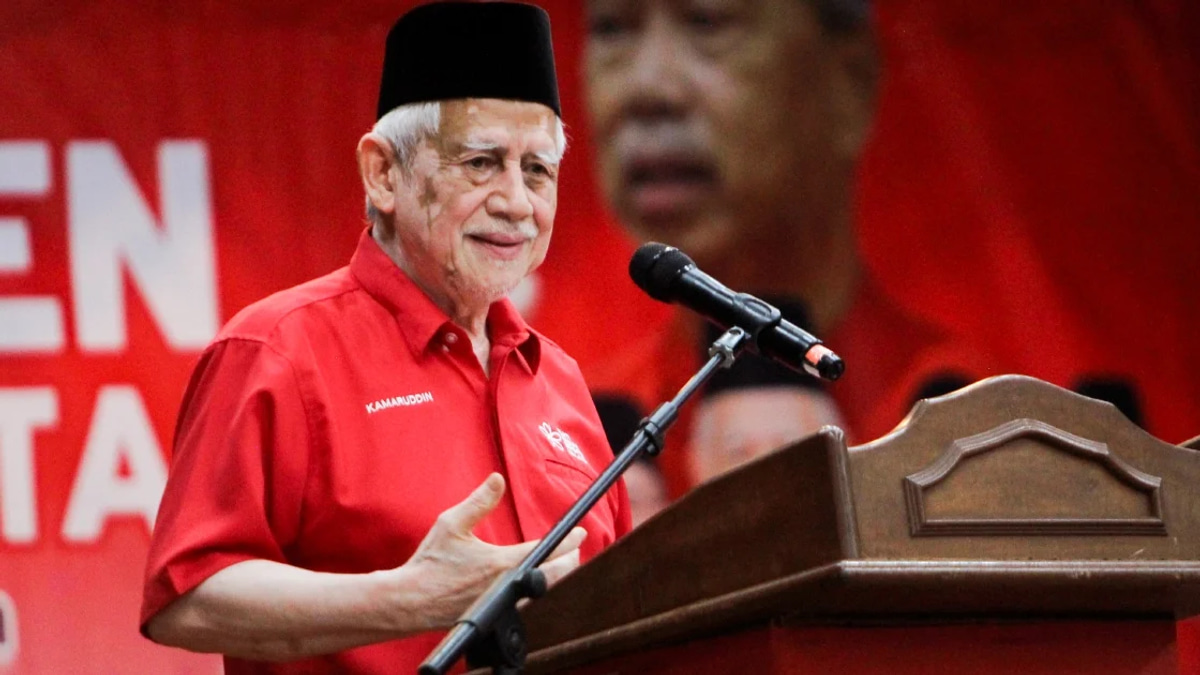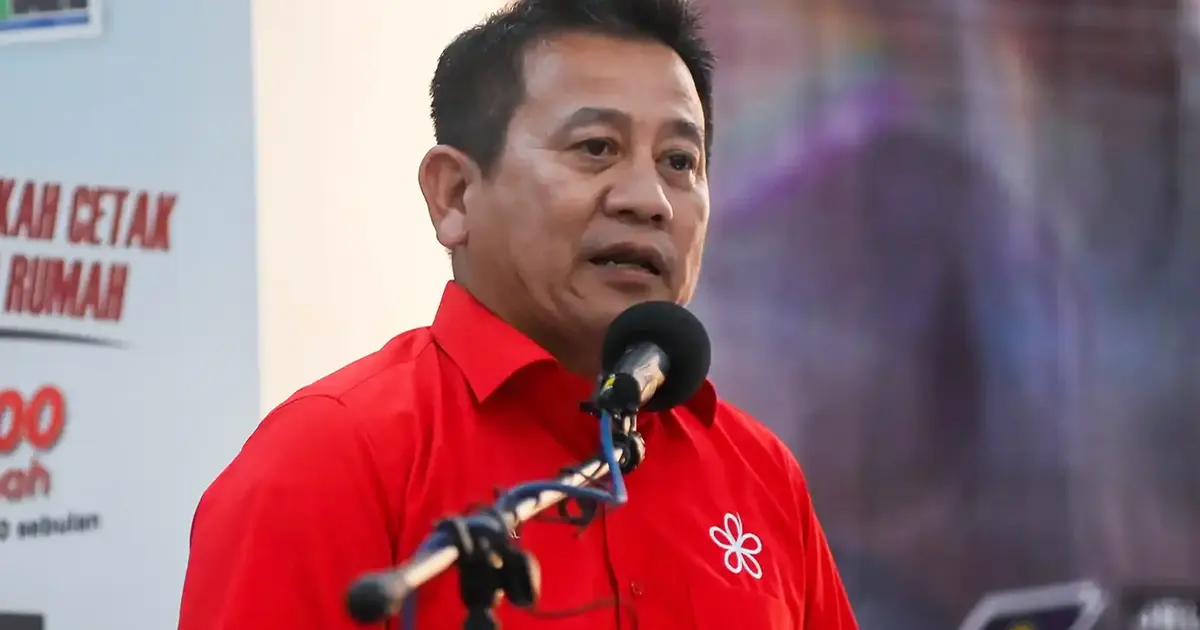
Tensions within the Perikatan Nasional (PN) alliance surfaced over the weekend when Tun Faisal Ismail Aziz, the information chief of Bersatu, publicly challenged the Islamist party PAS over what he characterises as a deliberate consolidation of power following recent coalition restructuring. His comments reflect deepening anxieties within the opposition pact concerning the distribution of influence and control among its constituent members, a friction that threatens the fragile unity forged between these politically disparate entities.
The Perikatan Nasional coalition, which comprises Bersatu, PAS, and other smaller parties, has undergone significant organisational adjustments in recent months. These reshuffle decisions have triggered internal disagreements about whether one party is leveraging structural changes to entrench its position at the expense of coalition partners. Tun Faisal's intervention underscores how these technical administrative matters carry substantial political weight, revealing the underlying power struggle beneath the coalition's public facade of solidarity.
Tun Faisal's specific concern centres on what he perceives as an increasingly authoritarian management style adopted by PAS within PN's institutional framework. The information chief argues that rather than operating according to principles of collective decision-making and shared responsibility, PAS appears to be consolidating control mechanisms that would enable unilateral action on crucial matters. This criticism suggests that disagreements about governance procedures and power-sharing arrangements—rather than ideological disputes—now occupy centre stage in coalition diplomacy.
The dynamic between Bersatu and PAS reflects a broader tension inherent in Malaysian coalition politics. While both parties function as opposition entities within the PN framework, they represent distinct political traditions and voter bases. Bersatu, which emerged from UMNO defectors, carries Malay-Muslim credentials alongside secular-oriented governance philosophy. PAS, meanwhile, operates explicitly as an Islamic party with a grassroots base built on religious conservative principles. These foundational differences inevitably create friction when power-sharing arrangements must be negotiated.
For Malaysian political observers, Tun Faisal's public airing of coalition grievances signals a worrying deterioration in internal PN cohesion precisely when the alliance requires maximum unity to pose a credible electoral challenge to the government. When coalition partners begin openly accusing one another of authoritarian behaviour and power consolidation, the inevitable consequence is weakened coordination, difficulty in maintaining a unified messaging strategy, and reduced effectiveness in parliamentary operations.
The reshuffle ostensibly conducted organisational restructuring within PN's leadership and committee structures. However, Tun Faisal's characterisation suggests these changes disproportionately advantaged PAS by altering decision-making procedures, expanding PAS's supervisory roles, or adjusting the balance of representation in key bodies. Without specific details about which structural modifications prompted his concerns, observers must infer that the dispute involves substantive matters affecting how coalition decisions get made rather than merely cosmetic leadership changes.
PAS's institutional position within Perikatan Nasional reflects its electoral strength and grassroots organisation across several states. The party maintains significant influence in Kelantan and Terengganu where it governs, and commands considerable support within the conservative Malay-Muslim demographic across Malaysia. This electoral weight grants PAS negotiating leverage within coalition discussions, potentially enabling the party to secure structural advantages when disputes arise over governance procedures and institutional architecture.
Bersatu's challenge to PAS's supposed power consolidation must be understood within the context of Bersatu's own organisational vulnerabilities. The party, while holding significant parliamentary numbers, has experienced membership fluctuations and factional disputes that periodically threaten its internal stability. Any perception that coalition partners are engineering structures to marginalise Bersatu's voice would naturally provoke defensive responses from the party's leadership, as Tun Faisal's comments demonstrate.
For Southeast Asian observers tracking Malaysian political developments, these internal coalition disputes carry implications extending beyond domestic politics. Malaysia's political stability affects regional economic confidence, investor sentiment, and ASEAN dynamics. A weakening opposition coalition that fragments through internal discord ultimately impacts the overall health of Malaysia's democratic system by reducing meaningful institutional checks on executive authority. When opposition entities consume energy battling one another rather than providing coherent parliamentary oversight, governance quality suffers across multiple policy domains.
The broader Malaysian electorate ultimately bears the consequences when coalition partners prioritise internal power struggles over programmatic coherence. Voters considering opposition alternatives need confidence that coalition members have resolved fundamental questions about power-sharing, governance procedures, and institutional authority before entering electoral contests. Public accusations of authoritarian behaviour and power consolidation instead signal unresolved tensions that voters reasonably interpret as suggesting the coalition remains fundamentally fractious and insufficiently mature for governing responsibility.
Moving forward, PN leadership must urgently address these structural and procedural grievances before additional public disputes further erode coalition credibility. Whether through formal coalition agreements specifying power-sharing arrangements, mediation addressing specific reshuffle concerns, or institutional reforms guaranteeing equitable representation, some mechanism must restore confidence among coalition members that governance arrangements reflect genuine power-sharing rather than domination by a single party.
Tun Faisal's intervention, while highlighting internal PN instability, paradoxically offers an opportunity for coalition leaders to demonstrate maturity by resolving these disputes constructively. How Perikatan Nasional navigates this current tension will substantially influence both the coalition's electoral viability and broader perceptions of Malaysia's political readiness for potential leadership transition in coming electoral cycles.