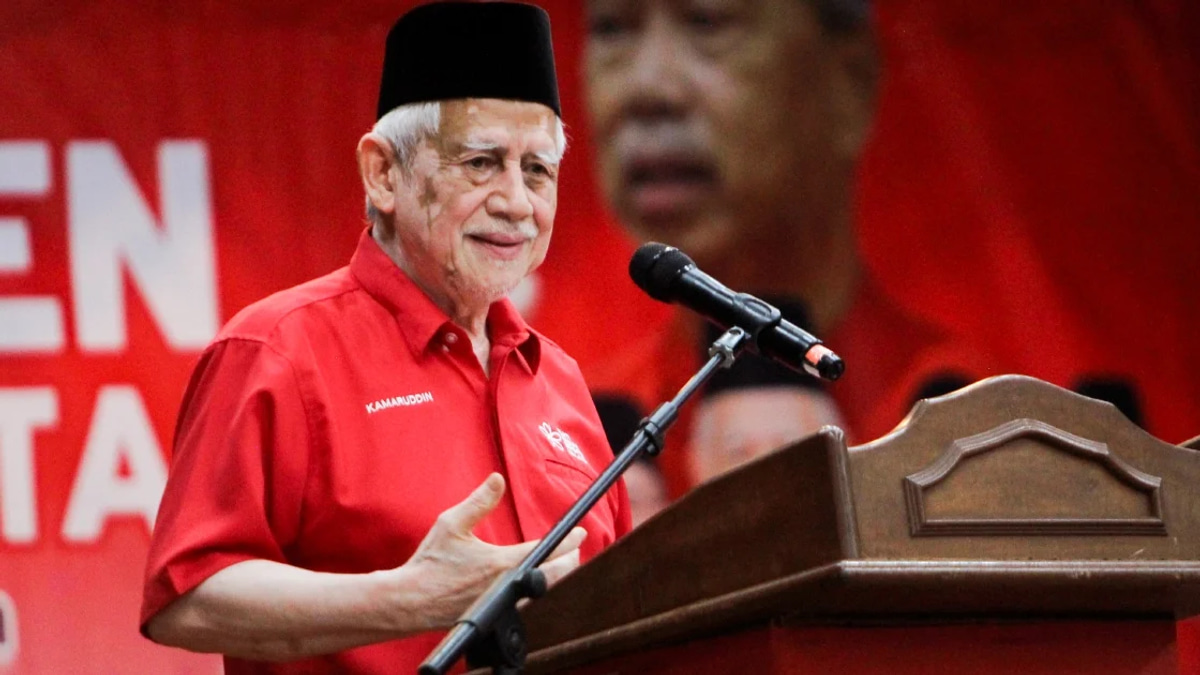
Bersatu's legal gambit to restore access to its frozen bank accounts has ended in defeat at the High Court, delivering a significant blow to the party's financial operations and raising broader questions about its governance and compliance with anti-corruption regulations. The court found that the party had failed to establish sufficient grounds to challenge the Malaysian Anti-Corruption Commission's (MACC) decision to freeze accounts held with CIMB and AmBank, effectively ruling that the anti-corruption agency had acted within its lawful powers and without overstepping its authority.
The freeze on Bersatu's accounts stemmed from MACC investigations into the party's financial dealings and suspected irregularities in how funds had been managed and deployed. Such freezes represent one of the most potent enforcement tools available to Malaysia's premier anti-corruption body, allowing investigators to immobilise assets while they gather evidence and build cases against individuals and organisations suspected of misconduct. Bersatu's decision to mount a legal challenge suggested the party leadership believed the restrictions were excessive or imposed without proper justification, but the High Court has now rejected that assertion entirely.
The significance of this ruling extends beyond the immediate financial predicament facing Bersatu. For a political party at the federal level, blocked bank accounts create severe operational difficulties, constraining the organisation's ability to pay staff, manage election campaign expenses, service debts, and fund constituency operations. The freeze essentially paralyses routine administrative functions that any political movement requires to maintain institutional coherence and electoral viability. This outcome places Bersatu in a precarious position as the party navigates an already turbulent political landscape in Malaysia.
From an institutional perspective, the judgment reinforces MACC's considerable independence and enforcement discretion. The High Court's decision to uphold the freeze indicates that Malaysian courts remain reluctant to second-guess the agency's operational judgments unless extraordinary circumstances suggest outright abuse of power. This deference reflects a broader judicial philosophy that accords substantial scope to independent regulatory bodies tasked with combating financial crime and corruption. For MACC, the verdict provides judicial validation of its investigation strategy and strengthens its hand in pursuing any broader charges against party officials that may emerge from the inquiry.
The case also illuminates the complex relationship between political parties and anti-corruption enforcement in Malaysia. Unlike some democracies where political parties enjoy special protections or immunities, Malaysia's system treats them as legal entities subject to the full rigour of financial regulation and criminal investigation. This principle has been tested repeatedly in recent years, particularly given the numerous corruption allegations that have shadowed Malaysian politics since the 1MDB scandal. Bersatu's defeat suggests that courts will not readily grant parties sanctuary from MACC scrutiny simply by virtue of their political status.
For Bersatu specifically, the financial freeze arrives at an awkward moment in the party's trajectory. The organisation emerged as a significant political force in recent years but has faced internal tensions and external pressures that have complicated its positioning within Malaysia's coalition politics. The blocked accounts will aggravate these difficulties, forcing leadership to make difficult choices about resource allocation and potentially curtailing activities that depend on reliable access to funds. The party may now need to consider whether to pursue further legal avenues, negotiate with MACC directly, or attempt to restructure its financial arrangements to adapt to the current constraints.
The case carries implications for how Malaysian political parties approach financial governance more broadly. Bersatu's experience demonstrates that regulatory scrutiny of party finances is intensifying and that courts will support enforcement action when they perceive sufficient legal foundation. This should incentivise parties to establish more robust compliance frameworks, improve transparency in fund management, and exercise greater caution in financial decision-making. Parties that neglect these responsibilities may find themselves vulnerable to similar enforcement actions.
The MACC investigation underlying the account freeze remains ongoing, and additional findings could eventually lead to charges against specific party officials. The court's willingness to uphold the freeze suggests that investigators have presented sufficient evidence of potential wrongdoing to justify the extraordinary measure of immobilising party assets. Whether these investigations ultimately result in prosecutions depends on how thoroughly MACC can document alleged misconduct and how compelling any eventual case proves before the courts.
Regionally, Malaysia's experience with enforcing anti-corruption rules against political parties is noteworthy. Other Southeast Asian nations grapple with similar questions about how to investigate and sanction political organisations suspected of financial misconduct. Malaysia's approach—permitting regulatory agencies considerable investigative latitude while enabling courts to review their actions—represents one model for balancing institutional independence against potential abuse. The high bar that Bersatu would need to clear to prove MACC overreach suggests that the system privileges investigative effectiveness over party institutional interests.
Looking forward, Bersatu faces a strategic choice. The party could accept the court's judgment and seek to cooperate with MACC to expedite the investigation, potentially negotiating restoration of account access once the probe concludes. Alternatively, it could pursue further legal remedies through the appellate courts, though the High Court's clear reasoning suggests such appeals would face steep odds. Either way, the frozen accounts represent a substantial constraint on party operations that will shape Bersatu's ability to function and compete politically in the near term.