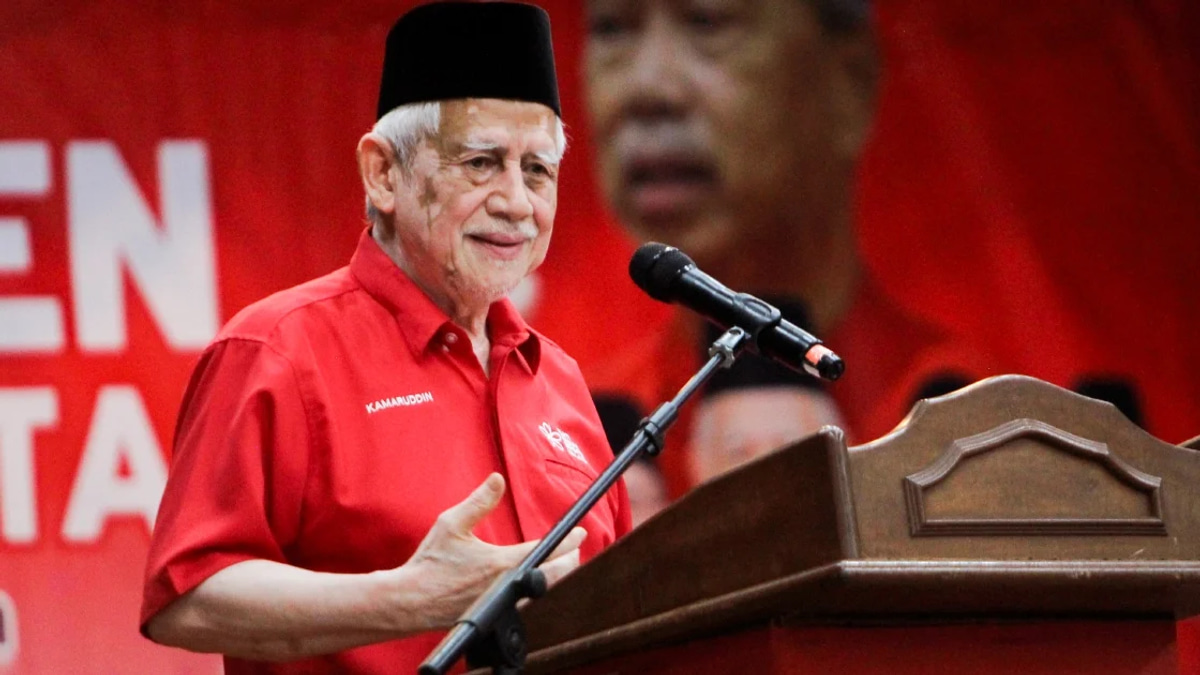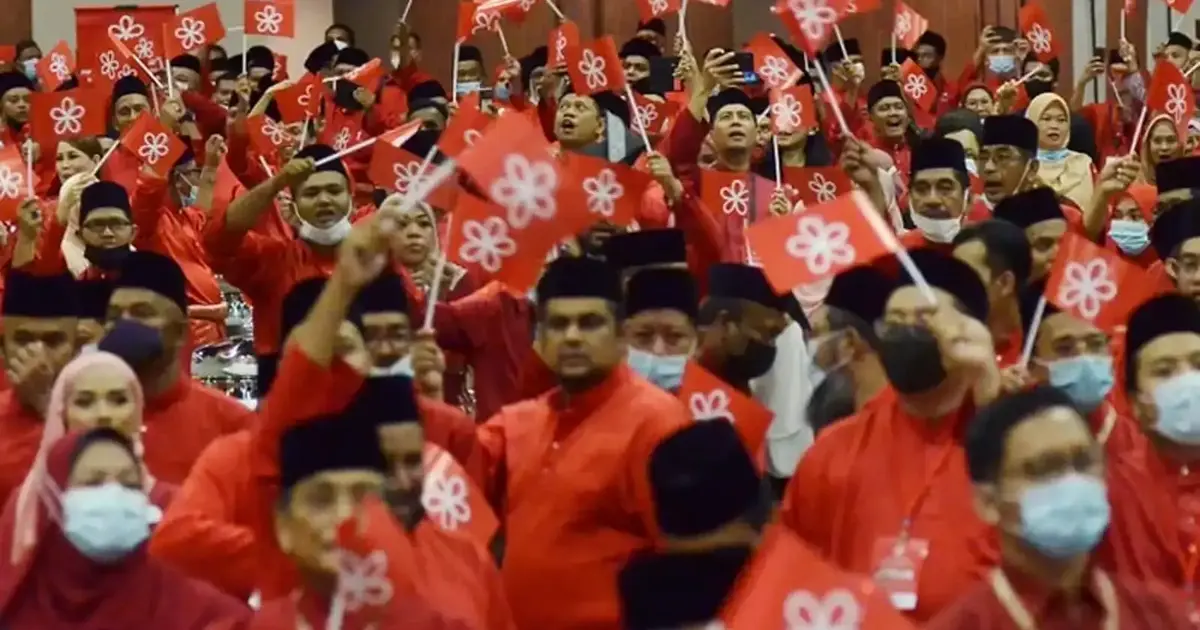
The leadership of Perikatan Nasional faces fresh internal strain as PAS treasurer Iskandar Abdul Samad openly challenged Bersatu's ability to function viably within the coalition framework. His remarks signal deepening fissures within the opposition alliance that has served as the primary counterweight to the ruling government since the 2022 elections, suggesting organisational pressures are mounting behind closed doors.
Iskandar's comments arrive at a particularly sensitive moment for the PN constellation, which has struggled to maintain cohesion across its three component parties: PAS, Bersatu, and Gerakan. The coalition was constructed following the dramatic political upheaval of 2022, yet its structural unity has proven fragile as each party pursues divergent strategic interests and competes for electoral advantage. The suggestion that Bersatu's continued presence has become "indefensible" implies that party dynamics have shifted considerably from the founding principles of the alliance.
Bersatu, led by Muhyiddin Yassin, has occupied an awkward position within PN from its inception. The party entered the opposition following its departure from Pakatan Harapan government structures, where Muhyiddin previously served as Prime Minister. However, the party's relatively modest grassroots machinery and limited parliamentary representation have made it dependent on its larger coalition partners for political legitimacy and electoral viability. This structural weakness has become increasingly apparent as internal disagreements surface regarding coalition strategy and resource allocation.
The Malaysian political landscape has undergone considerable transformation in recent months, with realignment occurring across multiple axes. The federal government has consolidated power under new leadership, while regional electoral cycles have heightened competition between opposition parties vying for voter support. In this environment, smaller coalition members like Bersatu face particular vulnerability, as their contributions to overall opposition performance become subject to greater scrutiny from dominant partners concerned with maximising their own electoral returns.
PAS, as the largest party within PN by parliamentary representation and grassroots organisation, holds disproportionate influence over coalition direction. The party's focus on consolidating support within its traditional heartland of Kelantan and expanding influence in other states has not always aligned with Bersatu's strategic priorities. Iskandar's intervention suggests PAS leadership is losing patience with what it perceives as Bersatu's inability to deliver meaningful electoral gains or substantive contributions to coalition objectives.
The timing of Iskandar's public remarks carries particular significance, as it breaks established protocol of maintaining coalition solidarity in public discourse. In Malaysian politics, senior party officials typically avoid direct criticism of coalition partners, preferring to air disagreements through private channels or party meetings. The decision to voice concerns openly indicates either a deliberate attempt to pressure Bersatu toward reconsidering its position, or acknowledgment that confidential negotiations have reached an impasse.
From Bersatu's perspective, the situation presents a precarious dilemma. Remaining within PN offers access to coalition resources and electoral machinery, yet increasingly marginalises the party within decision-making structures. Departing would free Bersatu from coalition constraints but would effectively exile it from mainstream opposition politics and expose it to further loss of parliamentary seats and party members. The party's relatively thin organisational capacity means it lacks genuine alternatives beyond its current coalition arrangement, leaving it vulnerable to pressure from more powerful partners.
The implications for Malaysian opposition politics extend beyond internal PN dynamics. If Bersatu's position becomes genuinely untenable, the coalition would lose whatever marginal contributions the party provides, potentially weakening overall opposition capacity in upcoming electoral contests. Additionally, Bersatu defection or expulsion would send destabilising signals through the broader political system, as it would demonstrate the fragility of opposition unity and reduce predictability in parliamentary calculations. For the government, such internal opposition turmoil could present opportunities for legislative manoeuvres currently constrained by opposition numbers.
Regional considerations also merit attention. Perikatan Nasional's stability matters for Southeast Asian political continuity, as the coalition's evolution influences Malaysia's broader geopolitical positioning and domestic policy trajectory. Internal opposition breakdown could concentrate power further within government structures, potentially affecting policy coherence in critical areas from economic management to regional engagement.
Bersatu leadership has not yet publicly responded to Iskandar's challenge, though party officials are likely assessing strategic options privately. Options range from attempting to repair coalition relationships through demonstrating renewed contribution capacity, to exploring alternative alliance frameworks, or negotiating transitional arrangements that might allow dignified repositioning. Each option carries significant political costs and uncertain outcomes for a party already weakened by defections and electoral setbacks.