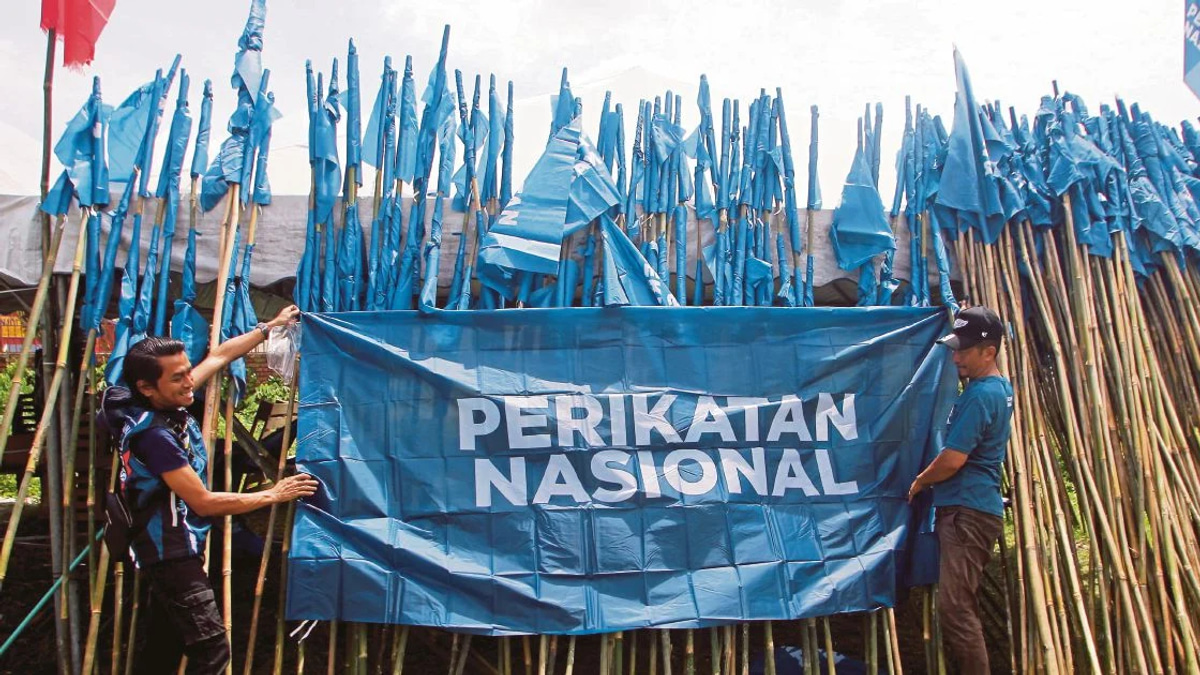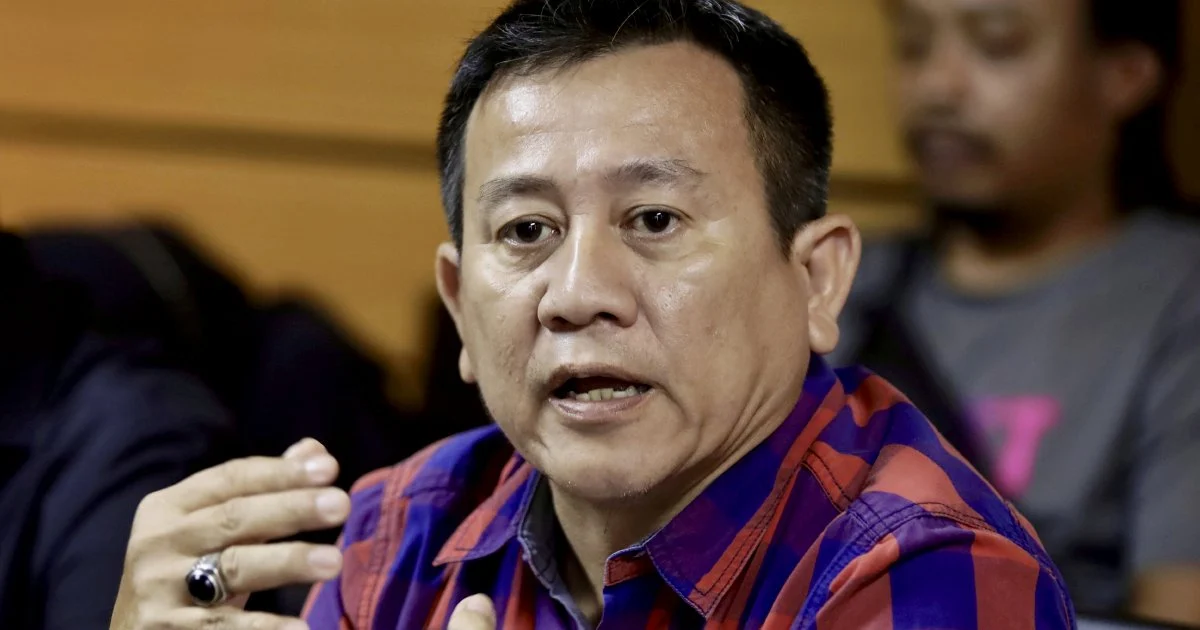
The political landscape within Perikatan Nasional may be shifting after Bersatu information chief Datuk Tun Faisal Ismail Aziz publicly suggested that PAS should reconsider its membership in the three-party coalition. Speaking from Kuala Lumpur, Tun Faisal indicated that the Islamist party would benefit from pursuing an independent political path or exploring partnerships outside the current PN framework, marking an unusual intervention by one coalition member into another's strategic positioning.
The remarks represent a noteworthy crack in the PN alliance, which has served as a significant political force in Malaysian politics since its formation prior to the 2020 general election. The coalition has traditionally positioned itself as an alternative to the Pakatan Harapan-led government, yet internal frictions have periodically surfaced as member parties grapple with competing interests and ideological directions. Tun Faisal's intervention suggests underlying tensions remain unresolved within the bloc, particularly regarding the distribution of power and influence among its constituent parties.
PAS, the largest component of PN by membership and electoral reach, has historically leveraged its strong grassroots networks and control of two state governments to maintain significant sway within the coalition. However, the party has also faced periodic questions about its strategic direction and willingness to compromise on certain policy positions to maintain coalition unity. The Islamist party's presence has sometimes created friction with other PN members over religious and cultural policy approaches, issues that resonate deeply with Malaysian voters across multiple demographic segments.
Tun Faisal's suggestion that PAS could operate independently reflects a broader calculation within Bersatu about optimal coalition configurations. Bersatu, which anchors the PN bloc and provides much of its institutional infrastructure, may be calculating that a reduced coalition without PAS could actually enhance internal coherence and decision-making efficiency. Such a reconfigured alliance might find it easier to navigate divisive issues without needing to accommodate PAS's specific religious and social policy preferences, which have sometimes complicated broader coalition positioning.
The call also carries implications for Malaysian electoral strategy ahead of any future general election. A PAS operating independently could potentially fragment the non-Pakatan Harapan vote in key constituencies, or alternatively might capture additional support from voters who view the party as insufficiently committed to Islamic governance principles. The outcome would significantly reshape the three-cornered contests that have increasingly characterized Malaysian politics, where multiple parties compete across different constituencies with varying levels of coordination.
For regional observers, these developments underscore how Malaysian coalition politics remain volatile and driven by constantly shifting calculations of advantage. Unlike Westminster-style systems where coalition membership typically remains stable between elections, the Malaysian context permits more fluid realignments, particularly when party leaders perceive opportunities to enhance their position or resolve internal contradictions. The PN coalition, despite its public unity, has never achieved the stability or institutional depth that might insulate it from such pressures.
PAS leadership has not immediately responded to Tun Faisal's remarks, suggesting the party may be considering the proposition seriously rather than dismissing it outright. The Islamist organization has always maintained considerable independence within previous coalition arrangements, and the notion of operating entirely autonomously might appeal to elements within the party who have chafed under coalition constraints. Such a move could allow PAS to pursue a more explicitly religious-nationalist agenda without needing to negotiate compromises with secular-leaning coalition partners.
Bersatu's position as the nominal PN leader gives Tun Faisal's intervention particular significance. While ostensibly speaking in a personal capacity as information chief, his words carry weight within party circles and may reflect broader internal discussions about optimal coalition architecture. The statement could also represent a negotiating position, designed to signal to PAS that Bersatu has alternatives and need not indefinitely accommodate all the party's demands within the current arrangement.
The broader context includes Malaysia's complicated transition toward more institutionalized coalition politics following the 2018 election that produced the Pakatan Harapan government. Since then, voters and political analysts have grappled with questions about whether Malaysian democracy functions better with stable, long-term coalitions or more fluid, election-to-election arrangements. The current instability within PN suggests that neither model has yet achieved genuine legitimacy or demonstrated clear advantages over alternatives.
Regional political economy also influences these calculations. Malaysia's economy has faced cyclical pressures, and coalition partners increasingly compete over control of state resources and development spending as tools for building constituency support. PAS's control of Terengganu and Kelantan gives the party significant leverage over resource distribution in those states, leverage that would become more potent if the party operated without coalition constraints. Conversely, losing PAS would reduce PN's overall resource base and electoral reach, complicating efforts to challenge Pakatan Harapan across diverse geographical regions.