Malaysia's Perikatan Nasional coalition faces a critical juncture as its Supreme Council prepares for a high-stakes assembly in Kota Baru on June 22, where party leaders will attempt to navigate longstanding disputes that threaten to undermine the bloc's electoral prospects. The gathering represents a significant moment for the opposition alliance, which has struggled to maintain unity since its formation, with unresolved tensions over branding rights and candidate selection emerging as focal points of internal negotiation.
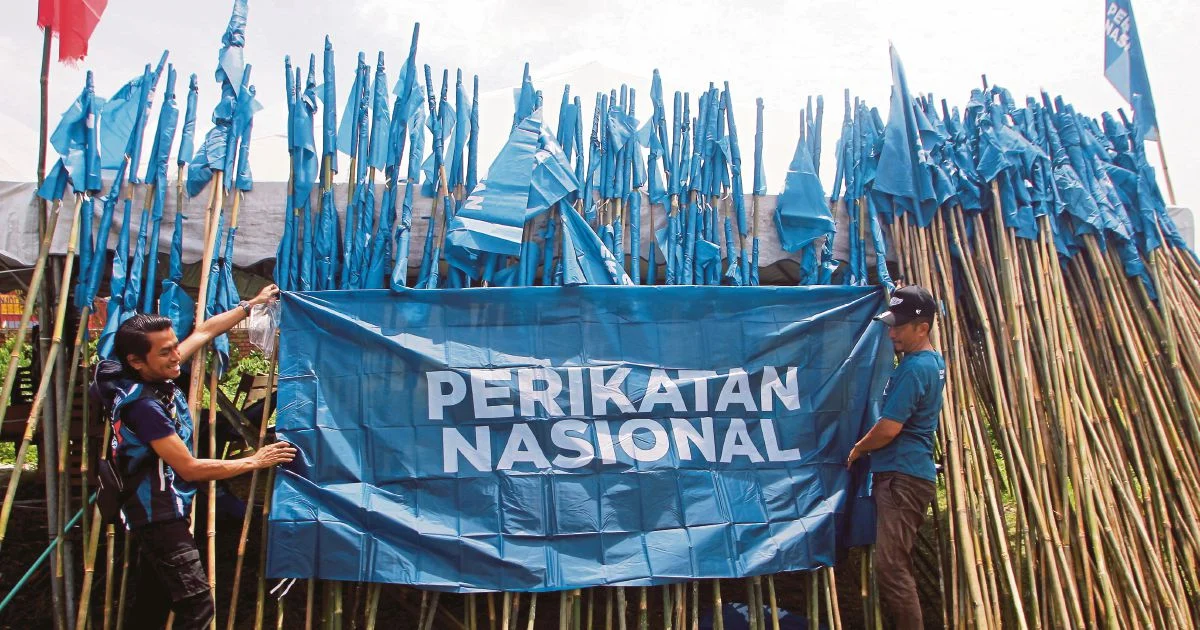
At the heart of the June 22 discussion lies the contentious matter of logo utilisation—a seemingly technical issue that carries profound implications for how Perikatan Nasional presents itself to voters. The coalition's identity hinges partly on its visual representation, and disagreements over which components can use the shared symbol versus their own distinctive marks reflect deeper anxieties about individual party autonomy within a collective framework. This dispute has festered because the coalition's constituent parties hold divergent views on how much brand association benefits their respective political fortunes.
The selection and endorsement of candidates for upcoming electoral contests represents the second pillar of the June 22 agenda. In Malaysian politics, candidate nomination processes routinely trigger internal coalition friction, as different parties joskey for advantageous positioning and seat allocations. For Perikatan Nasional, this challenge is amplified by the heterogeneous nature of its membership and the competing electoral strategies each component party pursues. Without a clear consensus framework, candidate endorsements risk becoming a flashpoint that could fracture the coalition's already-fragile cohesion.
The timing of this meeting carries significance within Malaysia's broader political calendar. As the nation approaches electoral cycles—whether state-level or federal—coalitions must crystallise their strategies or risk appearing unprepared and disorganised to the electorate. Perikatan Nasional's delay in resolving these fundamental operational questions raises questions about whether the bloc possesses the institutional maturity required to govern effectively, should it gain power.
For Malaysian voters and political observers, such internal wrangling illuminates a recurrent challenge facing opposition coalitions in the country. Unlike ruling coalitions, which can distribute ministries and resources to manage factional tensions, opposition blocs rely primarily on ideological alignment and electoral calculation to maintain discipline. When practical issues like logo usage become contentious, it suggests the underlying ideological bonds may be weaker than publicly portrayed. The Perikatan Nasional experience reflects broader difficulties that multi-party opposition movements encounter across Southeast Asia when attempting to function as coherent electoral competitors.
The Supreme Council meeting's outcome will reverberate beyond internal party dynamics. If leaders successfully forge compromise positions on both logo usage and candidate endorsements, it would signal to the grassroots membership and the broader public that the coalition possesses the negotiating capacity to function as a credible government-in-waiting. Conversely, if deep disagreements persist and require further consultations, it may undermine confidence among supporters and neutral voters who prioritise stable, unified governance.
The logo dispute particularly deserves deeper scrutiny, as it encapsulates a fundamental tension in coalition politics: balancing individual party brand preservation with collective coalition visibility. Smaller parties within Perikatan Nasional may fear that subordinating their logos to the coalition symbol erodes their distinct identity and electoral appeal to their core constituencies. Larger parties, conversely, may view a strong coalition brand as essential for attracting swing voters and floating segments of the electorate. This tension cannot be resolved through mere technical compromise; it requires genuine consensus about each party's role within the wider coalition structure.
The candidate endorsement framework poses equally thorny challenges. In Malaysia's competitive electoral landscape, securing winnable seats—particularly in state assemblies and federal parliament—determines party survival and influence. Perikatan Nasional's component parties must agree on a methodology for allocating constituencies that feels reasonably fair while also maximising the coalition's collective chances of victory. This balancing act has historically proven elusive, with parties feeling shortchanged or sidelined by nomination processes.
Regional political observers will monitor how Perikatan Nasional's deliberations influence the broader opposition landscape across Malaysia. The coalition's internal coherence or fragmentation provides insight into whether organised political alternatives to the ruling establishment remain viable. Southeast Asian opposition movements often struggle with similar questions of unity, resource distribution, and shared vision, making Perikatan Nasional's experience instructive for democratic practitioners across the region.
Looking beyond June 22, the Supreme Council must also consider whether its resolution of these immediate issues establishes sustainable governance structures. Ad-hoc compromise, while potentially satisfying short-term tensions, risks merely postponing deeper difficulties. A truly functional coalition requires institutional mechanisms that anticipate future disputes and provide established procedures for resolution without requiring emergency Supreme Council sessions. Perikatan Nasional's leadership would be wise to use this gathering not merely to address current disagreements but to construct frameworks that prevent similar fractures from emerging repeatedly.