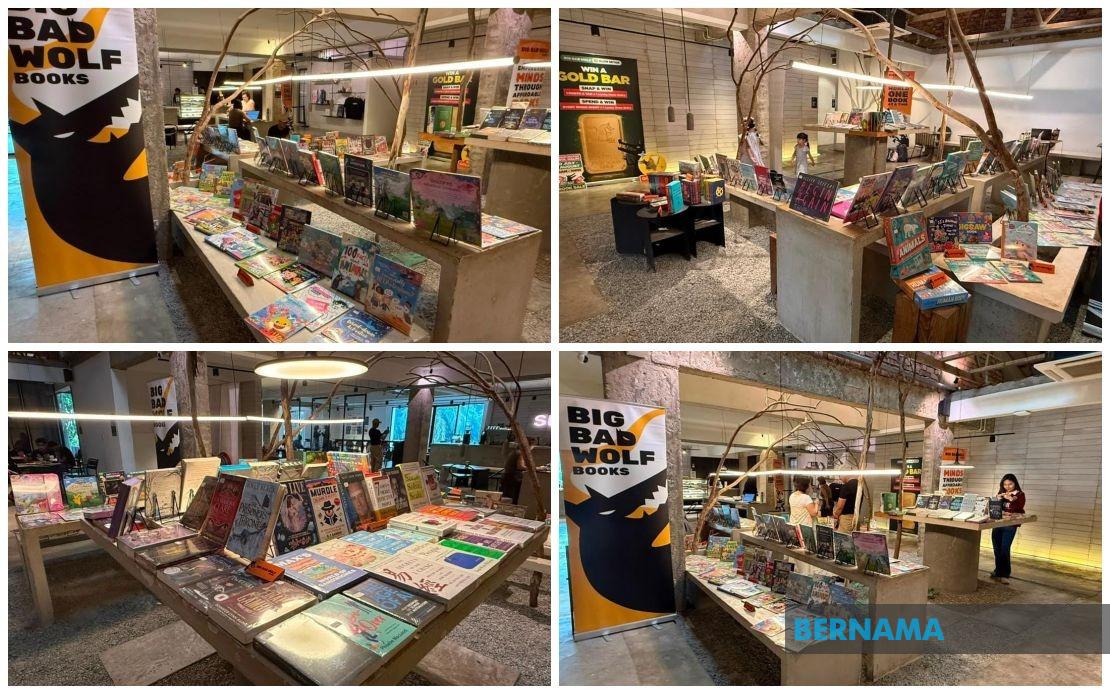
Malaysia's largest book fair, Big Bad Wolf Books, is making its return to Alor Setar next week with an expanded collection designed to broaden reading choices across the northern state. The event will run for 11 days beginning July 30 through August 9 at Sultan Abdul Halim Stadium, opening daily from 10 am to 10 pm with no admission charge for visitors. The organisers have deliberately curated a fresh inventory, with 40 per cent of the collection comprising newly acquired titles that have not been featured at previous editions of the fair.
Representative Chloe Lim Sooi Yee framed the Alor Setar staging as part of a broader commitment to nurturing reading habits throughout Kedah. Beyond merely offering discounted books, the initiative reflects a deliberate strategy to deepen literacy engagement and support the educational objectives of communities across the state. This positioning aligns with mounting concerns about declining reading rates in Malaysia, particularly among younger demographics who face increasing competition from digital entertainment and social media platforms.
The fair's most distinctive element for Kedah audiences involves the debut of a specialised collection focused on Islamic children's literature under the 'Little Ummah' brand. Lim expressed confidence that these titles, which combine age-appropriate storytelling with religious and moral education, would resonate with local families and reflect the values embraced within the predominantly Muslim state. The introduction of this category suggests organisers have invested effort in understanding the specific preferences and cultural priorities of Kedah residents.
From a purely commercial standpoint, the scale of this year's offering is remarkable. Organisers anticipate stocking approximately one million books across all categories and price points. Entry-level volumes start at just RM3, making literature accessible even to budget-conscious readers, while substantial discounts reaching 95 per cent on selected titles create genuine value for bulk purchasers and institutional buyers. These aggressive pricing strategies reflect the fair's foundational philosophy that reading should not be constrained by financial barriers.
Schools across Alor Setar and surrounding districts will receive promotional attention from Big Bad Wolf's outreach teams, with special incentive schemes designed to encourage student participation. Both pupils and educators qualify for an additional five per cent discount when purchasing at least three books, effectively subsidising classroom libraries and personal collections. This institutional engagement strategy extends the fair's influence beyond casual browsers to include educators who shape reading habits among young people.
A gamification element adds entertainment value to the shopping experience. The organisers are conducting 'spend and win' and 'snap and win' campaigns that offer visitors the prospect of winning 10-gramme gold bars. While the specific mechanics were not fully detailed in the announcement, such incentive structures have historically driven foot traffic and repeat visits to large retail events, transforming a straightforward book fair into an engaging destination experience.
The targeting of 35,000 visitors over the 11-day period represents a realistic gauge of anticipated attendance given the stadium's capacity and Kedah's population base. This projection underscores the significance of book fairs as cultural occasions that attract families, students, collectors, and casual readers seeking value. For many Malaysians, particularly those in states outside the Klang Valley where such events are less frequent, Big Bad Wolf represents a rare opportunity to access comprehensive inventory at exceptional prices.
The positioning of Big Bad Wolf as a champion of accessibility reflects broader conversations within Malaysian publishing and education sectors about equity in knowledge distribution. While urban centres enjoy relatively abundant bookstore options and library facilities, regional states like Kedah have historically faced constraints in terms of retail choice and pricing. By staging major fairs in secondary cities, the company attempts to level this imbalance and ensure that geographic location does not determine reading opportunity.
From an economic perspective, the event contributes to Alor Setar's positioning as a cultural destination within the northern corridor. Hotels, restaurants, and transport services benefit from the influx of visitors travelling to the state, while local retailers experience spillover effects. The fair also generates employment through temporary roles in setup, staffing, and logistics, providing short-term economic stimulus to the local economy during the school holidays period.
The emphasis on new titles and refreshed inventory suggests Big Bad Wolf is responding to feedback from previous regional fairs regarding repetitive stock and limited novelty. By guaranteeing that 40 per cent of inventory is new, the organisers create genuine incentive for returning visitors who might otherwise anticipate encountering identical offerings. This commitment to variation requires ongoing relationships with publishers and distributors to source diverse content that appeals across demographic segments and reading preferences.
The cultural literacy agenda articulated by the organisers addresses a substantive challenge within Malaysian education. Despite government investment in library systems and reading promotion initiatives, Malaysia's reading rates remain below regional peers in countries like Singapore and South Korea. Events like Big Bad Wolf contribute to ecosystem approaches that combine accessibility, affordability, and active promotion to gradually shift attitudes toward reading as a primary leisure and learning activity.

