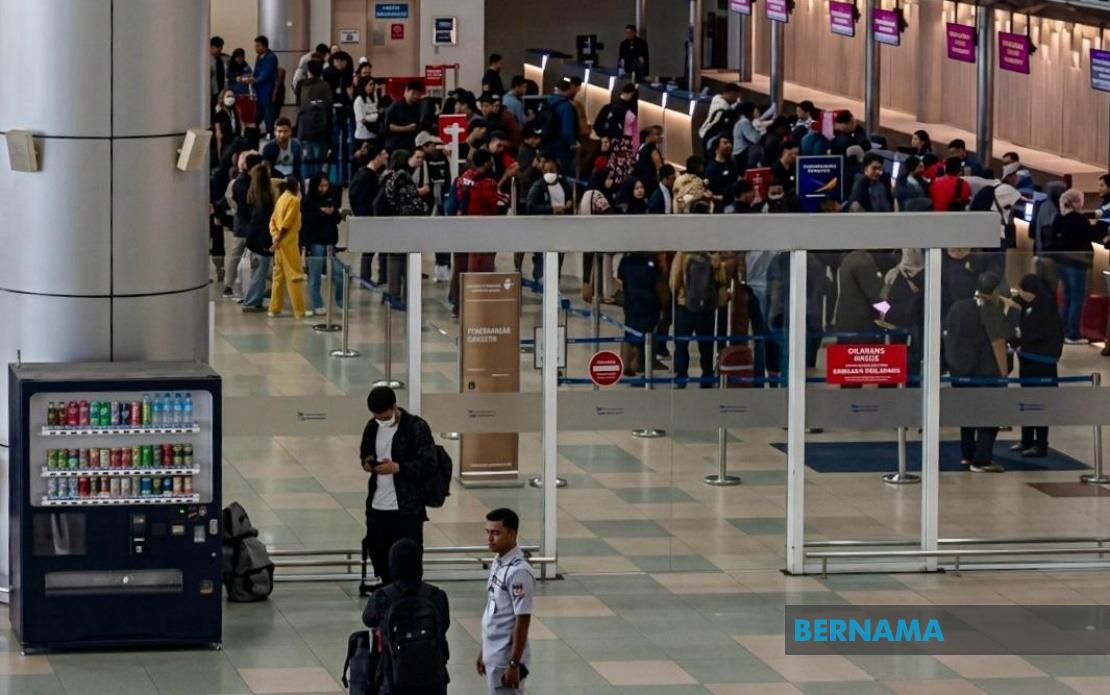
The discovery of explosives near Labuan Airport has forced authorities to shut down the critical transport hub's runway, creating immediate disruption to air services in the region. The Royal Malaysian Air Force announced the temporary closure at 5pm on June 26 after the ordnance was found approximately 150 metres from the runway perimeter, triggering a security lockdown that has halted all flight operations until further notice.
The sudden grounding of the airport's runway has immediately cascaded into operational chaos for regional carriers. A formal Notice to Airmen was issued by the RMAF, with details posted through Malaysia Airport's official communication channels. The notification alerted all pilots and flight operators that the facility would remain closed pending completion of a comprehensive safety inspection. The decision reflects standard protocol when potential threats are identified near active airfield infrastructure, where even a modest explosive device poses significant risk to aircraft during critical takeoff and landing phases.
Authorities moved swiftly to contain the situation through coordinated action between military and civilian airport personnel. The RMAF and Labuan Airport management launched a joint inspection operation immediately after the discovery, committing to reopen the runway only once thorough assessment confirms the surrounding area is secure and appropriate safety certifications have been issued. This methodical approach, while necessarily cautious, has meant extended operating hours for the inspection teams and heightened alert status across the facility.
The immediate impact on passenger services has been substantial. Flights originally scheduled to depart at 4:05pm, 5:15pm, 6:05pm, 6:15pm and 7:25pm faced cancellation or significant rerouting. Affected routes included services bound for Kuala Lumpur, Kota Kinabalu and Miri, three of the most heavily trafficked destinations from Labuan. These cancellations represent more than routine schedule disruptions—they strand business travellers, delay supply shipments to the offshore oil and gas sector, and interrupt regional connectivity that many small businesses depend upon for market access.
Labuan's strategic position as a gateway to Malaysia's federal territory and key logistics hub for Borneo operations amplifies the disruption's ripple effects across the broader region. The airport typically handles consistent traffic between Labuan and major population centres in Sabah and Sarawak, as well as connections to the federal capital. When this link shuts down, alternative routes become congested and passengers face extended journey times through circuitous connections, effectively isolating the island's commercial operations from the rest of Malaysia during the closure period.
The incident underscores ongoing security challenges in Malaysia's maritime and offshore territories. Labuan, as a financial centre and oil production hub, maintains elevated security awareness, yet the discovery of ordnance in such proximity to civilian aviation infrastructure raises questions about perimeter monitoring and detection protocols. The nature of the discovery—whether recently placed or historical remnant—remains unclear from available information, but either scenario points to vulnerability gaps in protecting critical transport infrastructure.
Passengers were directed to contact their airlines for updated schedules and rebooking arrangements as flight operations remained suspended. The lack of clarity on reopening timelines forced travellers into extended uncertainty, with some passengers potentially stranded at the airport unable to reach their intended destinations. Airlines would face complex decisions regarding aircraft positioning, crew scheduling and passenger compensation protocols while maintaining readiness for resumption whenever authorities granted clearance.
The temporary closure of Labuan Airport demonstrates how security incidents in Malaysia's less densely monitored border and maritime zones can swiftly impact national connectivity. Unlike major hubs such as Kuala Lumpur International Airport which operate with extensive security infrastructure, smaller regional airports like Labuan must balance operational efficiency with thorough threat assessment. When potential dangers emerge, the cautious approach—however economically disruptive—remains the responsible pathway, as aviation safety margins cannot be compromised for schedule adherence.
The broader implications extend beyond immediate passenger inconvenience. Labuan's role supporting offshore drilling platforms means delayed personnel rotations could affect production schedules for energy companies. Supply chains for the island's financial services sector may experience interruptions if goods movements are delayed. The ripple effects across Sabah and Sarawak's economies, while temporary, underscore how isolated infrastructure nodes can become bottlenecks when security incidents occur.
Authorities pledged further updates as the inspection progressed, indicating the temporary closure could extend significantly depending on investigation findings. The commitment to transparency—conveyed through official channels and airline communications—reflected efforts to maintain public confidence despite the operational chaos. Travellers heading to or departing from Labuan over subsequent days faced necessity to monitor airline announcements closely, as runway reopening status would determine whether subsequent flight schedules could operate as planned or face continued disruption.
The incident highlights evolving security considerations for Malaysian aviation authorities managing facilities across dispersed territories. While bomb discoveries occasionally occur at various transport nodes, the proximity to active runway operations at a civilian airport elevated this particular incident's severity and necessitated maximum precaution. The balance between operational continuity and security assurance remains delicate, and at Labuan Airport on June 26, safety considerations appropriately took absolute precedence.

