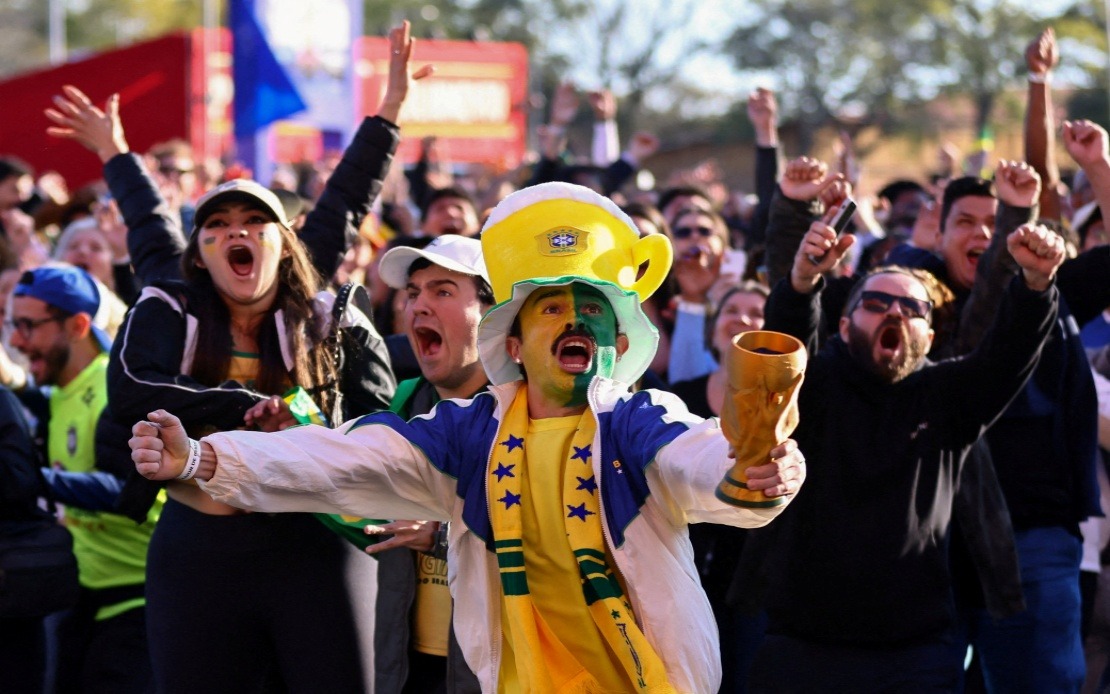
Brazil's path to the knockout stages of the 2026 FIFA World Cup proved far more arduous than anticipated when they faced Japan at Houston Stadium, ultimately requiring a dramatic late intervention to progress. The Selecao's 2-1 triumph over the Samurai Blue represents one of the tournament's most absorbing Group Stage encounters, showcasing both Japan's tactical acumen and Brazil's relentless ability to find ways to win under pressure. With this victory, Brazil advances to the Round of 16, where they will encounter either Norway or Ivory Coast in a matchup that could define their tournament trajectory.
Japan's approach throughout the opening forty-five minutes demonstrated a blueprint for containing one of world football's most celebrated attacking forces. Operating within a disciplined 5-4-1 formation, the Samurai Blue suffocated Brazil's creative ambitions, denying space in wide areas where the South American outfit typically generates attacking momentum. Despite enjoying significant possession advantage, Brazil found their passing patterns suffocated and their fluid attacking movements rendered ineffective by Japan's resolute defensive organization. Carlo Ancelotti's side possessed the ball but lacked the fluency to penetrate a formation designed specifically to frustrate their strengths.
The opening goal arrived through Japan in the 29th minute, delivered with surgical precision that vindicated their defensive strategy. Kaishu Sano capitalized on a wayward pass from Brazilian defender Danilo, launching a counter-attack that culminated in a low-driven strike from distance that evaded goalkeeper Alisson's grasp. For Sano, the moment represented a maiden international goal at the sport's grandest stage, while for Japan it signified something far greater: a genuine opportunity to achieve their first-ever FIFA World Cup knockout-stage victory. The Samurai Blue retreated into the interval with legitimate optimism, having absorbed Brazil's pressure while exploiting their defensive vulnerabilities with clinical efficiency.
The interval proved transformative for Brazil, who emerged with visibly heightened intensity and a recalibrated attacking philosophy. Rather than persisting with intricate passing combinations, Ancelotti's charges opted for more direct approaches, channelling service toward the flanks and launching sustained bombardments into Japan's penalty area. This adjustment yielded immediate dividends, with Brazilian attacks becoming increasingly difficult to repel. The pressure accumulated until the 56th minute, when midfielder Casemiro rose unopposed at the back post to direct Gabriel Magalhaes' cross beyond goalkeeper Zion Suzuki, restoring parity and energizing the substantial Brazilian contingent among Houston's spectators.
With regulation time entering its final moments and extra time appearing inevitable, Brazil delivered a psychological blow from which Japan could not recover. In the 90+5th minute, midfielder Bruno Guimaraes initiated a decisive attacking sequence, driving forward before executing a perfectly weighted pass into the penalty area for Gabriel Martinelli. The winger's composure under pressure proved decisive, squeezing his finish past Suzuki's outstretched hand in circumstances that left Japan's defensive unit devastated. The late goal encapsulated Brazil's tournament pedigree—the capacity to impose their will through sheer determination when technical excellence proves insufficient.
Japan's elimination represents a poignant conclusion to what had appeared a genuine opportunity for the Samurai Blue to transcend historical limitations. The squad had constructed genuine momentum through their Group Stage matches, and their defensive performance against Brazil illustrated a tactical sophistication that belied their perceived disadvantage against elite opposition. However, knockout football rewards not merely tactical organization but also the capacity to convert opportunities when they emerge, and Japan's inability to extend their advantage beyond the first half ultimately proved decisive. Their departure from the tournament will prompt considerable reflection regarding strategic execution and the fine margins that separate tournament progression from elimination.
Brazil's advancement, meanwhile, reinforces their status as genuine World Cup contenders despite the narrowness of their victory. The capacity to overcome a well-organized opponent through late-match intensity and technical execution aligns with historical patterns that have served the Selecao well in tournament competitions. Rather than achieving dominant performances against every opponent, Brazil increasingly demonstrates resilience and adaptability—qualities essential for sustaining extended campaigns. Their Round of 16 encounter with either Norway or Ivory Coast will present markedly different challenges, though Ancelotti's squad has now demonstrated they possess the mental fortitude to overcome adversity.
For Southeast Asian observers, the Brazil-Japan matchup carries particular resonance given the region's sporting connections and the Samurai Blue's status as Asian football's standard-bearers at the highest level. Japan's fall to Brazilian opposition, despite their resolute performance, underscores the persistent gap between continental excellence and global elite competition. The manner in which Brazil recovered from tactical disadvantage illustrates why certain nations consistently advance in World Cup tournaments regardless of apparent obstacles. As the tournament progresses toward its knockout phases, such lessons regarding composure, adaptability, and the capacity to deliver when circumstances appear unfavorable will prove increasingly valuable for remaining contenders seeking to progress toward the later stages and ultimately pursue World Cup glory.

