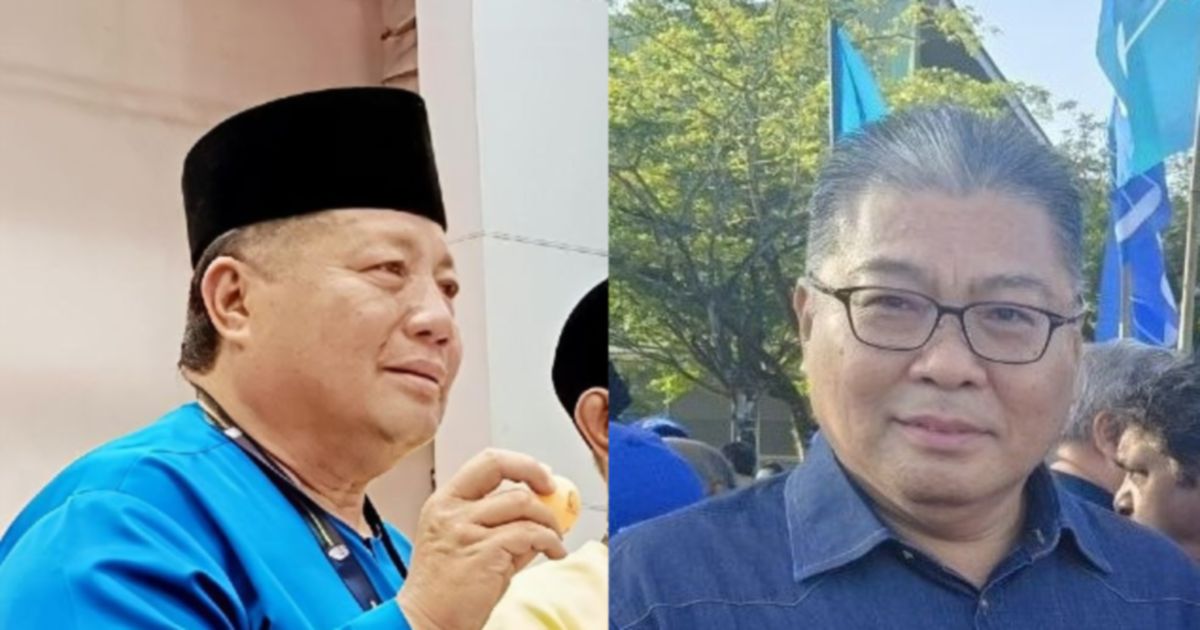
The Johor state election campaign has thrown a spotlight on the enduring tension between political loyalty and family bonds, with Datuk Maulizan Bujang, a former chief of the Tebrau Umno division, openly extending his goodwill toward his younger brother Mazlan's candidacy despite the two men representing competing political coalitions in the crucial Kahang constituency.
This unconventional display of familial support underscores a broader phenomenon in Malaysian politics, where deeply personal relationships sometimes supersede the partisan allegiances that traditionally define electoral contests. The Bujang brothers' situation is particularly noteworthy because it emerges from a region—Johor—where intra-coalition tensions have historically run high and where the distinction between Barisan Nasional and opposition camps has traditionally carried considerable weight in determining campaign dynamics and voter sentiment.
Mazlan Bujang's decision to contest under Perikatan Nasional, a coalition that includes Parti Islam Se-Malaysia and Bersatu, places him directly at odds with the Umno-dominated establishment that his elder brother has long served. The Kahang seat represents a battleground where these competing political forces are vying for control, making the public backing from a respected Umno figure all the more remarkable. In a landscape where party discipline and factional loyalty are typically non-negotiable, such cross-party endorsements remain comparatively rare and often invite scrutiny from party leadership.
The significance of this endorsement extends beyond mere sentimentality. Datuk Maulizan's position as a former Tebrau Umno division chief carries considerable weight within party circles and among grassroots supporters in the region. His willingness to publicly wish his brother well, despite the political gulf between them, sends a message that transcends the immediate contest in Kahang. It suggests that even within the intensely competitive environment of state elections, personal integrity and family honour can take precedence over partisan considerations.
The Johor election itself represents a critical juncture for both Barisan Nasional and Perikatan Nasional. After years of political turbulence at the national level, both coalitions are determined to demonstrate electoral viability and secure mandates in this economically significant state. The contest has attracted considerable attention from party hierarchies in Kuala Lumpur, with senior leaders from both camps making regular campaign appearances. This elevated profile makes the Kahang constituency a microcosm of larger national political struggles.
For voters in Kahang, the Bujang brothers' situation presents a compelling backdrop to what might otherwise be a routine electoral choice. Rather than framing the contest purely in terms of coalition performance or policy platforms, the family dimension introduces questions about personality, integrity, and individual merit. This humanises the political process in ways that formal campaign rhetoric often cannot achieve, potentially allowing voters to assess candidates on grounds beyond party affiliation.
The phenomenon of family members across opposing political lines is not entirely new in Malaysian politics, yet it remains sufficiently uncommon to warrant attention. In a system where political parties often demand absolute loyalty and where career advancement frequently depends on unswerving adherence to party directions, public displays of support for candidates from rival camps expose the artificial nature of some political divisions. They reveal that behind the rhetoric of competing ideologies and policy frameworks, Malaysian politics often operates on more personal and pragmatic foundations.
Matters become more complex when considered from an organisational perspective. While Datuk Maulizan's personal endorsement of Mazlan is legally and politically permissible, it may generate discomfort among Umno's campaign machinery in Johor. Party officials tasked with mobilising voters against Perikatan Nasional candidates might view such fraternal support as undermining their efforts, even if they cannot directly prevent a former division chief from expressing private sentiments. The tension between respecting individual autonomy and maintaining campaign coherence is a perennial challenge for large political organisations.
Regionally, the Kahang race reflects broader shifts in Johor's political landscape. The state, long considered a Barisan Nasional stronghold, has experienced growing competition from Perikatan Nasional, particularly following internal Umno tensions and the rise of Bersatu as a significant political force. The contest between the Bujang brothers encapsulates this competition in microcosm, with each sibling representing distinct visions of how Johor should be governed and by whom.
For Malaysian observers watching broader political developments, the Bujang brothers' situation offers a reminder that electoral politics, despite its often-acrimonious nature, exists within a social fabric where personal relationships retain genuine meaning. Whether this ultimately benefits Mazlan's campaign prospects remains uncertain; voter decisions typically depend on multiple factors beyond sympathetic gestures from prominent figures. Nevertheless, the willingness of Datuk Maulizan to wish his brother well demonstrates that even in competitive political environments, dignity and human connection need not be entirely sacrificed to partisan allegiance.
The outcome in Kahang will tell whether such principled displays of family support translate into electoral advantage or whether voters ultimately prioritise coalition performance and policy considerations over the personal dimension of a candidate's candidacy. Regardless of the result, the Bujang brothers' contest exemplifies how Malaysian politics continues to operate at the intersection of ideology, organisation, and intimate personal relationships.

