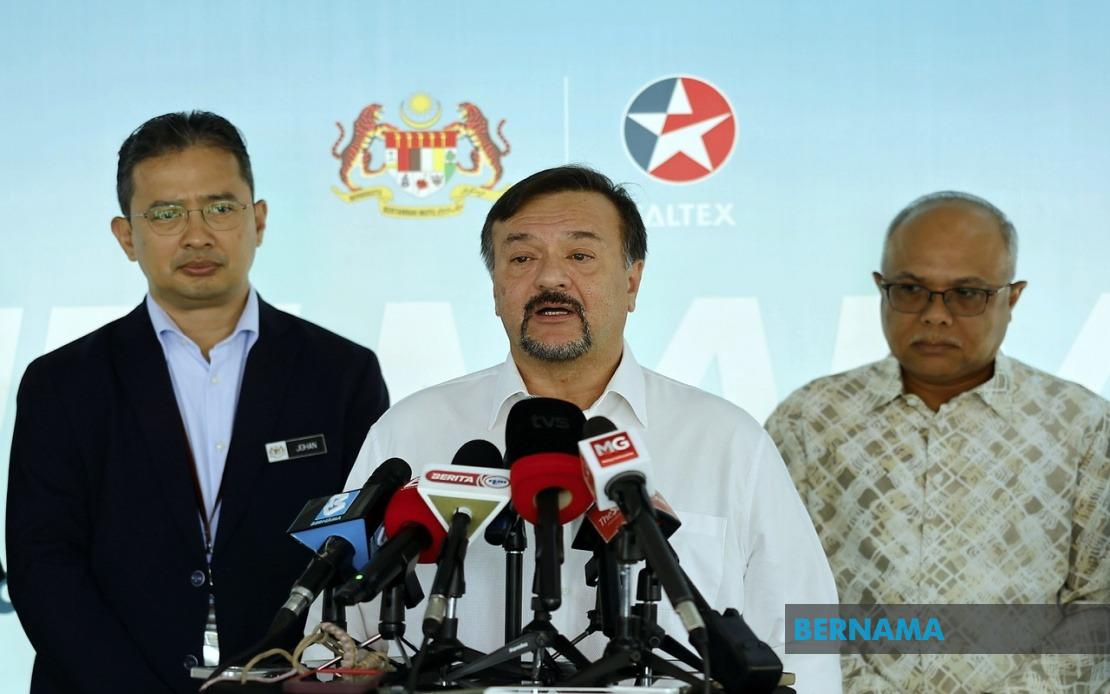
The Malaysian government has formally commenced its consultation process for the 2027 Budget, with Finance Minister II Datuk Seri Amir Hamzah Azizan confirming that collaborative sessions between the Ministry of Finance and relevant agencies are now gathering feedback from stakeholders across the nation. This early engagement phase represents the government's methodical approach to building a budget that reflects diverse perspectives before its scheduled parliamentary presentation in October.
The consultation framework reflects a deliberate strategy to ensure fiscal policy remains grounded in the MADANI Economy philosophy, which seeks to simultaneously expand economic opportunity at the upper end whilst strengthening the foundation for ordinary Malaysians. By initiating these sessions months ahead of the October tabling, policymakers are signalling their intent to create a comprehensive spending plan rather than one drafted in isolation by Treasury officials.
Amir Hamzah underscored that the 2027 Budget will remain anchored in the MADANI Economy approach, which represents the government's broader vision for achieving developed-nation status by 2030. This framework emphasises dual objectives: raising the "ceiling" to enhance competitiveness and innovation capacity, whilst lifting the "floor" through targeted support that expands economic participation across society. The language reflects recognition that sustainable growth requires both high-performing sectors and inclusive opportunity structures.
Beyond the foundational MADANI framework, the government is integrating several recently unveiled strategic initiatives into its budget planning. The 13th Malaysia Plan provides long-term development direction, whilst the National Semiconductor Strategy positions Malaysia within crucial global technology supply chains. The National Energy Transition Roadmap, meanwhile, reflects commitments to environmental sustainability and economic diversification away from traditional energy dependency. These interlocking strategies indicate a sophisticated, multi-layered approach to policy formulation rather than siloed budgeting.
For Malaysian observers, this integration of multiple policy streams into budget preparation matters considerably. It suggests that spending decisions will evaluate proposals against multiple strategic criteria simultaneously: whether investments advance semiconductor capabilities, whether they support energy transition goals, and whether they meaningfully improve economic inclusion. This creates a more rigorous filtering mechanism than conventional line-item budgeting.
The scale of previous fiscal planning provides perspective on the magnitude involved. Budget 2026 commanded RM419.2 billion in total resources, split between RM338.2 billion in operational spending and RM81 billion in development investment. Additionally, the government mobilised RM50.8 billion in capital from government-linked companies, statutory bodies, and public-private partnerships. Understanding these parameters helps contextualise the scope of the 2027 discussions taking place nationwide.
Amir Hamzah deliberately avoided detailed budget previews during his remarks, maintaining transparency about budget parameters whilst respecting the parliamentary process. This restraint suggests the government wants to present its full fiscal package without piecemeal announcements that could distort public expectations or parliamentary deliberation. The minister emphasised consistency in governmental approach rather than suggesting major departures from established direction.
The nationwide engagement sessions carry particular relevance for regional readers assessing Malaysia's economic trajectory. These consultations offer early signals about government spending priorities, sectoral confidence levels, and policy emphasis shifts. Whether engagement sessions emphasise manufacturing, services, agriculture, or digital transformation indicates where policymakers perceive competitive advantage and growth potential. Similar budget preparation processes across Southeast Asia often reveal each country's strategic bets and sectoral priorities.
The timing of these consultations—launching in early July for an October presentation—reflects standard practice that provides three-month lead time for parliamentary processes and public communication. This calendar allows ministries to articulate how budget allocations serve their mandates whilst giving stakeholders time to understand the overall fiscal strategy. For Malaysian businesses, investors, and development practitioners, this timeline defines when budget impacts become concrete policy rather than aspiration.
For Malaysia specifically, the MADANI Economy emphasis carries implications across sectors. It suggests continued government investment in education, infrastructure, and innovation capacity alongside safety-net provisions for vulnerable groups. The semiconductor strategy dimension indicates particular emphasis on high-value manufacturing and technology positioning. The energy transition commitment signals sustained resource allocation toward renewable capacity, grid modernisation, and industrial decarbonisation.
The engagement process also reflects evolving governance practice in Malaysia. Rather than finance ministry officials producing budgets based solely on departmental submissions and economic data, the current approach explicitly seeks broader input. This consultative model, whether fully realised or partially symbolic, represents a shift toward more transparent budget formation compared to historical practices where Treasury decisions remained opaque until parliamentary presentation.
As the sessions progress through mid-year, various interest groups—business associations, trade unions, civil society organisations, and sectoral representatives—will present their priorities to Ministry of Finance officials. The extent to which these inputs influence final budget allocations versus serving primarily informational roles will reveal much about the consultation process's substantive impact. Malaysian stakeholders will be watching whether their engagement efforts translate into tangible spending reorientations or whether the process largely confirms predetermined priorities.
The government's emphasis on consistency with established policy direction suggests the 2027 Budget will largely maintain current trajectories rather than signal dramatic shifts. This provides stability for medium-term planning by private sector actors and state enterprises, though it may disappoint those advocating for more fundamental policy reorientations. The balance between continuity and responsiveness to emerging needs will ultimately define whether the consultation process produces a forward-looking budget or primarily validates existing commitments.

