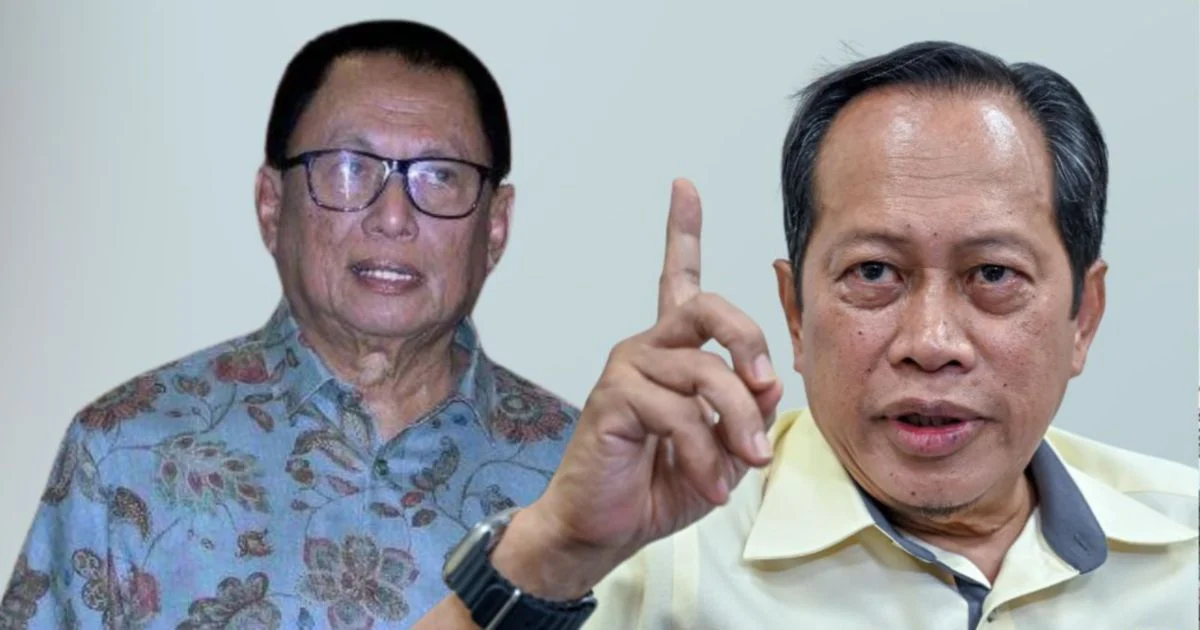
In remarks made in Johor Baru, Datuk Seri Ahmad Maslan, the deputy chairman of Umno in Johor, has cautioned his party colleagues against expecting rapid advancement in politics, emphasising instead that the development of effective leadership is an extended undertaking requiring genuine commitment and accumulated experience.
Maslan's intervention appears aimed at tempering unrealistic expectations among younger party members or those aspiring to higher office, particularly regarding election candidacies. The message underscores a tension within Umno between veteran cadres who see politics as a career built through patient service and rising figures eager to assume significant roles. By framing political progression as a marathon rather than a sprint, Maslan articulates a philosophy that values institutional loyalty and gradual skill-building.
The distinction is meaningful in Malaysian party politics, where the question of succession and the emergence of new leaders has long been contentious. Umno, as the dominant component of the Barisan Nasional coalition and a major force in federal and state governance, has historically promoted leaders through structured channels, though this system has faced criticism for both enabling patronage and occasionally stifling fresh voices. Maslan's remarks suggest that the party views the cultivation of new talent as incompatible with expedited pathways.
Experience, in Maslan's framing, functions as both a prerequisite and a validator of readiness. This perspective aligns with traditional hierarchical structures within Umno, where seniority and tenure in party roles have customarily determined eligibility for nomination as electoral candidates. The emphasis on commitment signals that advancement requires consistent engagement with party activities, grassroots mobilisation, and adherence to organisational discipline—elements that cannot be compressed into shorter timeframes.
For Johor specifically, where Umno remains a formidable political force at both state and federal levels, the message carries particular weight. The state has historically served as a training ground for national political figures, and the composition of its elected representatives and appointed leaders shapes the broader trajectory of the party. By insisting that shortcuts do not exist, Maslan effectively reinforces gatekeeping mechanisms that preserve the influence of established power structures.
The caution against seeking quick routes to candidacy suggests that some individuals or factions within Johor Umno may have been attempting to bypass conventional progression channels. This could reflect generational tensions, aspirations from businesspeople or professionals entering politics, or attempts by particular groups to secure nominations for upcoming state or federal elections. Such pressures are not unique to Umno and exist across Malaysian political parties, but Maslan's public articulation of standards suggests the issue has sufficient prominence to warrant formal clarification.
Understanding the Malaysian electoral context enriches the significance of these remarks. General elections, both federal and state, occur periodically and generate intense competition for candidacies, as these positions offer pathways to legislative office and the resources and prestige that accompany them. In the interval between elections, tensions over future nominations can destabilise party unity. Maslan's emphasis on patience and proper procedures may therefore serve a stabilising function, signalling that the party leadership will maintain discipline and predictability in selection processes.
The broader implications extend beyond Umno to the Malaysian political ecosystem. As the country navigates a period of heightened political fluidity—characterised by coalition shifts, defections, and evolving voter preferences—parties face competing pressures. On one hand, they must retain institutional gravitas and demonstrate strong governance credentials. On the other, they must appear dynamic and willing to introduce new faces to retain youth engagement and combat perceptions of entrenched elitism. Maslan's position prioritises institutional coherence over rapid renewal.
For aspiring politicians in Johor and beyond, the message is unambiguous: formal structures and accumulated standing matter. Whether this approach ultimately benefits Umno by preserving institutional wisdom or constrains the party by limiting meritocratic advancement remains a live question. However, Maslan's public intervention suggests that the party leadership views the reinforcement of traditional pathways as essential to maintaining order and ensuring that those who attain leadership positions possess the foundational experience deemed necessary for effective governance.
The framing of politics as a marathon invites reflection on what timescales and metrics should govern political advancement. Maslan's argument implicitly contends that patience yields better outcomes—that rushed promotion of inexperienced figures risks poor governance and internal instability. This conservative position may resonate with long-serving party members but could frustrate newer recruits or those from non-traditional political backgrounds who feel that experience requirements operate as exclusionary barriers. The tension between these perspectives will likely remain a feature of Umno's internal dynamics.

