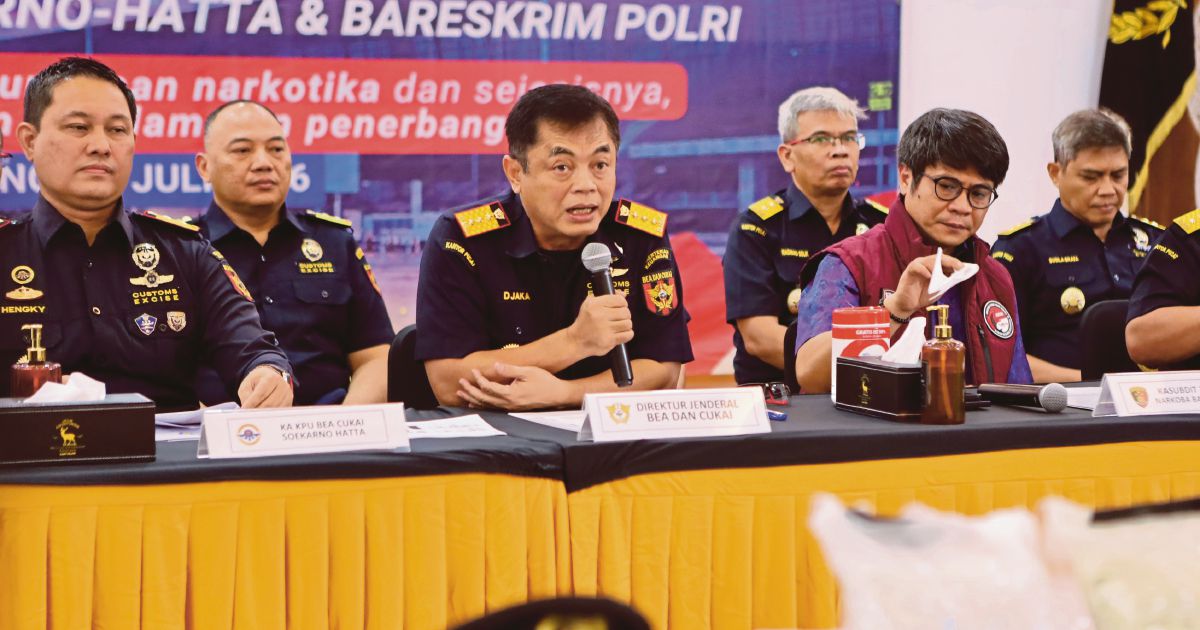
The Civil Aviation Authority of Malaysia (CAAM) has initiated a formal investigation into whether standard aviation security protocols were properly enforced following the arrest of a Malaysia Airlines pilot in Jakarta on allegations of drug smuggling. The incident has triggered a comprehensive review across the national carrier's operations and has prompted broader scrutiny of security measures at regional airports, particularly regarding personnel screening and in-flight procedures.
The case underscores the critical importance of robust vetting systems within the aviation industry, where employees enjoy considerable access to restricted areas and operate under conditions of significant public trust. A breach in personnel integrity poses not only a direct law enforcement concern but also threatens the operational credibility of Malaysia's aviation sector, which has worked assiduously over recent years to rebuild international confidence following earlier incidents. The investigation will likely examine whether existing background checks, random testing protocols, and monitoring mechanisms were adequate to detect warning signs before the alleged misconduct occurred.
CAAM's review will extend beyond the immediate circumstances of the arrest to encompass systemic weaknesses that may exist across the industry. Investigators are expected to scrutinise hiring procedures, the frequency and scope of drug testing among flight crews, security clearance protocols for personnel accessing airport operations areas, and the effectiveness of incident reporting mechanisms. The examination will also consider whether Malaysia Airlines' internal compliance frameworks were sufficiently stringent to identify employees engaging in prohibited activities, and whether communication channels between the airline and regulatory authorities functioned effectively.
The timing of the arrest in Jakarta rather than at a Malaysian airport raises particular questions about whether security lapses occurred domestically before the pilot's detention by Indonesian authorities. This geographical dimension suggests that the individual may have departed Malaysia without triggering alerts from existing monitoring systems, indicating potential gaps in pre-departure screening or coordination with ground staff. Such oversights could reflect resource constraints, procedural gaps, or inadequate training among personnel responsible for enforcing security regulations.
International aviation bodies, including the International Air Transport Association (IATA) and the International Civil Aviation Organization (ICAO), have established comprehensive standards for personnel security that member states are expected to implement. Malaysia, as a signatory to these conventions, is obligated to maintain security standards that prevent the misuse of air transport for illegal activities. CAAM's investigation will therefore need to assess compliance with these international benchmarks and identify any deviations that contributed to this breach.
The incident carries significant implications for Malaysia Airlines' reputation and operational oversight. The national carrier has substantial strategic importance within Malaysia's tourism and economic fabric, and any security vulnerabilities could prompt increased scrutiny from foreign regulators and international aviation partners. Airlines depend on maintaining public confidence, and personnel misconduct directly undermines traveller assurance and can trigger restrictive measures from overseas authorities concerned about Malaysia's security posture.
Regional aviation authorities are likely monitoring developments closely, as security standards across Southeast Asia remain uneven and vulnerable points in one country's systems can create risks throughout the region's airspace. If Malaysia's protocols are found wanting, there could be pressure for enhanced monitoring of Malaysian carriers by neighbouring countries or additional restrictions on certain route authorisations. Conversely, a thorough investigation and demonstration of corrective action could reinforce Malaysia's commitment to maintaining high safety and security standards.
The investigation process itself will require coordination between multiple agencies, including the Royal Malaysia Police, Malaysia's anti-narcotics task forces, and aviation security specialists. The collaboration will need to balance the need for swift regulatory action with thorough fact-finding, ensuring that any systemic reforms implemented are evidence-based and sustainable. Preliminary findings will likely influence Malaysia Airlines' immediate personnel policies, including expanded testing protocols and enhanced monitoring of employee movements through restricted zones.
Beyond the immediate regulatory response, this incident serves as a reminder of the ongoing challenges in maintaining comprehensive security across complex aviation ecosystems. Personnel security—often overshadowed by attention to passenger screening and baggage handling—remains critical to aviation integrity. The incident demonstrates that even in a regulated industry with established baseline standards, determined individuals may identify or exploit vulnerabilities. Successful security requires not only robust procedures but also a culture of compliance and awareness among staff at all levels.
As the investigation unfolds, Malaysia's aviation community will await CAAM's recommendations with considerable interest. The findings are expected to inform policy adjustments across the sector, potentially extending beyond Malaysia Airlines to encompass industry-wide best practices. The scope of any reforms will signal the seriousness with which the regulator views the breach and the government's commitment to maintaining aviation security standards consistent with international expectations and the confidence of both domestic travellers and international aviation partners.

