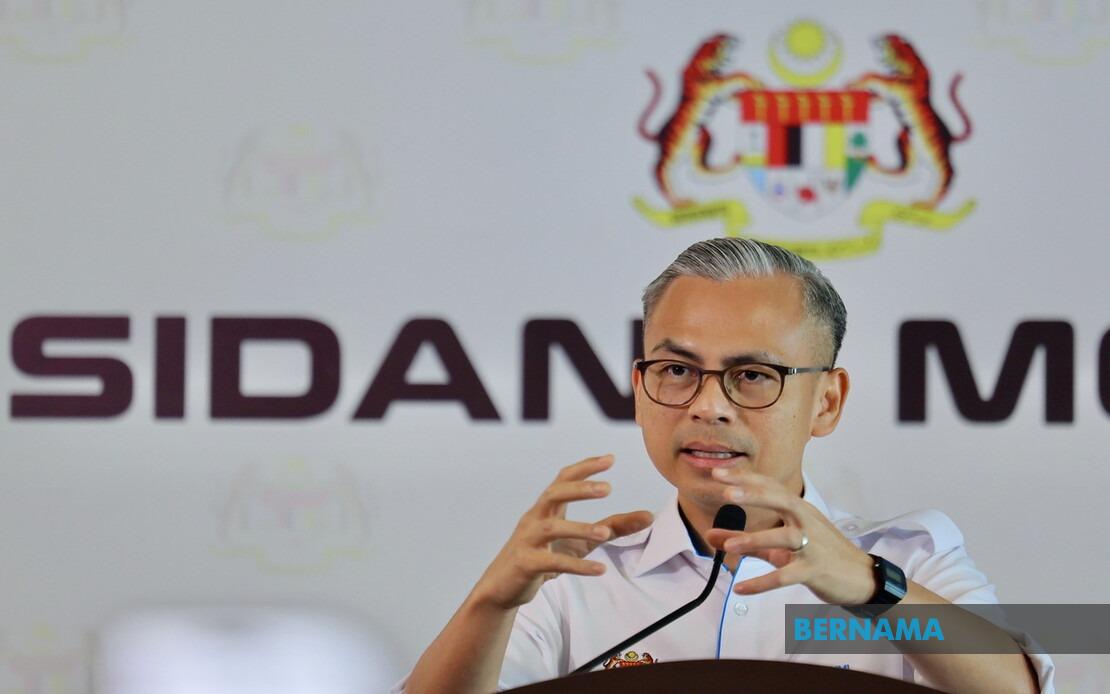
The Malaysian government is moving swiftly to tackle mounting pressures from industries dependent on foreign labour, with a dedicated Cabinet Committee meeting scheduled for next week to address the multifaceted crisis. Deputy Prime Minister Datuk Seri Dr Ahmad Zahid Hamidi will chair the session, which emerges from deliberations at a full Cabinet meeting led by Prime Minister Datuk Seri Anwar Ibrahim on Wednesday. Communications Minister Datuk Fahmi Fadzil announced the development at his regular press briefing in Putrajaya, framing the initiative as part of the MADANI Government's commitment to comprehensive problem-solving on workforce matters.
The decision reflects growing urgency across Malaysia's economic landscape, where several labour-dependent sectors are experiencing acute staffing difficulties. The food and beverage industry has become a particular focal point, though the committee's remit extends more broadly to encompass foreign worker policies affecting multiple industries. This widened scope suggests policymakers recognise that isolated sectoral solutions will prove inadequate, and that a coordinated national approach anchored at Cabinet level is necessary to prevent cascading economic disruptions.
Fahmi's comments indicate the government appreciates the gravity of manpower constraints currently limiting business operations and economic growth. Rather than allowing ad-hoc decision-making to persist, the administration is establishing formal mechanisms to evaluate policy options systematically. The choice to position Ahmad Zahid as chair carries significance, elevating the foreign worker question to one demanding sustained attention from the government's second-highest office.
For Malaysia's F&B sector specifically, the labour shortage has become increasingly constraining. Restaurants, hotels, and hospitality businesses have struggled to maintain full operations amid persistent difficulties recruiting and retaining staff, both Malaysian and foreign. The pandemic accelerated labour departures and discouraged new recruitment, effects that have persisted as demand recovered faster than supply. Pricing pressure, reduced service quality, and operational compromises have become routine across the industry, undermining competitiveness and customer experience.
The upcoming committee meeting will likely examine several policy avenues. These could include reviewing visa requirements and processing timelines for foreign workers, adjusting quotas by sector, evaluating salary standards and working conditions to improve recruitment and retention, and assessing enforcement of illegal worker penalties. The committee may also consider whether existing bilateral labour agreements with source countries require renegotiation, and whether simplified pathways for high-demand occupations could ease bottlenecks.
Beyond the immediate F&B sector, the broader foreign worker question extends throughout Malaysia's economy. Manufacturing, construction, agriculture, domestic work, and healthcare all depend substantially on foreign labour, yet face varying degrees of regulatory constraint and worker availability. A unified policy framework could establish consistent principles across these diverse sectors while permitting targeted adjustments reflecting each sector's unique circumstances and constraints.
The timing of this committee's establishment is noteworthy given Malaysia's economic environment. Growth momentum has softened, and removing labour-supply frictions could provide meaningful stimulus to productivity and business expansion. Industries operating below capacity due to insufficient workers represent untapped economic potential; unlocking that capacity through pragmatic foreign worker policies could contribute meaningfully to the government's growth objectives.
However, the committee will also grapple with legitimate considerations regarding labour market impacts on Malaysian citizens. Policymakers must balance openness to foreign workers against obligations to prioritise Malaysian employment, wage protection, and skills development. This tension requires careful navigation; policies that are too restrictive may strangle growth and competitiveness, while excessive foreign worker recruitment could suppress wages and opportunity for Malaysian workers in certain occupations.
Southeast Asian context matters here as well. Thailand, Vietnam, and Indonesia face similar labour-supply challenges and have adopted varied regulatory approaches. Malaysia's decisions will influence regional competition for workers and investment. Demonstrating an ability to manage labour policy pragmatically while protecting workers' rights and Malaysian interests could enhance Malaysia's reputation as a stable, business-friendly destination.
The Cabinet's decision to elevate this matter reflects understanding that piecemeal sectoral lobbying has failed to produce coherent policy evolution. Establishing a formal committee with clear Cabinet mandate and high-level leadership creates accountability and decision-making authority that diffuse departmental processes cannot match. The one-week timeline, while compressed, signals the government recognises urgency and intends prompt action rather than indefinite study.
Stakeholders across affected industries will now focus on the committee meeting, anticipating both immediate measures and longer-term policy direction. The F&B sector particularly will await clarity on whether visa pathways, quotas, or administrative procedures will shift to ease recruitment. Early indications of policy intent could immediately influence business planning and investment decisions.
The government faces a genuine policy challenge with no perfect solution. Excessive restrictions on foreign workers will continue hampering growth and competitiveness; excessive openness risks negative labour market consequences for Malaysian citizens. The committee's work will require balancing competing legitimate interests while maintaining policy coherence across Malaysia's diverse economic sectors. Its success will depend on whether participants approach the question as a technical economic challenge requiring pragmatic solutions, or allow it to become hostage to political or ideological positioning.

