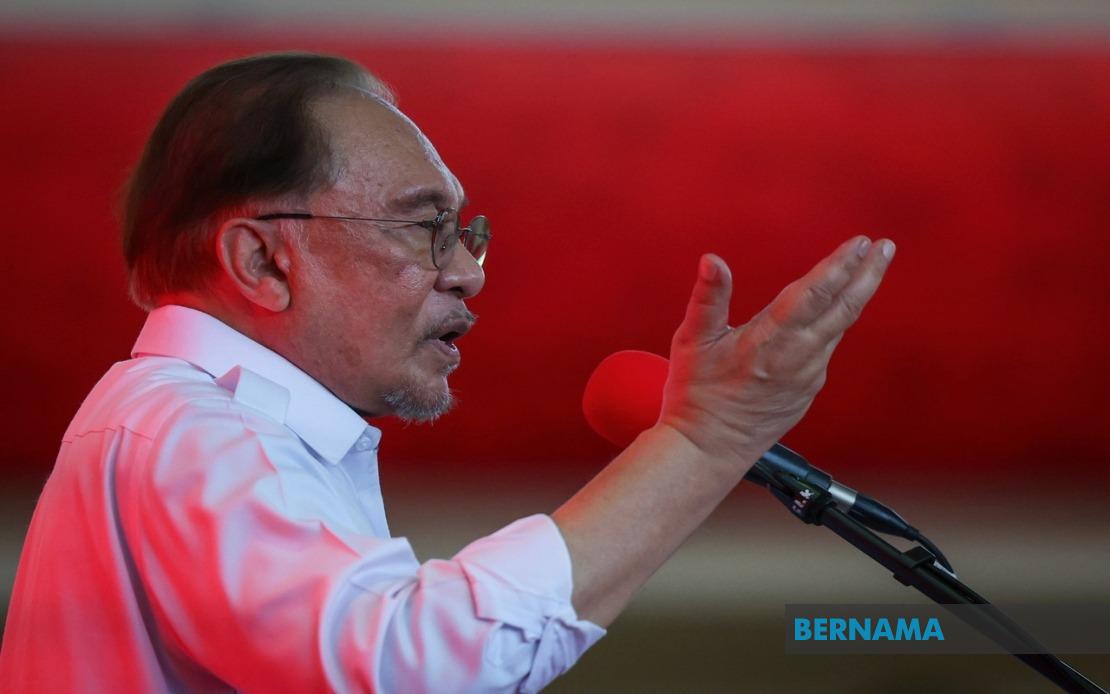
The Malaysian Cabinet is poised to make a significant decision this week on whether to publicly release the Royal Commission of Inquiry report examining Lembaga Tabung Haji (TH), according to Prime Minister Datuk Seri Anwar Ibrahim. Speaking in Tampin on Saturday, Anwar indicated that the sensitive matter would be tabled at the weekly Cabinet meeting, where ministers will deliberate and determine the path forward regarding the document's disclosure to the public.
The announcement marks a potential turning point in a controversy that has generated considerable debate within government circles and among Malaysians concerned about the governance of the Islamic pilgrimage fund. Anwar emphasised that public transparency should prevail once a decision is made, adopting a principled stance that if the investigation reveals no wrongdoing, authorities should defend their actions openly, and conversely, if misconduct is found, the legal system must pursue prosecutions appropriately.
The Prime Minister's remarks underscored the constitutional separation of powers that underpins Malaysia's governance structure. Anwar clarified his position as the head of government, noting that his responsibility extends to upholding integrity and respecting established legal and constitutional frameworks rather than interfering in investigative, prosecutorial, or judicial functions. This explicit delineation reflects an attempt to depoliticise the matter and ensure it proceeds through proper institutional channels without executive interference. He stressed that investigations fall under investigating authorities, prosecutions under the Attorney General, and judgments under the courts—a tripartite system where the Prime Minister plays no direct role.
Tabung Haji has faced mounting scrutiny over allegations concerning the sale of its strategic assets. The inquiry conducted by the Royal Commission sought to examine these claims and establish the facts surrounding the transactions in question. For many in the Muslim community, the fund holds considerable significance as it manages savings and facilitates the hajj pilgrimage, one of Islam's Five Pillars. Questions about its financial management therefore resonate beyond administrative circles and touch on matters of public trust and religious stewardship.
Anwar's comments this week represent a shift from his earlier position. Last Thursday, he had indicated that the government was ready to release the report imminently, contingent upon consultation with the Chief Secretary to the Government regarding whether Cabinet approval was required before disclosure. This incremental approach reflects the complex considerations involved—balancing transparency with procedural correctness, and ensuring that the release of the inquiry's findings does not complicate any subsequent legal proceedings that may arise from the investigation's conclusions.
The presence of senior government officials at the Tampin event, including Chief Secretary Tan Sri Shamsul Azri Abu Bakar, Deputy Defence Minister Adly Zahari, Armed Forces Chief General Tan Sri Malek Razak Sulaiman, and Army Chief General Tan Sri Azhan Md Othman, suggested the administrative machinery was actively engaged in preparing for the Cabinet discussion. These officials would likely be instrumental in reviewing the report and advising on its release, particularly given the Chief Secretary's custodial role over government documents and procedures.
For ordinary Malaysians and those with connections to Tabung Haji, the impending decision carries real consequences. A transparent release of the RCI findings could either reassure the public that the fund's management is sound or expose systemic failures requiring remedial action and accountability. The stakes extend to institutional credibility—how the government handles this disclosure will significantly influence public confidence in its commitment to governance reform and fighting corruption, both priorities Anwar has championed since taking office.
The broader context involves Malaysia's ongoing efforts to strengthen its governance framework following years of political turbulence and corruption concerns. The willingness to commission an RCI and consider making its findings public aligns with promises of greater accountability and transparency. However, the deliberation required before release also highlights the practical tensions between these ideals and institutional caution regarding potential legal complications or sensitive findings that might implicate individuals in positions of authority.
Regional observers view how Malaysia manages such governance issues with interest, particularly given the country's role as a significant economy in Southeast Asia and a key player in Islamic finance. The handling of the Tabung Haji matter may signal to international stakeholders whether Malaysia is serious about institutional reforms and holding officials accountable. Transparency in public inquiries has become increasingly important for countries seeking to maintain investor confidence and diplomatic standing.
The Cabinet meeting scheduled for Wednesday will therefore represent a watershed moment. Anwar's framing of the decision as straightforward—release the report and let the facts speak for themselves—suggests he believes transparency serves the national interest. Yet the preceding consultation indicates complexity beneath the surface, whether procedural, legal, or political. The coming days will reveal whether the Cabinet collectively agrees with the Prime Minister's reasoning or whether concerns about the report's implications prompt a more cautious approach.
Regardless of Wednesday's outcome, the episode demonstrates the intricate choreography required when government conducts inquiries into sensitive matters. The Tabung Haji RCI report has already consumed considerable political energy and public interest. Its eventual release, whenever that occurs, will inevitably attract scrutiny and potentially spark further debate about institutional accountability and reform. For now, Malaysians await the Cabinet's decision, aware that the next few days will likely determine whether the inquiry's conclusions remain confined to government circles or become part of the public record.

