Cambodia's National Police have mobilised investigators alongside the Child Protection Unit to examine two separate and unconnected child deaths discovered within hours of each other in Banteay Meanchey province on July 28. The discovery of the two young victims has prompted what authorities describe as comprehensive homicide investigations, with senior officials pledging to pursue the cases with full investigative resources.
The first body, a 15-month-old child, was located in a pond in Mongkol Borei district at approximately 8am on July 28. Hours later the same day, the body of a five-year-old was recovered from Teuk Thla commune. This second child had been reported missing on July 25, adding an additional investigative dimension to the case. While both discoveries occurred on the same day and in the same province, authorities have been clear that the two deaths appear unrelated and are being pursued as separate homicide inquiries rather than linked incidents.
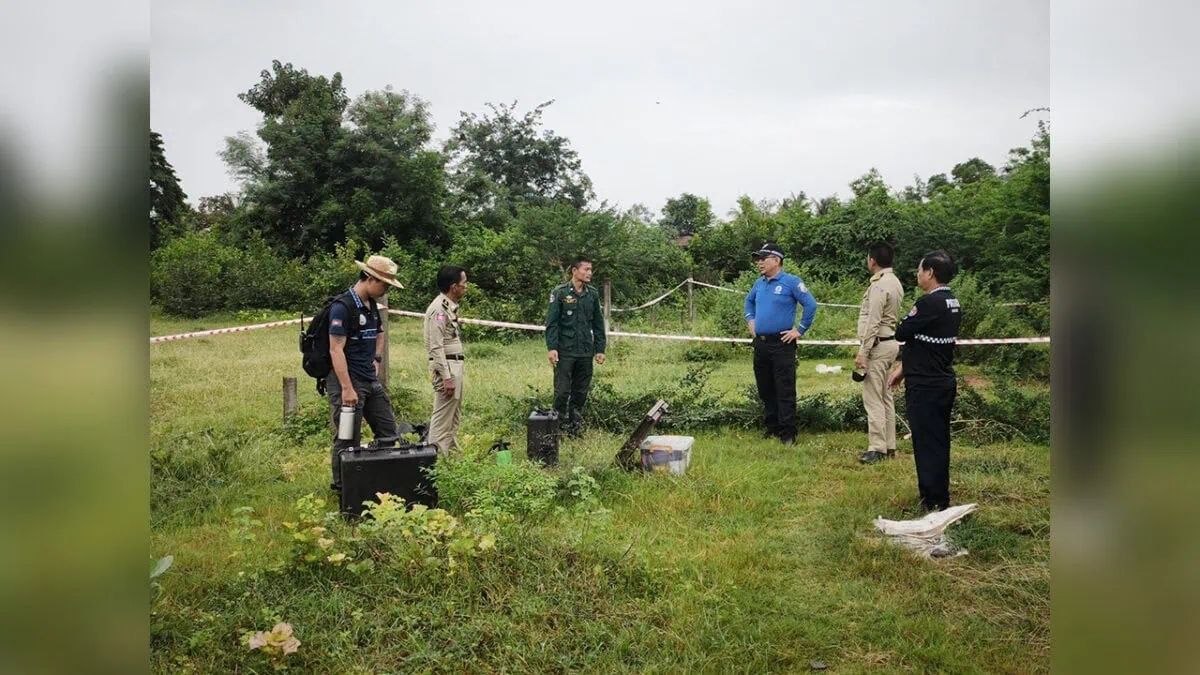
The simultaneous occurrence of two child homicides in the same jurisdiction has drawn significant investigative attention from Cambodia's security apparatus. The homicide investigation team of the Child Protection Unit, working jointly with provincial law enforcement and the Minister of Interior's Department of Technical and Scientific Police, immediately initiated detailed examinations of both crime scenes. Forensic specialists and technical investigators have been deployed to gather evidence and establish the circumstances surrounding each death.
Following preliminary forensic work and initial investigative procedures, both cases have been formally classified as child homicides. This classification signals that authorities have determined foul play was involved in each death, though detailed findings from the forensic examinations remain confidential pending the progression of the investigations. The decision to treat the cases separately reflects the assessment that distinct circumstances and potentially different perpetrators are involved.
James McCabe, director of the Child Protection Unit, provided a statement on August 3 reiterating the commitment of Cambodian authorities to pursuing both investigations comprehensively. He emphasised that every available investigative resource and capability would be deployed to ensure the cases receive thorough scrutiny. McCabe's remarks underscore the seriousness with which authorities are treating child homicides, a crime category that typically receives heightened investigative priority across Southeast Asian jurisdictions due to its gravity and the vulnerability of the victims.
The director also made clear that anyone found culpable in either death would face prosecution before Cambodia's courts. This warning aims to reinforce the certainty of judicial consequences for those involved, a critical message in cases involving vulnerable populations. The statement reflects international standards for handling child fatalities, where investigations are typically pursued with particular vigour and prosecutorial resources are concentrated on securing convictions.
The investigations come as Cambodia continues to grapple with child protection challenges, a concern shared across the Southeast Asian region. The involvement of the Child Protection Unit alongside national police indicates that the country's authorities have developed institutional mechanisms to address crimes against children, though such incidents continue to occur. The prominence given to these cases by official statements suggests that child safety remains a pressing policy concern for the government.
For Malaysia and other Southeast Asian nations observing these developments, the Cambodian response demonstrates both the reality of child protection threats across the region and the institutional responses being deployed. The creation and operation of dedicated child protection units, similar to structures in other neighbouring countries, represents an attempt to address systematic gaps in safeguarding young people. However, the occurrence of such incidents highlights the ongoing challenges facing child welfare systems throughout the region.
The decision by authorities to withhold further operational details while investigations proceed is standard practice designed to preserve investigative integrity and avoid compromising potential prosecutions. This approach prioritises securing evidence and building robust cases over public disclosure, though it leaves families and communities with limited information about the circumstances of the deaths. The balance between transparency and investigative effectiveness remains a persistent tension in high-profile cases across the region.
The Cambodian National Police and the Child Protection Unit extended formal condolences to the families of both children, acknowledging the profound loss and trauma experienced by those bereaved. This expression of sympathy, coupled with the commitment to pursue justice, represents the institutional response to what are being characterised as tragic crimes. For regional observers, these cases underscore the importance of sustained investment in child protection infrastructure, forensic capabilities, and investigative training across Southeast Asia.
As investigations progress, authorities have signalled that further updates will be released once the cases advance toward prosecution stages or reach closure. The commitment to justice articulated by senior officials will ultimately be measured by the quality of investigations conducted and the outcomes achieved through Cambodia's judicial system. These cases represent broader child protection challenges facing the region and the varying capacities of different nations to respond effectively to crimes against children.

