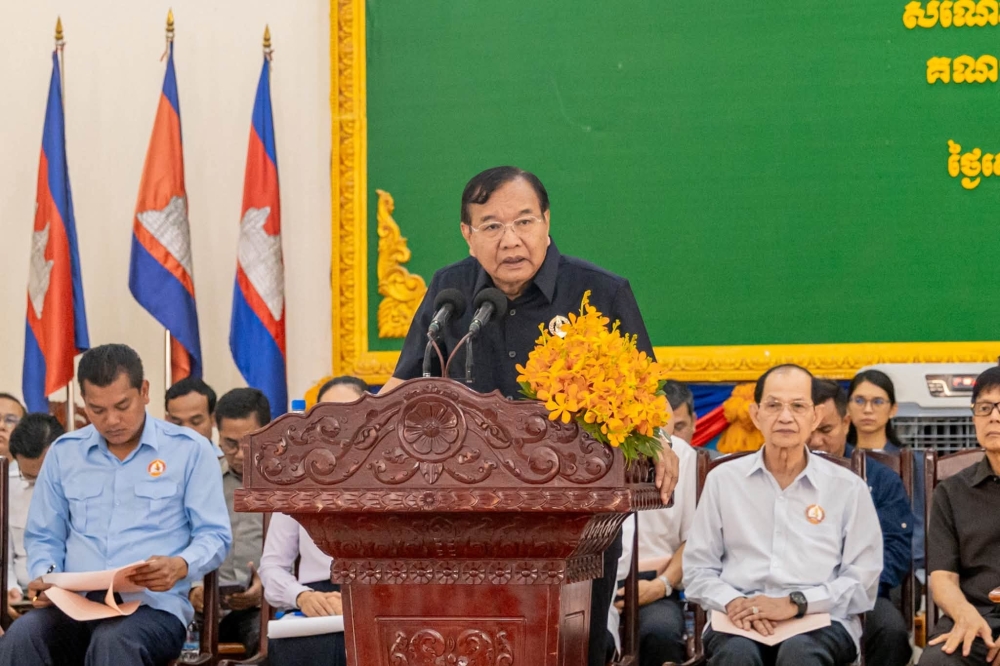
Cambodian Deputy Prime Minister and Minister of Foreign Affairs and International Cooperation Prak Sokhonn touched down in Malaysia on August 3rd for a scheduled two-day official visit, marking a significant moment of diplomatic engagement between the two Southeast Asian neighbours. The arrival of such a high-ranking Cambodian delegation underscores the importance both governments place on strengthening bilateral relations and maintaining active dialogue on matters of mutual concern across the region.
The timing of Prak Sokhonn's visit reflects ongoing efforts by ASEAN member states to deepen cooperation and coordination during a period of considerable regional transformation. Cambodia's decision to dispatch its Foreign Minister—a position carrying substantial weight in foreign policy matters—suggests Phnom Penh views the relationship with Malaysia as strategically significant. For Malaysian policymakers, the visit provides an opportunity to engage with one of the bloc's influential voices and to address issues that span economic partnership, security matters, and regional stability.
During such high-level visits, delegations typically address a range of pressing concerns affecting bilateral relations and broader Southeast Asian dynamics. Trade and investment flows between Cambodia and Malaysia represent one avenue for discussion, as both nations seek to leverage ASEAN's economic frameworks and pursue complementary commercial opportunities. Malaysian businesses operating in Cambodia, as well as Cambodian investors exploring opportunities in Malaysia, benefit from the dialogue channels opened through diplomatic visits at this level.
Regional security cooperation constitutes another critical dimension of Malaysia-Cambodia engagement. Both nations are members of ASEAN and participate in the broader Indo-Pacific security architecture, including mechanisms like the ASEAN Regional Forum and the East Asia Summit. Discussions during such visits often touch upon transnational challenges—ranging from maritime security and human trafficking to counterterrorism and cybersecurity—that require coordinated responses among Southeast Asian partners.
The visit also reflects ASEAN's emphasis on consensus-building and regular ministerial-level dialogue as mechanisms for conflict prevention and cooperative problem-solving. Within the grouping, Malaysia and Cambodia have historically collaborated on various initiatives and working groups, and maintaining these connections through periodic high-level meetings ensures that relationships remain robust despite occasional divergences in national interests or diplomatic positions.
Cambodia's current political trajectory and its role within ASEAN constitute important context for understanding this engagement. As ASEAN navigates complex geopolitical currents—including great power competition and shifting regional alignments—countries like Cambodia occupy pivotal positions. Malaysia's cultivation of strong ties with Phnom Penh reflects both nations' commitment to an ASEAN-centric approach to regional affairs and their mutual interest in maintaining a stable, predictable regional order.
The Foreign Minister's presence also signals Cambodia's active participation in regional diplomacy and its willingness to engage constructively with fellow ASEAN members. Such visits create opportunities for bilateral problem-solving on issues that might otherwise fester or escalate through less formal channels. Whether addressing specific grievances, coordinating positions on international matters, or simply maintaining the personal relationships that underpin effective diplomatic practice, these engagements serve tangible functions in interstate relations.
For Malaysian observers, the visit carries implications for how Kuala Lumpur positions itself within ASEAN and with respect to the broader Indo-Pacific. Malaysia's relationships with countries across the bloc influence its ability to mediate disputes, build coalitions on issues of importance, and advance its strategic interests. Regular engagement with key ASEAN figures like Prak Sokhonn contributes to Malaysia's diplomatic standing and its capacity to shape regional discussions.
Beyond the bilateral dimension, the visit exemplifies the kind of continuous diplomatic activity that characterizes ASEAN's operational reality. Member states maintain dense networks of consultations, and senior officials frequently travel within the region to conduct negotiations, share perspectives, and coordinate policy responses. This rhythm of engagement, though often unreported in detail, forms the backbone of ASEAN's consensus-based decision-making process and its ability to function as a coherent diplomatic force.
The two-day duration of the visit suggests a substantive agenda rather than a purely ceremonial exercise. During such engagements, officials typically hold working sessions, bilateral meetings between relevant ministers, and possibly joint press conferences or statements outlining areas of agreement and shared commitment. These structured interactions provide opportunities to discuss both routine administrative matters and strategic issues affecting the relationship.
Looking forward, the success of this visit may influence the tempo and substance of Malaysia-Cambodia relations in coming months. Diplomatic visits often generate momentum for follow-up actions—whether institutional meetings, joint projects, or coordinated positions on international issues. The outcomes of Prak Sokhonn's stay will likely be documented in official statements and may feed into broader ASEAN deliberations on regional matters.

