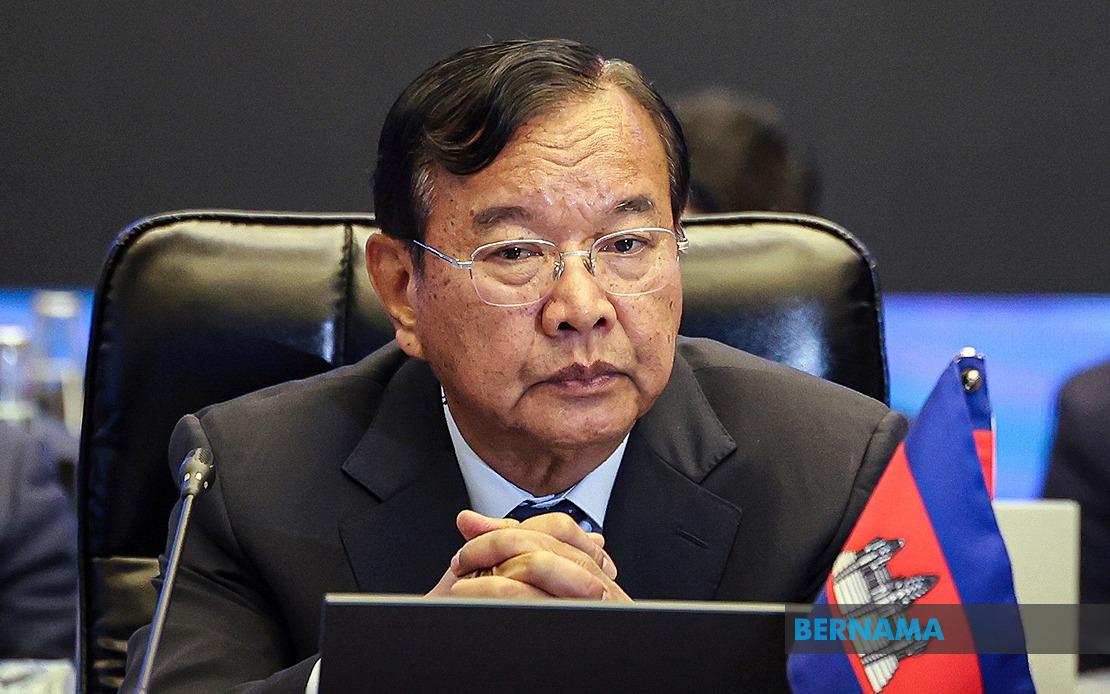
Cambodian Deputy Prime Minister and Foreign Affairs Minister Prak Sokhonn is set to arrive in Malaysia next week for an official visit designed to reinvigorate the diplomatic momentum between Phnom Penh and Kuala Lumpur. The two-day trip, commencing August 3, will see Sokhonn preside over the 3rd Meeting of the Cambodia–Malaysia Joint Commission for Bilateral Cooperation, a key forum for advancing the two nations' strategic relationship across multiple economic and political domains.
The JCBC serves as the primary institutional mechanism through which Cambodia and Malaysia review and coordinate their bilateral agenda. During this third sitting, officials from both countries will conduct a comprehensive assessment of how successfully previous agreements have been implemented, particularly focusing on the minutes agreed upon during the second JCBC meeting. This practice of systematic review ensures that commitments made at high levels translate into tangible outcomes affecting both economies and populations.
Beyond retrospective evaluation, the Kuala Lumpur meeting will serve a forward-looking purpose. Cambodian and Malaysian officials will identify and formulate concrete measures designed to deepen cooperation in sectors ranging from trade and investment to defence, tourism, and people-to-people exchanges. By establishing specific, actionable initiatives rather than remaining at the level of general principles, the JCBC meeting represents a practical approach to strengthening the multifaceted relationship between the two Southeast Asian neighbours.
For Malaysia, Sokhonn's visit carries particular significance given Malaysia's role as a major economic partner and regional player. The Deputy Prime Minister's decision to travel personally to Kuala Lumpur signals Cambodia's commitment to elevating bilateral ties. In return, Malaysia is according full diplomatic recognition to the visit through high-level ministerial engagement, underlining the importance both governments attach to the relationship.
During his stay, Sokhonn will engage in bilateral discussions with Malaysian Foreign Minister Datuk Seri Mohamad Hasan, offering an opportunity for the two nations' top foreign affairs officials to address pressing regional issues and chart the course for enhanced cooperation. The agenda likely encompasses regional security challenges, ASEAN coordination, and economic collaboration that could benefit both nations' development trajectories. Such minister-to-minister dialogue allows for candid discussion of sensitive issues and enables rapid decision-making on matters of mutual concern.
Equally significant is Sokhonn's scheduled courtesy call on Malaysian Prime Minister Datuk Seri Anwar Ibrahim. This engagement at the highest executive level demonstrates Cambodia's respect for Malaysia's stature within Southeast Asia and signals that the partnership enjoys top-tier political support. Prime ministerial audiences, while ceremonial in nature, carry substantial diplomatic weight and provide an opportunity for leaders to exchange views on the broader strategic architecture of the region and bilateral relations.
The timing of this visit reflects Cambodia's broader diplomatic strategy in Southeast Asia. With ASEAN facing multiple challenges ranging from Myanmar's political instability to tensions in the South China Sea, maintaining strong intra-regional partnerships becomes increasingly important. Cambodia, as ASEAN chair, has particular incentive to demonstrate that the bloc's member states enjoy robust bilateral relationships that can serve as foundations for collective action when necessary.
Malaysia's perspective on this engagement is equally instructive. As a nation with significant economic interests throughout Southeast Asia, Malaysia benefits from stable, predictable relationships with key neighbours. Cambodia represents an important market for Malaysian investment and a crucial partner in broader ASEAN initiatives. The JCBC meeting provides Malaysia an opportunity to consolidate gains made in previous years and identify new avenues for cooperation that could enhance Malaysia's economic influence in the region.
The emphasis on reviewing previously concluded bilateral agreements suggests that both nations have accumulated a substantial framework of commitments requiring active management. From trade protocols to defence cooperation arrangements, these agreements represent the accumulated trust and mutual interest that characterises modern bilateral relations. The JCBC's role in monitoring implementation ensures that agreements do not become merely ceremonial but produce concrete benefits for both populations.
Looking forward, the renewed momentum that both governments hope this visit will generate reflects the reality that regional relationships require consistent attention and reinvestment. Political will at the highest levels must translate into institutional mechanisms, funding commitments, and bureaucratic action to translate agreements into reality. Sokhonn's visit and the JCBC meeting represent precisely this kind of necessary follow-through.
For Malaysian businesses and investors, the outcome of these talks could open new opportunities in Cambodia's growing economy. Cambodian firms, conversely, may find enhanced access to Malaysian expertise in areas ranging from financial services to manufacturing. Such bilateral commercial relationships often grow directly from the political foundations established through high-level visits and formal mechanisms like the JCBC.
The broader context for this engagement involves Cambodia's position as both a regional player and a nation with strategic importance to major powers. By strengthening ties with Malaysia, Cambodia reinforces its position within ASEAN while demonstrating commitment to deepening relationships with fellow Southeast Asian nations. This is particularly relevant given regional geopolitical complexities that require countries to maintain strong bilateral anchors.
Ultimately, Prak Sokhonn's visit exemplifies how contemporary Southeast Asian diplomacy functions through layers of engagement—from high-level political dialogue to institutional mechanisms like the JCBC to practical cooperation in specific sectors. Success will be measured not merely by the symbolism of the visit but by whether the concrete measures agreed during the meeting translate into tangible benefits for both nations' citizens and economies in the months and years ahead.

