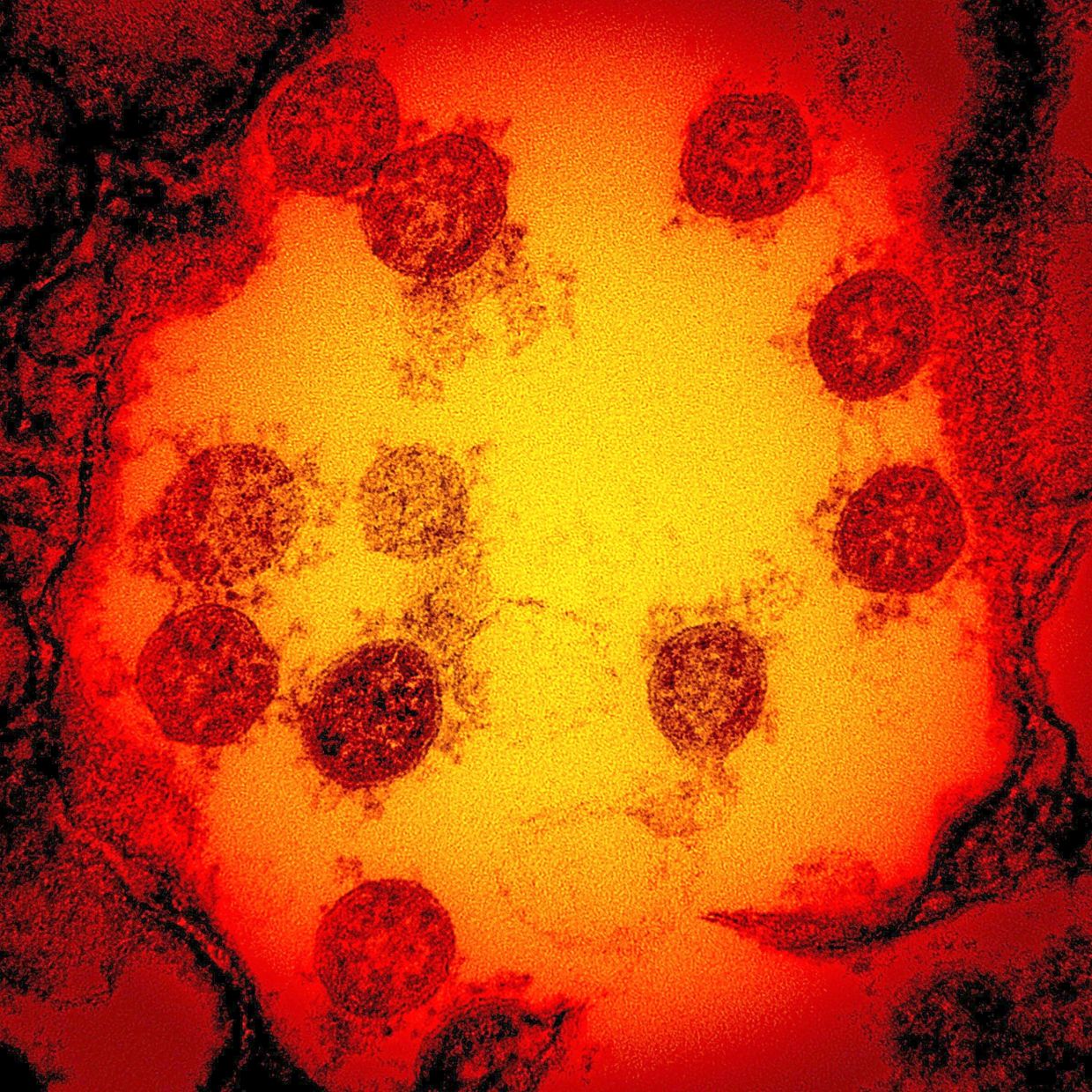
Scientists at Cambridge University have unveiled an artificial intelligence-powered vaccine platform that could fundamentally transform how humanity responds to emerging viral threats, offering protection against entire families of viruses rather than targeting single strains. The breakthrough, developed in collaboration with British biotechnology firm DIOSynVax, represents a paradigm shift in immunological strategy that could prove particularly relevant for Southeast Asian nations facing constant exposure to novel pathogens in densely populated regions.
Dr Jonathan Heeney, the Canadian lead researcher and professor of Comparative Pathology at Cambridge's Department of Veterinary Medicine, describes the innovation using an apt metaphor: possessing a "master key" that opens all doors in an apartment block rather than separate keys for each unit. This conceptual framework highlights the fundamental limitation of conventional vaccine development, which typically addresses only the viral strain circulating at the time of formulation. By the time vaccination campaigns reach vulnerable populations, viral evolution has often rendered the vaccine partially obsolete, forcing researchers into an endless cycle of reactive development rather than proactive protection.
The genesis of this project traces back to the 2013-2016 Ebola outbreak in West Africa, where Heeney was based at the time. The outbreak, which ultimately claimed approximately 11,300 lives according to the World Health Organization, was initially misdiagnosed as Lassa fever, gastroenteritis, or cholera. The identification delay lasted three to four months, during which the virus spread rapidly from Guinea across Sierra Leone and Liberia. This humanitarian catastrophe, which claimed numerous health workers among its victims, crystallised Heeney's determination to fundamentally restructure vaccine development methodology. The experience underscored a critical vulnerability in global health preparedness: the lag between viral emergence and effective countermeasures can prove catastrophic.
The Cambridge team's solution leverages artificial intelligence to identify structural and immunological commonalities across viral families. Rather than focusing on individual variants, the technology recognises shared patterns in the segments of viruses that trigger immune system responses. This approach essentially creates a template that the human immune system can recognise across multiple related pathogens, whether currently circulating or potential future variants. The development process involved assembling comprehensive datasets about various viruses and using advanced algorithms to extract meaningful patterns from vast amounts of biological information.
The urgency of this technological advancement becomes apparent when considering contemporary epidemiological trends. Rapid population growth, accelerating cross-border movement, and ongoing human encroachment into previously undisturbed animal habitats have dramatically increased the frequency of zoonotic spillover events. Viruses that have existed harmlessly within animal populations for generations, to which those animals have developed natural immunity, suddenly encounter a wholly vulnerable human population. Without any innate defences, these pathogens can spread with devastating efficiency, a pattern repeatedly demonstrated by SARS, MERS, and the SARS-CoV-2 pandemic that has defined the past four years.
For Malaysian readers and the broader Southeast Asian region, this development holds particular significance. The tropical and subtropical climate, combined with high population density in urban centres and ongoing environmental disruption, creates conditions conducive to emerging infectious diseases. The region has witnessed multiple outbreaks of dengue, zika, and other mosquito-borne viruses, alongside periodic avian influenza incidents. A vaccine platform capable of addressing entire viral families could substantially reduce the public health burden and economic disruption associated with repeated outbreak responses across the region.
The initial clinical trial involved 39 volunteers and was sponsored by University Hospital Southampton in Britain, with results published in peer-reviewed literature. This foundational study demonstrated sufficient safety and immunogenicity to warrant progression to larger-scale trials, marking a critical milestone in translating laboratory innovation into clinical application. Scaling trials to larger populations will provide crucial data on efficacy across diverse demographic groups and establish safety profiles across broader populations.
Heeney's greatest concern focuses on influenza, which he characterises as one of the "trickier" viral threats due to its rapid mutation rate and pandemic potential. Historical perspective underscores this worry: the 1918-1920 influenza pandemic claimed an estimated 25 to 50 million lives globally, while the Black Death of medieval Europe demonstrated humanity's historical vulnerability to infectious disease. Contemporary urbanisation and globalised travel networks have only increased pandemic risk compared to those historical periods.
The research team is now advancing to a second generation of development, leveraging increasingly sophisticated artificial intelligence systems to construct an even more powerful platform. This iterative approach incorporates machine learning algorithms trained on expanding datasets, enabling faster response times and accommodation of larger information volumes. Heeney envisions this as marking the beginning of an entirely new era in vaccine manufacturing, one fundamentally distinct from the historical approach of developing individual vaccines for specific identified threats.
The validation challenge ahead involves demonstrating to global health authorities and the scientific community that this technology platform is simultaneously safer and more effective than conventional approaches. Regulatory bodies across different jurisdictions will require robust data from diverse populations before approving widespread deployment. Southeast Asian nations, which have developed sophisticated pharmaceutical regulatory frameworks, will play important roles in this validation process, potentially serving as trial sites for diverse population groups.
Beyond pandemic prevention, the technology promises to address seasonal and endemic viral diseases that currently consume substantial healthcare resources. Countries throughout Southeast Asia could potentially develop regional vaccine production capacity using this platform, reducing dependence on imported pharmaceutical products and strengthening local healthcare resilience. The platform nature of the technology means that once validated, subsequent applications for other viral families would require substantially less development time than conventional approaches.
Heeney's outlook remains cautiously optimistic, framing this technological breakthrough as opening doors to fundamentally new approaches in infectious disease management. Success would represent not merely an incremental improvement in vaccine development but rather a transformative shift in humanity's defensive posture against emerging pathogens. For a region as vulnerable to emerging infectious diseases as Southeast Asia, such technological advancement carries implications extending far beyond academic laboratories into public health policy, economic planning, and population wellbeing.

