A tragic incident has claimed the life of a 34-year-old campaign volunteer in Negeri Sembilan, underscoring the occupational hazards faced by those engaged in grassroots political activities across Malaysia. The fatal accident occurred on the afternoon of July 19 along Jalan Kuala Sawah-Rantau near Kampung Belangkan, where the victim was undertaking flag installation work ahead of the state's 16th election campaign. The collision, which left the victim with severe facial and cranial injuries, highlights persistent road safety concerns in Malaysia and raises questions about the protection afforded to campaign personnel during election periods.
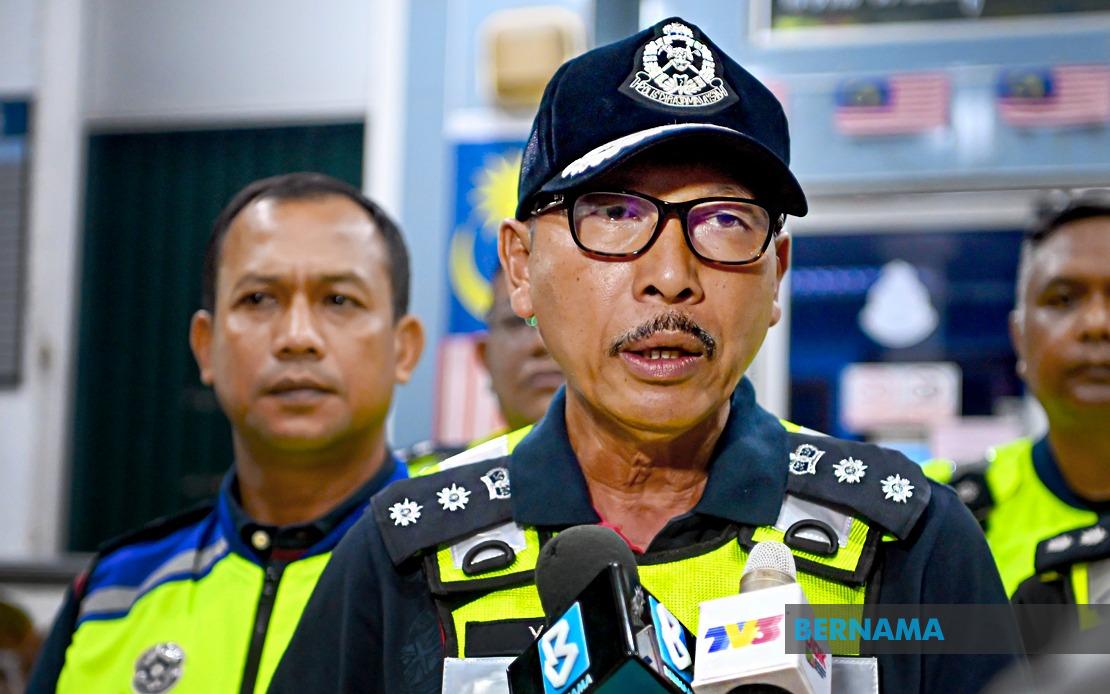
According to Seremban district police chief ACP Mohd Yatim Osman, the incident unfolded at approximately 6.40 pm when the victim positioned himself along the road shoulder to carry out flag-raising activities. Initial investigations indicate that an unidentified lorry struck a roadside signpost before veering into the victim's position on the shoulder. The force of the impact proved fatal, with medical responders unable to revive the casualty at the scene. Such incidents, though not routine, reflect the vulnerability of individuals who work in exposed roadside environments during peak traffic periods.
The circumstances surrounding the collision remain partially unclear, as the investigating authorities have yet to determine whether the driver lost vehicle control, experienced mechanical failure, or was simply inattentive at the moment of impact. The fact that a signpost was struck first suggests the vehicle may have drifted across the road boundary, though police have not elaborated on this sequence of events. What is certain is that the lorry's operator abandoned the vehicle immediately following the accident, transforming what might have been a tragic but manageable incident into a hit-and-run case that compounds the legal severity of the situation.
The police response has prioritised locating the fleeing vehicle and its driver, as both remain unidentified at this stage. The registration number of the lorry has not been established, complicating efforts to trace the perpetrator through standard enforcement channels. This operational challenge underscores vulnerabilities in Malaysia's vehicle tracking infrastructure, particularly when incidents occur in rural or semi-rural areas where witness identification of vehicles may be limited. Without CCTV footage or reliable eyewitness accounts of the registration plate, investigators face significant obstacles in resolving the case swiftly.
The investigation has been formally classified under Section 41(1) of the Road Transport Act 1987, which addresses causing death by rash or negligent driving. This legal framework carries substantial penalties, including imprisonment and fines, particularly when compounded by the driver's decision to flee the scene. The police have indicated that ongoing inquiries will determine whether additional charges, such as leaving the scene of an accident or obstructing justice, might apply once the driver is identified and apprehended. The serious nature of the charges suggests authorities are treating this matter with appropriate gravity.
Investigating Officer Insp Nor Fadzilah Mohd Zainuddin has appealed for public cooperation, providing multiple contact channels through which citizens can relay information. The inspector's mobile number 019-4611794, the general IPD Seremban line at 06-6033222, and the Operations Room number offer varied avenues for anonymous or identified reporting. Such transparency in investigation procedures encourages community participation and demonstrates police commitment to solving the case, though the challenge remains significant given the apparent absence of readily available identifying details about the vehicle.
The incident carries broader implications for campaign safety protocols during election seasons across Malaysia. Political parties and election authorities may need to reconsider occupational safety measures for volunteers engaged in flag installation and related campaign infrastructure work. The location of such activities—invariably along busy roadsides where vehicular traffic flows regularly—presents inherent dangers that could potentially be mitigated through better coordination with traffic authorities, use of safety equipment, and scheduling of work during off-peak hours. The death of a campaign worker performing routine electoral duties raises uncomfortable questions about whether adequate safeguards exist to protect such volunteers.
From a regional perspective, this incident reflects challenges common to several Southeast Asian democracies, where grassroots campaign work frequently occurs in environments with limited formal safety infrastructure. In Malaysia, where rapid motorisation has outpaced road safety enforcement in many areas, pedestrians and roadside workers remain vulnerable to collisions. The Negeri Sembilan case exemplifies how routine campaign activities can transform into fatal tragedies when vehicle discipline lapses and drivers flee rather than seeking assistance or accepting responsibility.
The victim's family, whose identity has not been disclosed, now faces both personal grief and the uncertainties inherent in an ongoing criminal investigation. Questions likely linger regarding whether the driver acted negligently, recklessly, or with criminal intent. The decision to flee rather than stop and render assistance further complicates the moral and legal dimensions of the case, suggesting a consciousness of guilt or fear of consequences that will ultimately prejudice the driver's position once apprehended.
As the investigation progresses, the police commitment to identifying and prosecuting the offender will be tested against the practical challenges posed by incomplete vehicle information and the passage of time. The public's role in providing intelligence becomes paramount. Any citizen who observed an unusual vehicle or a driver exhibiting evasive behaviour in the vicinity of Jalan Kuala Sawah-Rantau around 6.40 pm on July 19 holds information that could prove crucial to resolution. The case stands as a sobering reminder that election campaigns, while essential to democratic processes, carry real occupational risks for those who volunteer their time and effort to support the electoral machinery.

