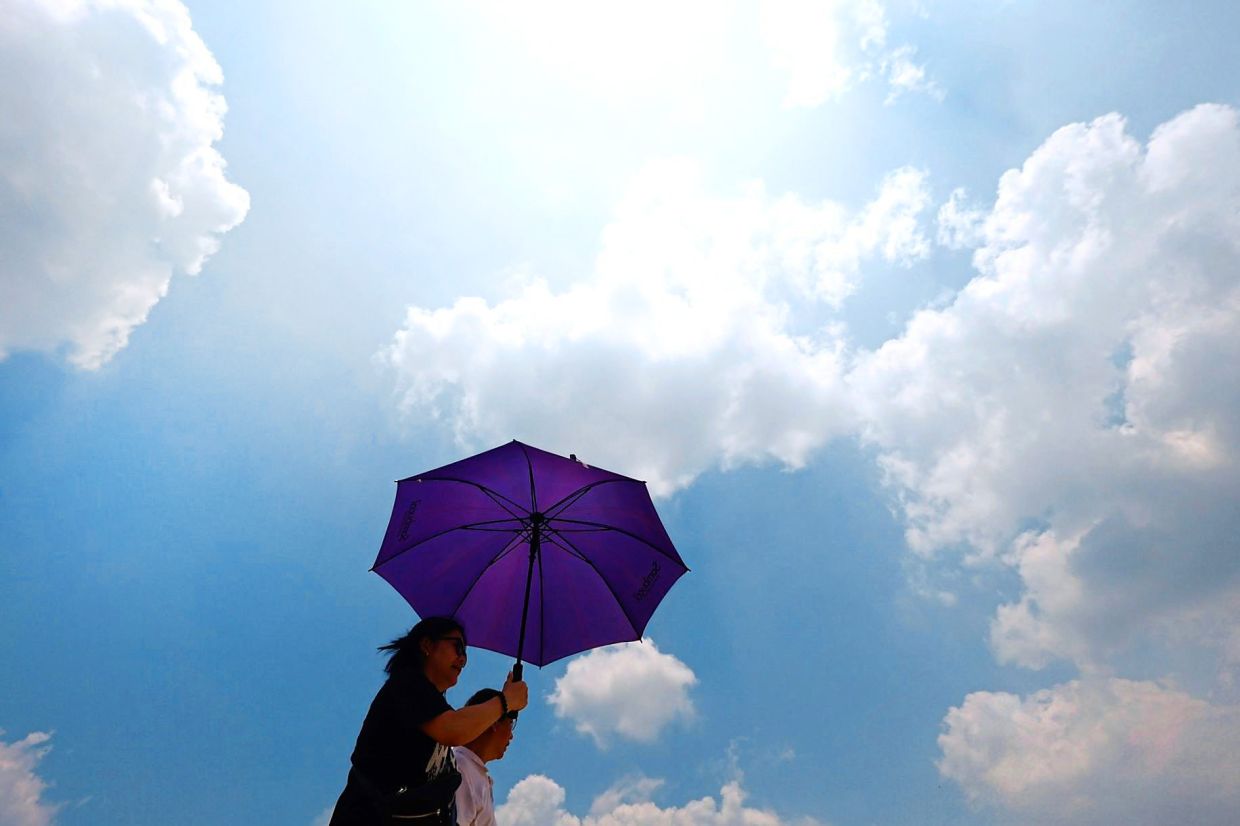
The World Health Organization issued a stark warning on June 30, 2026, that heatwaves are becoming the new normal rather than exceptional events. Following a period of record-breaking temperatures across Europe that resulted in dozens of deaths, WHO Europe regional director Dr Hans Kluge emphasized that successive summers will grow increasingly difficult. This shift represents a fundamental change in how societies must think about extreme heat—not as occasional weather phenomena to endure, but as recurring health crises demanding structural responses.
Climate change is reshaping global temperature patterns at an unprecedented pace, and the question of whether human physiology can keep pace is increasingly urgent. Medical meteorologist Kathrin Graw, working with Germany's national weather service the Deutscher Wetterdienst, brings a nuanced perspective to this question. While acknowledging that adaptation is theoretically possible to some degree, she underscores that the human body's capacity for adjustment operates within narrow constraints that are rapidly being tested by climate acceleration.
The toll of extended heat exposure becomes progressively worse as heatwaves lengthen. Graw explains that the cumulative burden of sustained high temperatures compounds daily, eroding human resilience in ways that initial heat events do not. A critical factor amplifying this stress is the loss of nighttime recovery. When temperatures fail to drop significantly after sunset, sleep quality deteriorates markedly, leaving the body less equipped to handle subsequent days of extreme heat. This cycle of mounting physiological stress fundamentally changes how heat threatens human health.
Statistical evidence demonstrates this escalating pattern vividly. Research conducted by the DWD reveals that fatal heat-related consequences rise sharply with heatwave duration. Among people suffering from cardiovascular disease—a substantial portion of aging populations across Europe and Southeast Asia—heat-related deaths increase dramatically by the second week of continuous high temperatures. During days eleven and twelve of a prolonged heatwave, cardiovascular deaths surge by up to 18 percent compared with normal periods. This contrasts starkly with the initial phase, where excess deaths among this vulnerable group stand at approximately 8.5 percent. The mathematical trajectory is grim: each additional day of heat exposure multiplies the danger.
The human body does possess some capacity to acclimate to elevated temperatures during a single summer season. This physiological reality informs how professional weather services calibrate their heat warnings. Germany's DWD, like other meteorological agencies, adjusts warning thresholds based on seasonal timing. Early summer warnings are triggered at lower temperature levels than those used in late August, reflecting the body's gradual heat acclimatization. This practice acknowledges that populations develop some tolerance as the season progresses and bodies undergo adaptive changes. However, this short-term adjustment differs fundamentally from the long-term adaptation that climate change demands.
Geographical variation in heat vulnerability offers some clues about long-term human adaptation. Populations in southern countries with longer histories of sustained heat exposure do show somewhat lower rates of heat-related mortality compared with residents of traditionally cooler northern regions. This suggests that sustained exposure to hot climates produces measurable health benefits through physiological adaptation and behavioral adjustments. Yet Graw cautions against drawing optimistic conclusions from this pattern. The pace of climate change introduces a critical variable that historical experience cannot adequately address.
The speed of warming presents perhaps the greatest obstacle to human adaptation. Climate change is accelerating, not stabilizing, meaning temperature increases are occurring far faster than evolutionary or developmental adaptation can accommodate. Graw warns that meaningful long-term adaptation to higher temperatures will prove impossible without severe practical limits, particularly when the environmental changes demand adjustment occur so rapidly. The body's adaptive mechanisms, refined over millennia to match historical climate patterns, are fundamentally mismatched to the pace of current change. What might be manageable adjustment over centuries becomes acutely problematic when compressed into decades.
For Southeast Asian nations, these dynamics carry particular significance. The region's tropical climate and dense urban populations, combined with aging demographics in wealthier countries, create ideal conditions for heat vulnerability to intensify. Malaysia's position near the equator means extreme heat stress is already a seasonal reality, yet ongoing climate change threatens to push temperatures beyond thresholds humans can sustainably endure. The lessons emerging from European heatwave research apply with even greater urgency to populations already living at the thermal boundaries of human habitability.
Certain populations face disproportionate risk from intensifying heatwaves regardless of adaptation potential. Elderly individuals, young children, pregnant women, and people with pre-existing health conditions—particularly cardiovascular and respiratory ailments—occupy the frontline of heat-related mortality. These groups cannot rely on adaptation strategies that depend on physical robustness or behavioral flexibility. Their vulnerability underscores that society-wide solutions must transcend individual physiological adaptation, requiring systemic cooling infrastructure, emergency response protocols, and healthcare preparedness that can accommodate waves of heat-related illness.
The trajectory emerging from climate science and medical research points toward a future where heatwaves exceed human adaptive capacity more frequently and more severely. While incremental physiological adjustment occurs during individual summers, the cumulative acceleration of global temperatures makes this adaptation insufficient as a long-term survival strategy. The WHO's warning that "summers ahead will be harder" reflects not pessimism but medical realism grounded in observational data. As heatwaves transition from exceptional events to recurring crises, societies must invest urgently in adaptation infrastructure—cooling centers, early warning systems, healthcare expansion, and urban design modifications—because relying on human physiology alone will prove inadequate.

