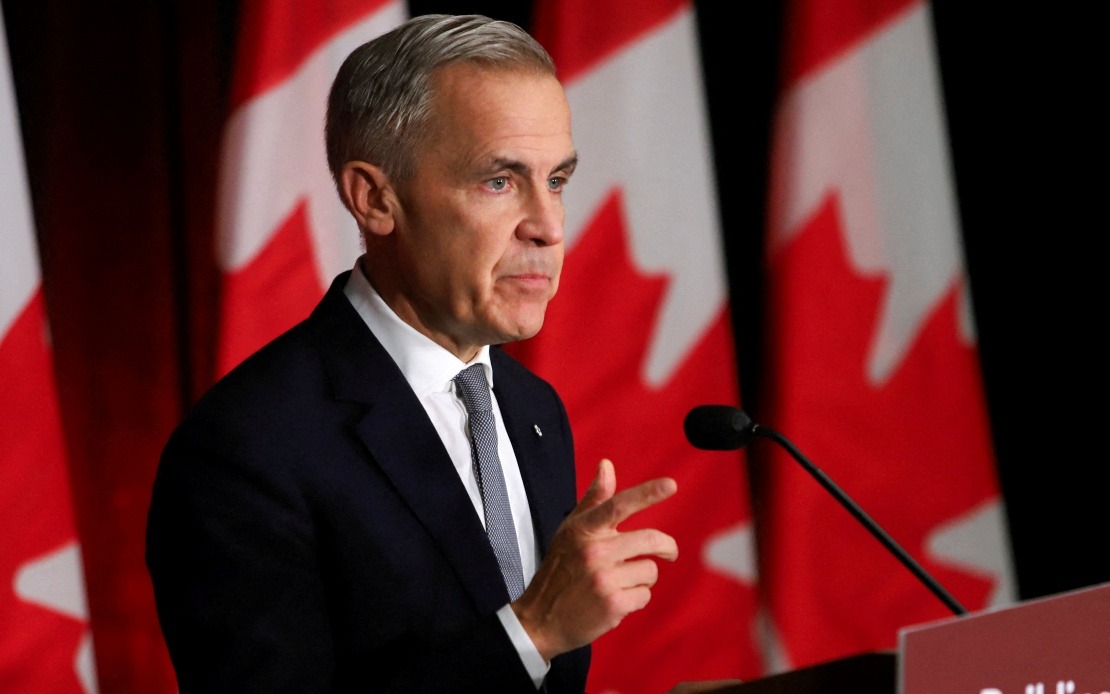
Canadian Prime Minister Mark Carney announced on Tuesday that he has engaged directly with US President Donald Trump to accelerate bilateral trade negotiations in the coming weeks, signalling both nations' intent to resolve mounting commercial tensions before new tariffs take effect. The conversation, held earlier that morning, represents an attempt to find diplomatic ground amid escalating trade friction between the two neighbouring economies.
The timing of these negotiations comes as the Trump administration moves forward with aggressive tariff implementation. On Monday, Trump signed three proclamations targeting Canadian exports, imposing an additional 50 per cent ad valorem duty on select products including dairy goods, alcoholic beverages, and motor vehicles plus components. According to documentation released by the White House, these supplementary tariffs are scheduled to commence on August 19, providing a compressed timeframe for the two sides to reach an accord.
Trump justified the tariff escalation by asserting that Canada has engaged in discriminatory trade practices against American commerce. The rationale reflects broader concerns within the Trump administration about trade imbalances and what it views as unfair commercial arrangements. However, the proclamations strategically exempted certain sectors considered vital to continental security and economic integration, including energy products, potash, fish stocks, and critical minerals—categories that underscore the nuanced approach to bilateral commercial relations.
Carney's response characterises the new tariffs as part of a broader pattern of unilateral US trade action that violates commitments under the Canada-United States-Mexico Agreement, the trilateral free trade framework that governs North American commerce. This framing situates the dispute within the context of established rules-based trade architecture, suggesting Canada intends to challenge the tariffs through both negotiation and potentially formal dispute mechanisms.
For Malaysian observers and Southeast Asian policymakers, this transatlantic dispute carries significant implications. The Canada-US trade friction demonstrates how major trading powers can rapidly escalate protectionist measures, creating volatility that reverberates through global supply chains. Canadian products compete with those from developing economies in third markets, and tariff-driven price movements can alter competitive dynamics for exporters across the region.
The automotive sector deserves particular attention given Malaysia's own vehicle manufacturing and component export interests. A 50 per cent tariff on Canadian motor vehicles and related goods will reshape North American automotive procurement patterns and potentially create opportunities or challenges for Malaysian suppliers competing for market share. Similarly, tariffs on agricultural products and processed foods reflect broader protectionist sentiment that could influence trade negotiations throughout Asia-Pacific.
Carney signalled openness to considering responsive measures, indicating that Canada is preparing contingency plans should negotiations fail and tariffs take effect as scheduled. This stance reflects the reality that trade disputes between integrated economies rarely resolve without both sides accepting some costs and compromises. The Canadian government's willingness to contemplate retaliatory options signals that capitulation is unlikely, suggesting prolonged negotiation rather than swift resolution.
From a regional perspective, Malaysia should monitor how this dispute develops, as it may set precedent for other trade conflicts and demonstrate how middle-power nations respond to unilateral tariff threats from larger trading partners. The ASEAN community has experienced similar tariff pressures and trade disputes, making the Canadian experience relevant to understanding negotiation tactics and outcomes in asymmetrical commercial relationships.
The exemption of critical minerals and energy products from Canadian tariffs suggests that the Trump administration recognises certain categories as too strategically important to penalise, a calculation that applies equally to Asian suppliers of rare earth elements and energy resources. This selective approach indicates that trade disputes, even when framed as principled stands against unfair practices, contain pragmatic considerations about global supply chain dependencies.
The August 19 implementation date creates artificial urgency that may either catalyse agreement or entrench positions. Both governments have strong incentives to avoid disruption—Canadian exporters face immediate losses while American consumers and manufacturers relying on Canadian inputs face cost increases. This mutual vulnerability typically produces negotiated outcomes, though the timeline is sufficiently compressed to permit political posturing and brinkmanship.
For companies operating across the Canada-US border or importing from either nation, the current uncertainty creates planning challenges. The compressed negotiation window means decisions about sourcing, pricing, and inventory management must account for the possibility that tariffs proceed as scheduled. Southeast Asian firms with exposure to North American markets may experience secondary effects through supply chain disruptions or shifts in procurement patterns.
Carney's emphasis on dialogue and willingness to explore all response options reflects pragmatic statecraft—simultaneously preparing for conflict while maintaining diplomatic channels. This balancing act mirrors approaches adopted by other trading nations facing similar pressures, suggesting that the coming weeks will determine whether negotiated compromise or tit-for-tat escalation defines the trajectory of Canada-US trade relations heading into the remainder of the year.

