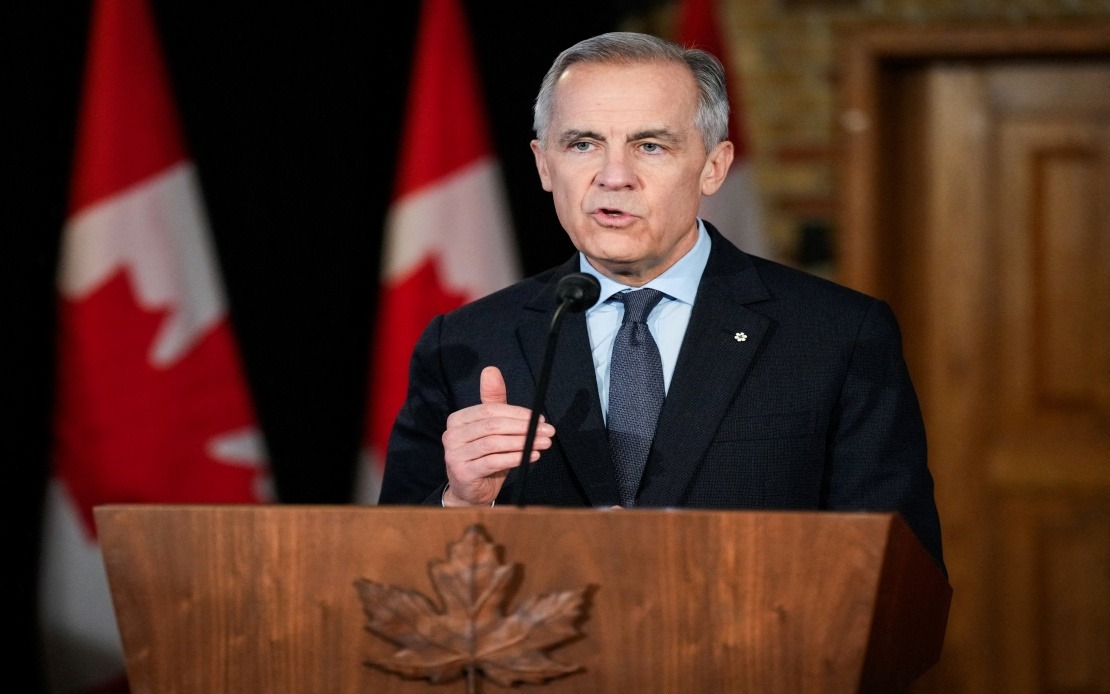
Canadian Prime Minister Mark Carney confirmed on August 19 that negotiations between Washington and Ottawa have yielded tangible progress, though both nations face a tightening deadline to cement a comprehensive trade agreement. The temporary suspension of hefty American tariffs on Canadian merchandise remains in effect only until the end of this week, according to the prime minister's statement, underscoring the fragile nature of the current arrangement and the urgency surrounding ongoing discussions.
US President Donald Trump announced overnight into Wednesday that he would pause the implementation of 50 per cent tariffs on Canada, creating space for the two countries to complete their trade negotiations. This move represents a significant tactical shift, allowing both governments to continue their discussions without the immediate threat of severe economic disruption, though the compressed timeframe suggests that senior officials on both sides recognise the precarious state of the broader relationship.
Carney's statement acknowledged the substantive headway achieved across multiple negotiating tracks, yet he was notably cautious about declaring any breakthrough imminent. The prime minister's measured tone reflects the complexity of reconciling competing interests, with American demands for market access and investment protections clashing against Canadian concerns about national sovereignty and sectoral competitiveness. His emphasis on "important work still to be done" signals that considerable gaps remain between the two negotiating teams on critical provisions.
The 50 per cent tariff threat represents an unprecedented level of economic coercion in recent Canada-United States trade relations, a dramatic escalation from conventional duties that typically hover in the single digits. For Canadian exporters, particularly in sectors such as automotive manufacturing, agriculture, and energy, even a few days of uncertainty creates operational chaos as supply chains scramble to adjust pricing models and shipping schedules. The looming August 21 deadline means that negotiators have mere hours to resolve disputes that have festered for months.
From a Malaysian and Southeast Asian perspective, this standoff carries substantial implications for the region's own trade relationships with both North American powers. If the United States and Canada fail to reach agreement, resulting tariffs would ripple through global supply chains, potentially triggering American tariff actions against other trading partners as Trump seeks to level what he views as an unequal playing field. Southeast Asian manufacturers and exporters, already navigating heightened protectionist sentiment in Washington, would face additional headwinds from market disruption and currency volatility.
Canada's insistence on maintaining economic independence and competitiveness reflects broader anxieties about asymmetric negotiating leverage. Ottawa cannot simply capitulate to every American demand without risking domestic political backlash and long-term economic vitality. Yet the prime minister's emphasis on these principles also signals to Canadian stakeholders that his government will not hastily abandon core interests merely to avoid tariffs. This balancing act between pragmatism and principle defines the current negotiating posture.
The timeline creates intense pressure on both administrations to either produce a deal or prepare for economic consequences. Markets typically abhor uncertainty, and the approaching August 21 deadline means that financial traders, corporate planners, and logistics coordinators must soon formulate contingency strategies. If tariffs do take effect, initial impacts would likely concentrate in border-dependent sectors and just-in-time manufacturing operations that depend on rapid, low-cost cross-border commerce.
Historically, US-Canada trade disputes have been resolved through incremental compromise, with both parties claiming victory through selective framing of outcomes. The current situation differs in its intensity and the personal involvement of Trump, whose unpredictability has characterised his approach to trade policy throughout his presidency. Whether this pattern holds remains uncertain, though Carney's acknowledgment of progress suggests that negotiators perceive a viable pathway to resolution.
The Canadian government's dual messaging—emphasising progress while simultaneously preparing contingencies—reflects institutional nervousness about overcommitting to optimism. Should negotiations collapse after August 21, Canada would need to activate retaliatory measures and prepare its economy for prolonged tariff exposure. Such escalation would mark a historic rupture in continental trade relations and would reverberate through global markets already volatile over broader protectionist trends.
For Malaysian observers monitoring North American trade dynamics, the Canada-US negotiation outcome carries significance beyond bilateral considerations. A successful resolution might ease global trade tensions and reduce the likelihood of Trump administration actions against other jurisdictions. Conversely, failure would signal that even America's closest trading partners cannot secure exemptions from aggressive tariff policies, potentially emboldening protectionist approaches toward developing economies and regional partners with less leverage than Canada possesses.

