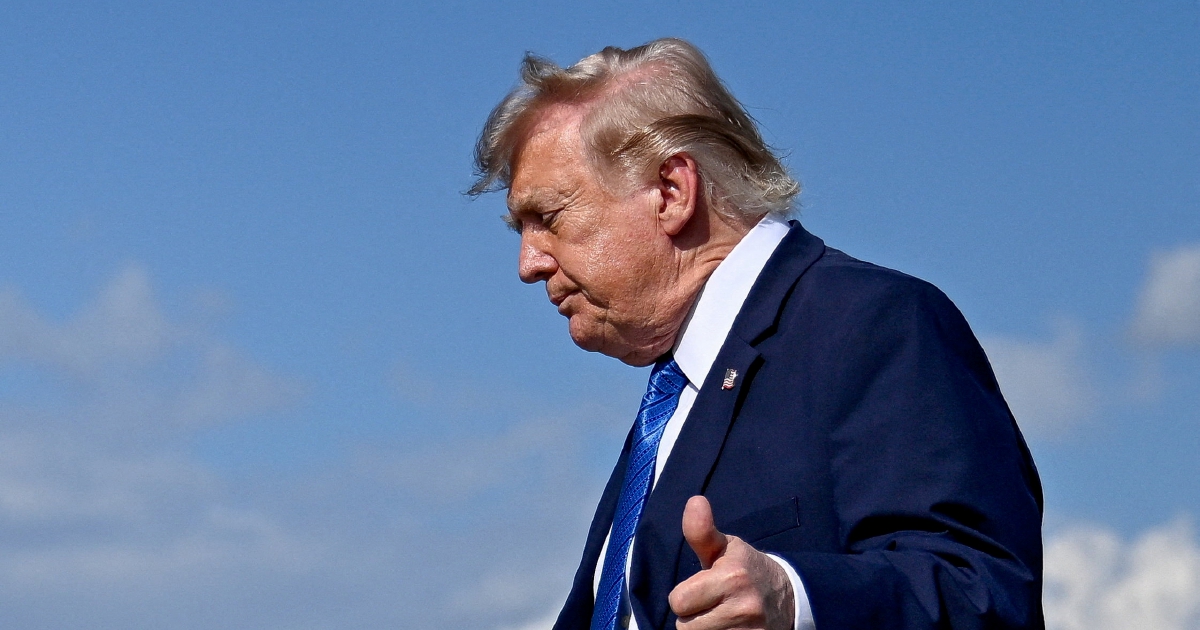
Capital One Financial responded to legal action on Friday by asserting that its decision to terminate banking relationships with the Trump Organisation stemmed from rigorous scrutiny by compliance professionals specialising in anti-money laundering protocols. The financial institution's statement represents the latest development in an ongoing dispute over the bank's treatment of accounts associated with former US President Donald Trump's business empire.
The closure of Trump Organisation accounts by major financial institutions has become a recurring flashpoint in broader questions about banking relationships with the Trump family and their commercial interests. Capital One's filing indicates that the decision was not arbitrary but rather the culmination of systematic compliance review, a distinction that carries significant weight in litigation contexts where banks face pressure to justify account terminations.
Anti-money laundering compliance has become an increasingly stringent requirement for financial institutions globally, particularly following the implementation of enhanced know-your-customer regulations and international sanctions frameworks. Banks operating in major jurisdictions, including the United States, face substantial regulatory penalties if they fail to adequately monitor transactions for signs of illicit financial activity. This regulatory environment creates genuine tension between maintaining customer relationships and fulfilling compliance obligations.
For Malaysian and Southeast Asian readers, Capital One's position carries implications regarding how multinational banks navigate political sensitivity and compliance requirements. Financial institutions across the region have similarly grappled with questions about when account closures are justified by compliance concerns versus when they might reflect broader business or political considerations. The case illustrates how large banks increasingly rely on documented compliance reviews to defend contentious decisions, shifting accountability toward specialised departments rather than executive discretion.
The Trump Organisation closure represents one instance among numerous banking relationships that have been terminated or restricted for high-profile figures and organisations in recent years. Major financial institutions have become more cautious about client vetting, particularly when accounts involve politically prominent individuals whose reputational risks extend beyond traditional credit or fraud considerations. This shift reflects evolving standards for how banks assess not merely financial risk but broader institutional and reputational exposure.
Capital One's invocation of anti-money laundering review findings suggests the bank is constructing a technical and procedural justification for its decision. By framing the closure as following specialist recommendations, rather than as a discretionary business judgment, the bank positions itself as merely implementing required compliance protocols. This distinction matters legally, as courts typically grant financial institutions substantial deference in compliance matters, treating such decisions as within the bank's legitimate regulatory obligation rather than as potential civil rights violations or breach of contract.
The litigation itself underscores broader tensions within American banking regarding political neutrality and institutional independence. Financial institutions maintain they must apply consistent compliance standards regardless of a client's political profile, yet critics contend that high-profile conservative figures face particular scrutiny. The dispute reflects genuine disagreement about whether banking decisions toward prominent political figures represent principled compliance or constitute discriminatory conduct motivated by institutional political preferences.
Capital One's reliance on expert review documentation is strategically significant because it shifts evidentiary burden. Rather than defending subjective judgments by bank executives, the institution now points to specialised compliance professionals whose conclusions presumably rest on objective criteria and established frameworks. This approach reflects contemporary risk management practice, where financial institutions document decision-making processes to withstand legal and regulatory challenge.
For regional context, Southeast Asian banks increasingly adopt similar compliance procedures, influenced by international standards and pressure from parent institutions or correspondent banks in developed markets. The Trump Organisation case illustrates how American legal disputes and compliance standards reverberate through global banking relationships. Malaysian banks and financial institutions contemplating relationships with controversial individuals or entities often face similar pressures to demonstrate rigorous compliance review.
The implications extend beyond any single case. As financial institutions worldwide strengthen anti-money laundering protocols in response to regulatory enforcement actions and reputational concerns, account closures based on compliance grounds may become more frequent and harder to challenge legally. For consumers and businesses globally, including in Malaysia and the region, this trend underscores the importance of maintaining transparent financial records and understanding that banks retain substantial discretion to terminate relationships justified by compliance concerns.
Capital One's litigation position also reflects a broader institutional shift toward transparency about compliance decision-making. Rather than maintaining silence about account terminations, the bank has chosen to publicly defend its actions through documentary evidence of proper procedures. This approach may establish precedent for how financial institutions justify controversial account closures in future disputes.

