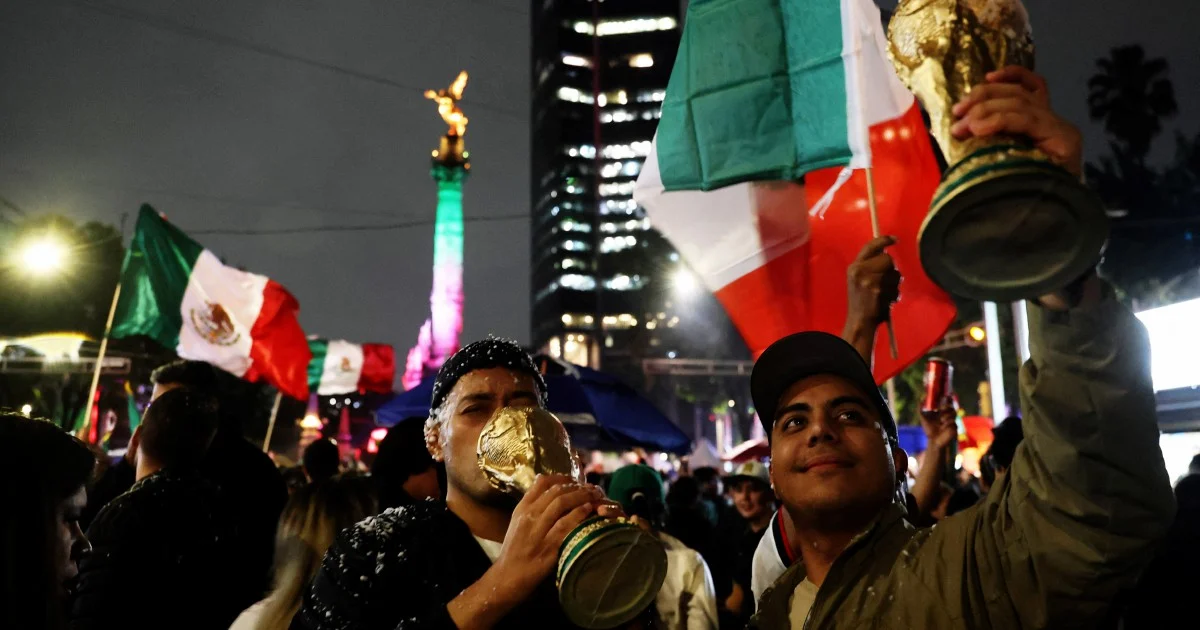
A celebratory gathering descended into chaos and violence in the tourist destination of Cabo San Lucas on Wednesday evening when a vehicle deliberately accelerated through a crowd of Mexico national football team supporters, leaving numerous people hurt. Local authorities indicated that 17 individuals required medical attention following the incident, encompassing both spectators and the driver, who was taken into custody by police.
Footage circulating across social media platforms and authenticated by Reuters depicted a black motor vehicle surrounded by jubilant fans adorned in Mexico's official football kit. Without warning, the car surged forward into the assembled crowd, propelling multiple people upward before the vehicle struck protective bollards positioned along the street. The sequence of events unfolded rapidly, transforming what had been a moment of sporting celebration into a scene of disorder and injury.
Additional verified video documentation showed bystanders extracting an individual from the vehicle and responding with physical aggression as the aftermath became apparent. The same footage captured multiple injured persons bleeding on the ground, their conditions unclear at the time of recording. The incident highlights the potential dangers that can emerge when large crowds gather in public spaces without adequate security measures, a consideration particularly relevant for Southeast Asian cities that regularly host major sporting events and celebrations.
Cabo San Lucas, situated at the southern tip of the Baja California Peninsula where the Pacific Ocean meets the Sea of Cortez, functions as one of Mexico's premier tourist attractions. The resort town draws visitors from across North America and internationally throughout the year, making public safety infrastructure a pressing concern for local administrators. Wednesday's incident raises questions about crowd management protocols during periods of heightened public assembly, especially when celebratory atmospheres may reduce individual vigilance.
The circumstances surrounding the driver's motivation remain unclear from initial reports. Whether the act stemmed from deliberate intent to cause harm, loss of vehicle control, or an isolated medical episode has not been established. Mexican authorities typically investigate such incidents thoroughly to determine whether criminal charges should be filed and what contributory factors may have existed.
The World Cup remains the globe's most-watched sporting event, generating intense passion among supporters across participating nations. Mexico's qualification for and participation in the tournament typically sparks spontaneous celebrations in public areas, particularly following victories. These gatherings, while generally peaceful, occasionally attract individuals whose presence complicates security dynamics. The incident in Cabo San Lucas underscores the delicate balance between enabling public expression and enjoyment of sporting triumphs while maintaining effective protective mechanisms.
For Malaysian observers, the episode carries particular relevance given the region's own enthusiasm for football and regular major sporting occasions that draw significant public participation. Southeast Asian cities including Kuala Lumpur, Bangkok, and Singapore have experienced their own instances of crowd-related incidents at sporting venues and public celebrations. Urban planners and security officials throughout the region continue developing strategies to accommodate large gatherings while minimising risks to public safety.
The arrest of the vehicle operator suggests that Mexican law enforcement responded swiftly to the incident. Details regarding whether the individual would face criminal charges related to reckless endangerment, assault, or other offences would likely emerge during subsequent investigation phases. The nature of injuries sustained by the 17 affected individuals—whether ranging from minor bruises to severe trauma requiring hospitalisation—remained unspecified in initial official communications.
Cabo San Lucas's economy depends substantially on tourism revenue, with safety perceptions directly influencing visitor numbers and investment decisions. Incidents of this magnitude receive significant media attention internationally, potentially affecting the destination's reputation in key source markets. Local authorities typically emphasise rapid response capabilities and comprehensive investigations to reassure both residents and prospective tourists about their commitment to public security.
The incident serves as a broader reminder of how spontaneous public gatherings, despite their celebratory nature, require appropriate planning and oversight. Authorities across the globe have increasingly recognised that even routine sporting events can necessitate traffic management, barrier placement, and emergency medical personnel positioning to prevent tragic outcomes. The evolution of crowd safety protocols represents an ongoing responsibility for municipal governments seeking to foster vibrant public cultures while protecting citizen welfare.

