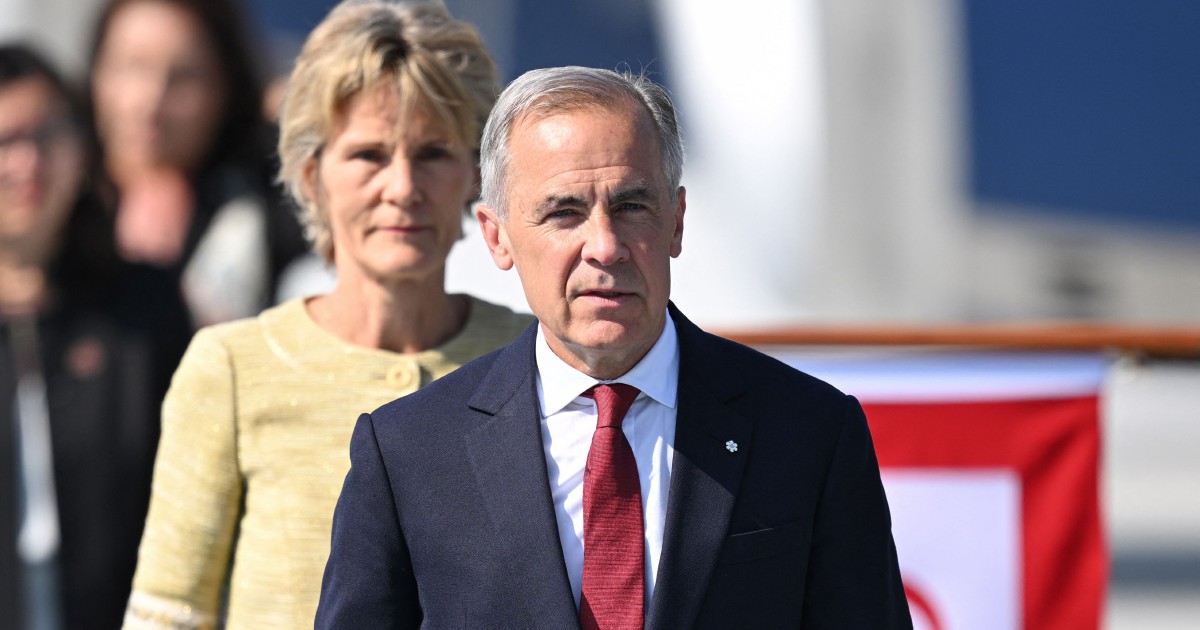
At the NATO summit held in Ankara, Turkey, Canadian Prime Minister Mark Carney seized a lighthearted moment to pitch an unconventional recruitment proposal. Speaking with his Norwegian counterpart, Carney made a playful attempt to persuade Norway to part with one of world football's most prolific strikers, Erling Haaland, for Canada's next World Cup qualification push. The exchange, delivered with characteristic wit, offered a glimpse of the informal camaraderie that often accompanies high-level diplomatic gatherings, where serious geopolitical discussions are occasionally punctuated by moments of levity.
Haaland, who currently plays for Manchester City, has established himself as one of the premier goal-scoring talents in global football. The Norwegian forward's exceptional form in the English Premier League has made him a coveted asset for any national team seeking to bolster its attacking options. His nationality, however, firmly ties him to Norway's national squad, making Carney's proposition more theatrical overture than serious negotiation. Yet the Canadian leader's willingness to inject humour into international relations reflects a broader diplomatic approach that humanizes leaders and builds rapport across borders.
Canada's football programme has undergone significant transformation in recent years, with the men's national team showing considerable progress in World Cup qualification cycles. The country's participation in recent tournaments and competitive matches against elite footballing nations has raised expectations domestically and internationally. Carney's quip, while obviously tongue-in-cheek, underscores growing ambitions within Canadian sports administration to compete more effectively on the global stage. The comments signal that football development remains on the radar for national leadership, even as other pressing priorities dominate government agendas.
The NATO summit provided an unusual backdrop for football banter, as delegations from member states gathered to address security concerns affecting Europe and the Atlantic alliance. Such gatherings typically focus on military strategy, defence spending, and geopolitical tensions, yet they also serve as venues where leaders build personal relationships that can facilitate cooperation on various bilateral and multilateral issues. The informal interaction between Carney and his Norwegian counterpart exemplifies how diplomatic meetings often extend beyond formal conference rooms and prepared statements.
Norway's football culture runs deep, with Haaland representing a new generation of Scandinavian talent that has gained prominence in top European leagues. The country takes considerable pride in nurturing young players and developing competitive national squads. Haaland's success abroad has elevated Norway's international sporting profile, even as the nation itself has not qualified for recent World Cup tournaments. This context makes the playful recruitment bid all the more amusing, as it touches upon both Canada's aspirations and Norway's investment in developing world-class athletes.
The exchange also reflects broader trends in how contemporary political leaders communicate. Modern diplomacy increasingly accommodates informal moments and personality-driven interactions, particularly among leaders from traditionally friendly nations. Canada and Norway share common values within the NATO alliance, democratic governance structures, and commitment to Western security frameworks. Such shared ground allows for the kind of relaxed banter that might be less likely between leaders from rival nations or adversarial power blocs.
Canada's World Cup ambitions take on particular significance within the North American football context. With the upcoming tournaments and qualification cycles, Canadian football administrators continue pushing for improved player development pathways and competitive success. While recruiting established international players like Haaland remains pure fantasy, the underlying sentiment reflects genuine efforts to strengthen Canada's footballing capabilities through various legitimate mechanisms including youth development, coaching expertise, and strategic partnerships.
The timing of Carney's remarks at the NATO summit in Turkey underscores how international diplomacy encompasses informal communication channels and interpersonal dynamics alongside formal negotiation. Leaders frequently use such moments to establish personal connections that may prove valuable when addressing more serious bilateral or multilateral issues. The Canadian Prime Minister's willingness to engage in self-deprecating humour about his nation's football ambitions demonstrates a confident diplomatic style that can disarm tension and create goodwill.
For Malaysian readers following international football and diplomatic developments, this exchange illustrates how sporting references permeate discussions even at the highest levels of global governance. Southeast Asian nations, increasingly active in international forums and security partnerships, can observe how leaders from established Western alliances navigate informal diplomacy. The incident also reminds sports enthusiasts worldwide that football's reach extends far beyond stadiums and training grounds, touching upon national pride, international relations, and the personalities shaping global affairs.

