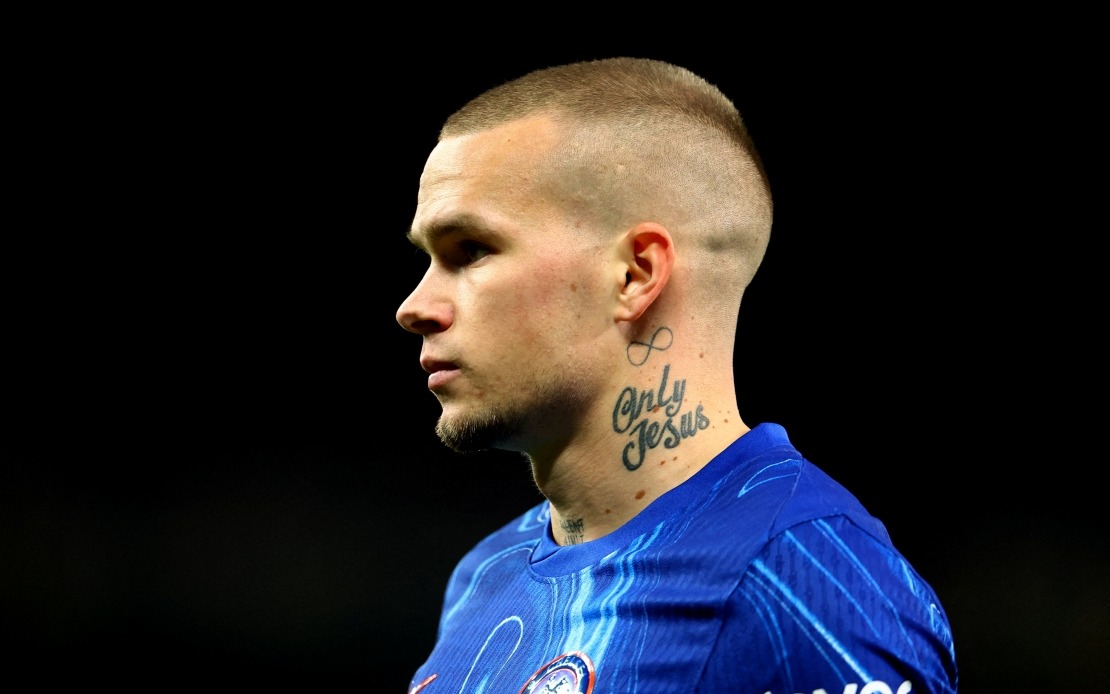
Chelsea's Ukrainian winger Mykhailo Mudryk can resume his football career without delay following a breakthrough agreement between the Football Association, the World Anti-Doping Agency, and the player himself. The 25-year-old had been suspended for four years after testing positive for meldonium, a banned substance, in 2024, but the resolution of his appeal at the Court of Arbitration for Sport means he is now eligible to play competitive matches once more.
The case took an unusual turn when developments in anti-doping testing procedures proved pivotal to the final outcome. The FA disclosed that evolving scientific standards in analytical testing have since been revised, and critically, these new benchmarks mean that if Mudryk's original sample were tested today using current technical requirements, it would not have returned a positive result. While the FA emphasised that these changes are not retroactive in nature, they provided important context for negotiations between all parties involved.
In reaching the settlement, Mudryk accepted responsibility for the anti-doping violations he was originally charged with, but his period of ineligibility was effectively concluded as of the date the agreement was formalised. This means the time he has already spent unable to compete counts as having satisfied the ban, allowing him to walk away from the dispute with his playing record cleared. The resolution required the explicit approval of WADA, underscoring the seriousness with which the anti-doping machinery treats any modifications to ongoing cases.
The £62 million signing from Shakhtar Donetsk in January 2023 had made considerable promise before the suspension derailed his early Chelsea career. In his limited appearances before the ban took effect, Mudryk accumulated 73 matches across all competitions and registered nine goals for the west London club. His arrival coincided with Chelsea's ambitious recruitment drive, and his youth and talent had suggested he would develop into a key attacking asset for the club in coming seasons.
Chelsea has moved swiftly to welcome Mudryk back into the fold, issuing a statement that acknowledges the ordeal he faced both professionally and personally. The club made clear that it had maintained its support for the player throughout the legal process while respecting the integrity of the anti-doping system. Club officials highlighted their satisfaction with the recognition that modern testing standards, had they been available during Mudryk's original test, would have produced a different outcome, thereby validating their confidence in the player's account.
The context of the resolution is particularly significant for professional football, as it demonstrates how scientific advancement can intersect with sporting governance. The FA's acknowledgment that analytical standards have evolved serves as a reminder that doping procedures, like all scientific frameworks, are subject to refinement and improvement. This broader narrative allowed all parties to reach closure without completely exonerating Mudryk in formal terms, yet effectively restoring his reputation and career prospects.
Mudryk himself has consistently maintained that he neither knowingly nor deliberately consumed any prohibited substance and remained uncertain how traces of meldonium entered his system. Throughout the dispute, the player demonstrated what observers describe as resilience and professionalism despite facing the career-threatening consequences of a four-year suspension during what should have been his breakthrough years at an elite club. His social media statement following the resolution conveyed both relief and gratitude, characterising the suspension as the most difficult chapter of his career.
The player's agent, Vadim Shablii, reinforced this narrative by emphasising Mudryk's composure and integrity during the investigative and appeal phases. Shablii's comments reflected satisfaction that the process had reached a conclusion and expressed appreciation to those who had supported Mudryk and respected the legal proceedings. This measured language from the player's representatives suggests a desire to move beyond recriminations and focus exclusively on Mudryk's reintegration and future development.
Chelsea's commitment to supporting Mudryk's reintegration into the squad carries practical significance for the club's attacking options in the coming seasons. The winger will now have the opportunity to prove himself at Stamford Bridge, though he will face the challenge of regaining match fitness and rhythm after an extended absence from competitive action. The club's public support suggests they remain convinced of his long-term value despite the setback his career has suffered.
For the broader anti-doping framework in professional sport, the Mudryk case exemplifies both the rigour of anti-doping enforcement and the flexibility required when scientific understanding advances. The resolution demonstrates that sports governing bodies can adapt their procedures and acknowledge when improved testing standards would have produced different outcomes, even if retroactive application remains off the table. This balance between maintaining the integrity of anti-doping efforts and recognising the limitations of earlier testing methodologies will likely inform how similar situations are handled in future.
Mudryk's return to the pitch will be closely watched not only by Chelsea supporters eager to see the player justify his substantial transfer fee, but also by the broader football community interested in his rehabilitation after such a significant disruption. The player now has the opportunity to demonstrate the talent that earned him his expensive move to the Premier League, though the mental and physical toll of his suspension cannot be overlooked. His successful comeback could provide a template for how players navigate high-stakes anti-doping disputes while maintaining their careers and reputations.

