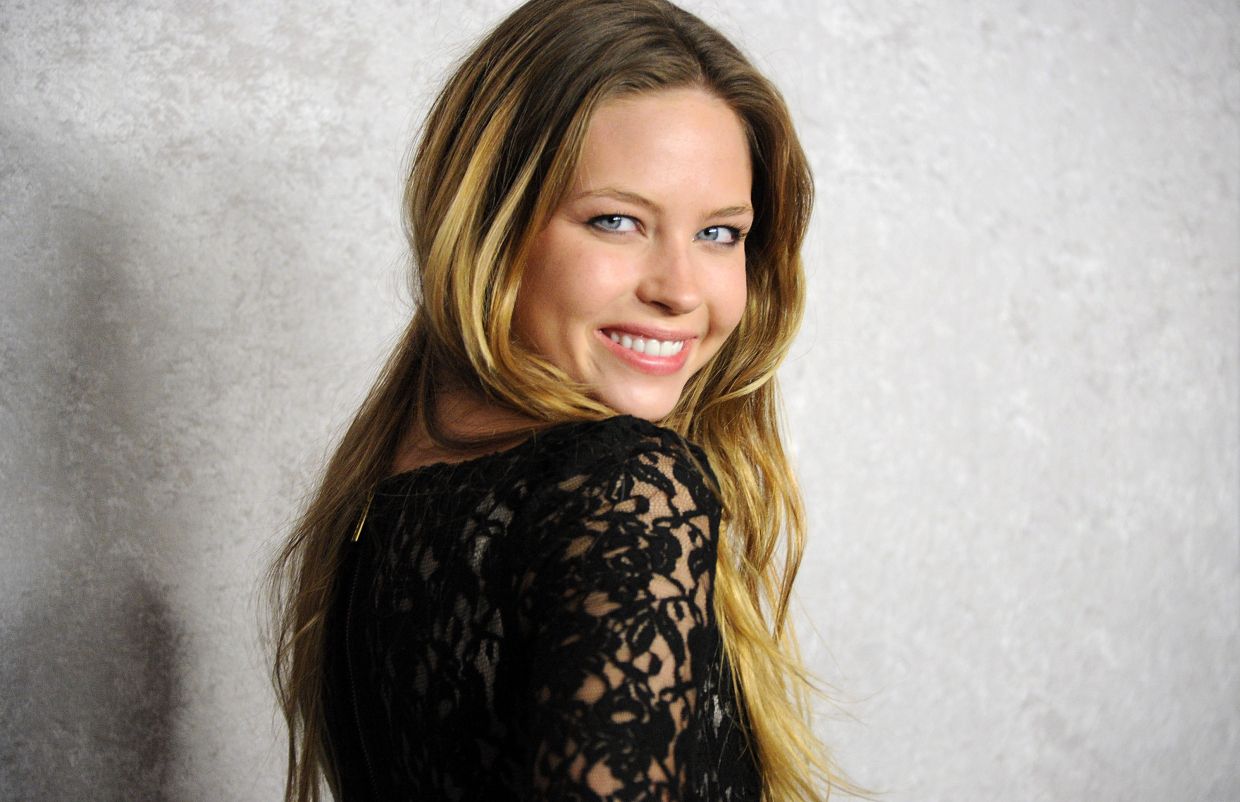
The probate courts of Los Angeles have revealed an unexpected financial reality surrounding the death of Daveigh Chase, the former child star whose voice became iconic to millions of Disney fans worldwide. Despite accounts that she was living rough on the streets immediately before her death, court filings indicate she possessed a substantial estate valued at around RM1.6 million, a discovery that raises complex questions about her circumstances in her final years and whether those closest to her were aware of her assets.
Chase passed away on June 16 at a Los Angeles hospital, having reached only 35 years of age. In the immediate aftermath of her death, her father provided statements to media outlets describing how she had been residing without stable housing in the area surrounding the medical facility where she spent her last moments. These accounts painted a portrait of a woman whose life had descended into precarious circumstances, yet the subsequent revelation of her accumulated wealth presents a starkly different narrative about her material condition.
Her mother, Cathy Chase, initiated legal proceedings in the Los Angeles Superior Court earlier this month to secure her appointment as the estate's administrator. According to probate documentation that has come into public view, Cathy has sought court approval for a bond valued at US$400,000 as security for her administration of the estate. A formal probate hearing has been scheduled for August 12, when the court will consider these matters and determine how the estate will be managed and distributed according to legal requirements.
The medical examiner's office in Los Angeles attributed Chase's death primarily to acquired immunodeficiency syndrome, with simultaneous drug use identified as a contributing factor. This clinical determination, while revealing the immediate cause of her passing, does little to explain the apparent disconnection between her documented homelessness and the financial resources she apparently possessed. The circumstances surrounding her death raise important questions about access to medical care, social services, and the situations that can befall individuals, even those with financial means, when mental health, substance use, and social support systems fail.
Chase had once occupied a prominent position within the entertainment industry as a child actor during the 1990s and early 2000s. Her most recognisable role came through her voice work as Lilo in Disney's animated feature, a character that introduced her to countless families across the globe and established her as a working professional in Hollywood's competitive landscape. For a period during her youth and early adulthood, she was sufficiently in demand to maintain a steady career in the medium.
However, the trajectory of her professional life shifted dramatically around 2016, when she stepped away from the industry entirely. That year marked both her final credited film appearances and her apparent decision to cease pursuing acting work altogether. The transition from working professional to complete absence from the entertainment world occurred relatively suddenly, suggesting significant personal circumstances prompted this withdrawal, though the specific details of her decisions during this period remain unclear from public records.
The trajectory took a darker turn in 2017, when Chase encountered the legal system under serious circumstances. She was arrested following accusations that she had fled from the scene of an incident outside a hospital, leaving behind an individual who was dying. Although she was not considered a suspect in that person's death itself, the arrest warrant that authorities had sought to execute at the time suggested she had other outstanding legal obligations. This incident, occurring approximately four years before her death, indicated that her situation had deteriorated significantly since her departure from acting.
The years separating the 2017 arrest from her 2024 death remain poorly documented in terms of publicly available information about her daily existence and circumstances. What emerges from court documents is that despite whatever struggles she faced and however her life appeared to those around her in her final moments, she had accumulated considerable financial assets. This peculiar contrast invites speculation about whether those assets were managed, accessible, or even known to her during her decline, or whether they represented funds from earlier career success that had become isolated from her actual lived experience.
For Malaysian audiences and Southeast Asian observers of celebrity culture, Chase's story offers a sobering perspective on the realities that can befall child performers who achieve early success within the American entertainment system. The combination of early fame, subsequent invisibility, substance use, homelessness, and an unexpectedly large estate illustrates how fragmented a person's life can become, and how public perception of someone's circumstances may diverge sharply from their actual financial status. Her case underscores broader issues concerning social safety nets, mental health support, and the particular vulnerabilities of former child actors who may have experienced exploitation or psychological trauma early in their careers.
The probate proceedings set to unfold in Los Angeles courts will likely provide additional details about how Chase accumulated her wealth, what happened to those assets during her years away from the spotlight, and what ultimately becomes of the estate. For family members like her mother, these legal processes offer both the opportunity to manage her affairs properly and, potentially, insight into facets of her daughter's life that may have previously remained hidden. The case serves as a reminder that behind entertainment industry headlines and sudden death announcements often lie complex personal stories that resist simple narratives.

