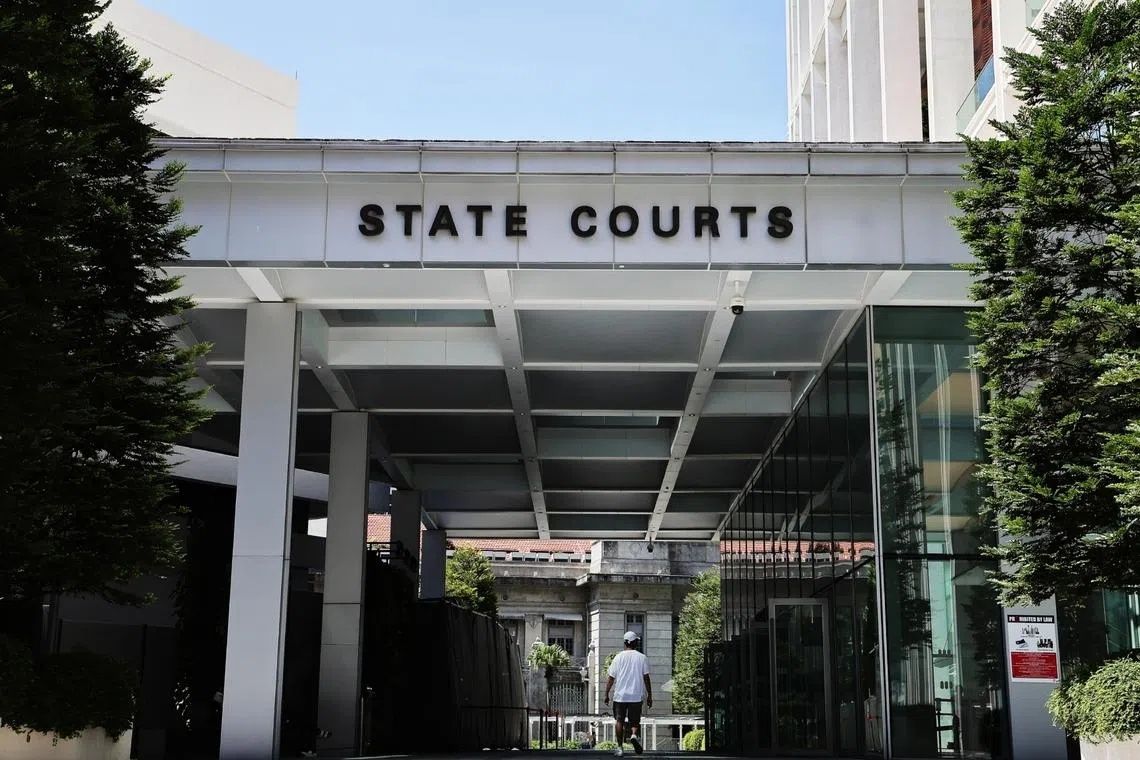
A Chinese national has confessed to orchestrating a coordinated burglary spree across Singapore's most exclusive neighbourhoods within days of arriving in the island nation for the first time. Huang Xiaozong, 41, entered guilty pleas on Friday to two counts of housebreaking, with sentencing scheduled for August 14. The case illustrates the vulnerability of high-value properties when occupants are away and the speed with which organised theft can occur in residential areas that residents often assume are secure.
Huang's criminal venture began with deliberate reconnaissance. Upon landing in Singapore on December 5, 2025, the visitor conducted research to identify where the city-state's wealthiest residents concentrated their homes. This methodical approach suggests premeditation rather than opportunistic crime. Having checked into a hotel in Little India, he spent his first full day in the country scouting Sentosa, a prestigious island resort destination, where he identified a luxury hotel suite occupied only intermittently by its owner.
The initial theft demonstrated both audacity and familiarity with security vulnerabilities. On December 6, after confirming the suite was unoccupied, Huang forced entry through the rear balcony, breaching the sliding door to gain access. Working swiftly through the unit, he targeted high-value portable items: a Chanel timepiece valued at S$30,000, five rings totalling S$25,000, and a gold necklace worth S$3,000. The theft remained undiscovered for two days, suggesting the property's owner had an extended absence abroad, providing an extended window for the burglar to operate undetected.
Barely 24 hours after his first successful raid, Huang relocated his criminal attention to Serangoon Gardens, an established residential enclave favoured by affluent families and expatriates. Between 7 and 8 p.m. on December 7, he surveyed houses in the area, selecting properties that displayed obvious signs of vacancy. When he identified a darkened residence with no occupants visible, he scaled the perimeter gate and entered the premises. Inside, he systematically collected jewellery exceeding S$47,000 in value, including multiple rings, gold chains, a diamond necklace with matching earrings, and a pair of wedding rings, likely representing significant sentimental value to the owners.
Huang's second night in Serangoon Gardens proved less successful than his initial foray. Spotting another apparently empty house, he again climbed the gate and commenced searching. However, his presence was detected by a domestic helper employed at the residence, who confronted him directly. Rather than risk confrontation, Huang abandoned his search and hurried back to his hotel, still carrying the substantial haul from his first successful break-in that evening.
The scale of his thefts underscores the vulnerability of homes even in neighbourhoods with strong reputations for security. The stolen items from both locations totalled S$105,000, a sum reflecting the concentration of wealth in these addresses. Detectives traced Huang rapidly through hotel records after the second burglary was reported that evening, leading to his arrest on December 8. The quick apprehension prevented further targeted offences and aided the recovery investigation, though the court documents do not clarify whether all stolen items were subsequently recovered.
Huang's case carries broader implications for Singapore's residential security landscape. The perpetrator's pre-arrival research, identifying wealthy areas through publicly available information, highlights how overseas criminals can scout targets before arriving physically. The concentration of high-value assets in specific postcodes, while economically rational for wealthy residents, creates what criminals perceive as opportunity clusters. The two-day discovery delay at the Sentosa property also illustrates how intermittent occupancy leaves homes exposed, particularly when owners travel internationally for extended periods.
For Malaysian readers and the broader Southeast Asian context, Huang's swift transition from arrival to organised crime raises questions about how international visitors are monitored and whether financial crime networks coordinate burglary operations across regional destinations. Singapore's dense concentration of wealth, international connectivity, and transient expatriate population may present attractive conditions for such criminal operations. The case also reflects how easily residential burglary can be planned using internet resources and observational surveillance, techniques that travel across borders and regional boundaries.
The timing of Huang's crimes during the end-of-year period, when many affluent residents travel abroad for extended holidays, appears deliberate. This seasonality is significant for Southeast Asian law enforcement agencies considering resource allocation and public awareness campaigns. The court's handling of the case, with guilty pleas accepted and sentencing deferred, suggests cooperation with authorities and possible repatriation arrangements, a common outcome for foreign nationals convicted in Singapore.
Beyond the immediate criminal culpability, Huang's case demonstrates why residential security has become increasingly sophisticated in premium Singapore addresses. Alarm systems, CCTV with cloud backup, motion sensors, and neighbourhood watch programmes have become standard rather than optional. The incident may prompt insurance reviews and security audits among property owners in Sentosa and Serangoon Gardens, alongside broader community discussions about perimeter security and occupancy patterns.
The S$105,000 in stolen valuables represents not merely monetary loss but the violation of security assumptions that residents invest in when choosing to live in expensive enclaves. Insurance claims will follow, potentially elevating premiums across the affected properties. For Singapore's law enforcement agencies, the case reinforces that international crime, even when executed by individuals, requires coordinated border monitoring and intelligence sharing with neighbours including Malaysia, which receives many transiting visitors headed for island destinations.
Huang's guilty pleas suggest he may receive a sentence reflecting cooperation with investigators, though Singapore's courts maintain stringent penalties for theft and housebreaking. The case file will likely be studied by security consultants and insurance companies across the region as a textbook example of how premeditated residential burglary operates at scale, executed by a carefully planning individual rather than a disorganised intruder.

