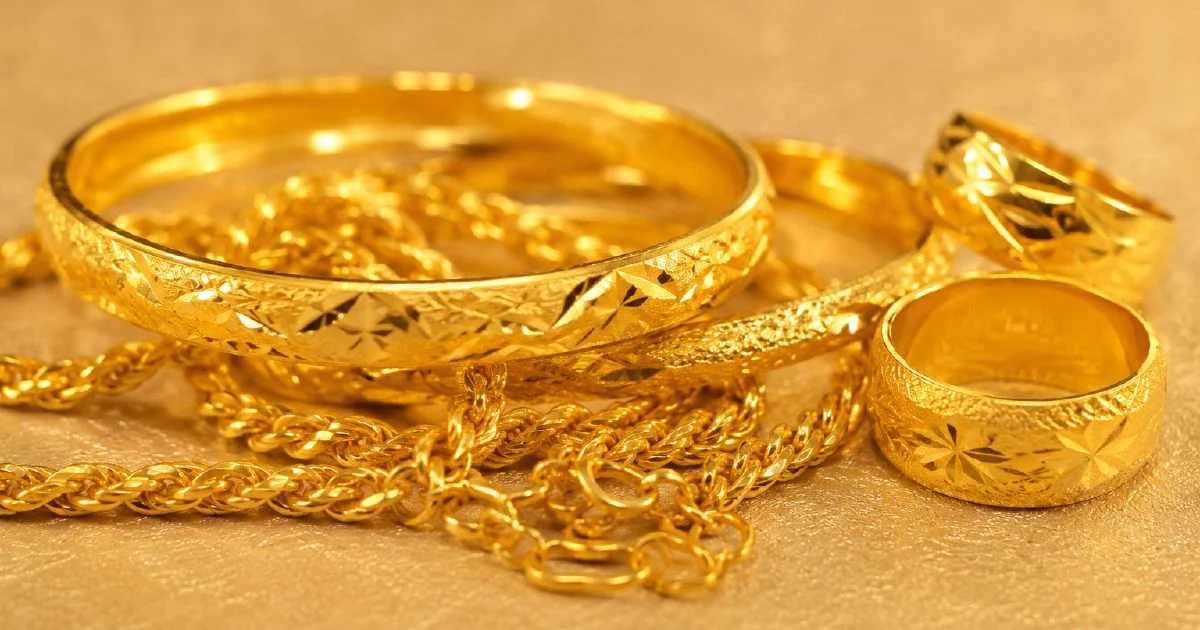
A Chinese national appeared before a magistrate's court in Kuala Lumpur to deny charges related to a significant precious metals fraud case involving the sale of counterfeit jewellery to a local gold dealer. The accused was alleged to have deceived the victim by presenting gold-coated mixed-metal jewellery as genuine pure gold, causing financial losses of RM37,054.
The case highlights an ongoing concern within Malaysia's jewellery and precious metals sector, where fraudsters employ increasingly sophisticated methods to pass off substandard or counterfeit items as authentic precious metals. Such scams have become more prevalent as gold prices remain volatile and dealers struggle to authenticate products with complete certainty, particularly when faced with professional-looking counterfeits designed to bypass preliminary screening tests.
Precious metals fraud cases in Malaysia typically involve elaborate deception schemes where perpetrators exploit the technical challenges inherent in on-the-spot metal authentication. The difference between pure gold and gold-coated base metals can be difficult to detect without specialized laboratory testing, creating opportunities for unscrupulous traders to operate undetected until significant financial damage occurs. The RM37,054 sum involved in this case suggests the scam likely involved substantial quantities of jewellery rather than isolated items.
The entry of a not guilty plea indicates the accused intends to contest the evidence presented by prosecutors, potentially raising questions about how the materials were assessed and whether proper authentication procedures were followed at the point of transaction. Defence strategies in such cases often emphasize ambiguities in metal testing protocols or suggest the dealer may have failed to conduct adequate verification before accepting the merchandise.
Gold dealers operating in Malaysia operate within a framework requiring vigilance against fraud, yet they face practical difficulties in implementing foolproof authentication systems. Many depend on visual inspection, weight analysis, and basic testing equipment that can sometimes produce inconclusive results with advanced counterfeits. This case may serve as a reminder to businesses handling precious metals that investing in certified laboratory testing for substantial transactions represents essential due diligence.
For consumers and small-scale jewellers purchasing from suppliers, the implications are significant. The incident underscores the importance of sourcing materials from established, verified dealers and insisting on certificates of authenticity for major purchases. Many businesses across Southeast Asia have experienced similar scams, prompting industry bodies to strengthen verification standards and encourage adoption of blockchain-based tracking systems for precious metals.
The Malaysian authorities have pursued such cases with increasing determination as part of broader efforts to protect legitimate traders and maintain consumer confidence in the jewellery market. Prosecuting cases involving fraudulent precious metals sales sends an important signal that the country takes financial crimes seriously, particularly those targeting businesses rather than individuals. Conviction rates in such cases often depend heavily on forensic evidence and expert testimony regarding the materials' composition.
This case also reflects broader patterns of cross-border fraud affecting Malaysia's retail and wholesale sectors. Chinese nationals have been implicated in various commercial fraud schemes across the region, though it is crucial to note that such cases represent a tiny fraction of legitimate business interactions between Malaysian and Chinese traders. The incident should not be generalized into broader commentary about bilateral trade relationships.
The judicial process ahead will determine whether sufficient evidence exists to prove guilt beyond reasonable doubt. Magistrate's court proceedings for fraud cases of this magnitude typically involve detailed examination of documentary evidence, transaction records, and expert analysis of the materials in question. The accused will have opportunities to present a defence case and challenge the prosecution's evidence.
For the gold dealer and the broader jewellery industry, this case highlights the importance of maintaining detailed transaction records and contemporaneous documentation of material specifications at the point of purchase. Traders who can demonstrate they conducted reasonable due diligence have stronger legal positions should disputes arise. Many industry associations now recommend implementing standardized authentication protocols and maintaining relationships with independent assay laboratories for verification purposes.
The resolution of this case will likely be closely monitored by the jewellery and precious metals sector in Malaysia, potentially influencing how businesses approach authentication and risk management going forward. Whether the court sustains the charges or the accused is acquitted, the proceedings will contribute valuable jurisprudence regarding fraud standards and evidentiary requirements in precious metals transactions.
For consumers across Malaysia and the region, cases like this serve as important reminders that purchasing precious metals requires caution and verification. Reputable dealers maintain transparent sourcing practices, provide certificates of authenticity, and welcome independent testing. As gold prices remain subject to global market fluctuations, the temptation for fraudsters to capitalize on gaps in authentication systems persists, making ongoing consumer vigilance and regulatory enforcement essential components of a healthy jewellery market.

