The summer travel landscape for mainland Chinese tourists is undergoing a significant transformation, with a pronounced shift towards nearby Southeast Asian destinations as economic headwinds and regional tensions reshape holiday preferences. While overall outbound travel from China remains substantial, the destinations capturing tourist spending have fundamentally changed, signalling broader implications for regional tourism economies and travel industry recovery patterns across Asia.
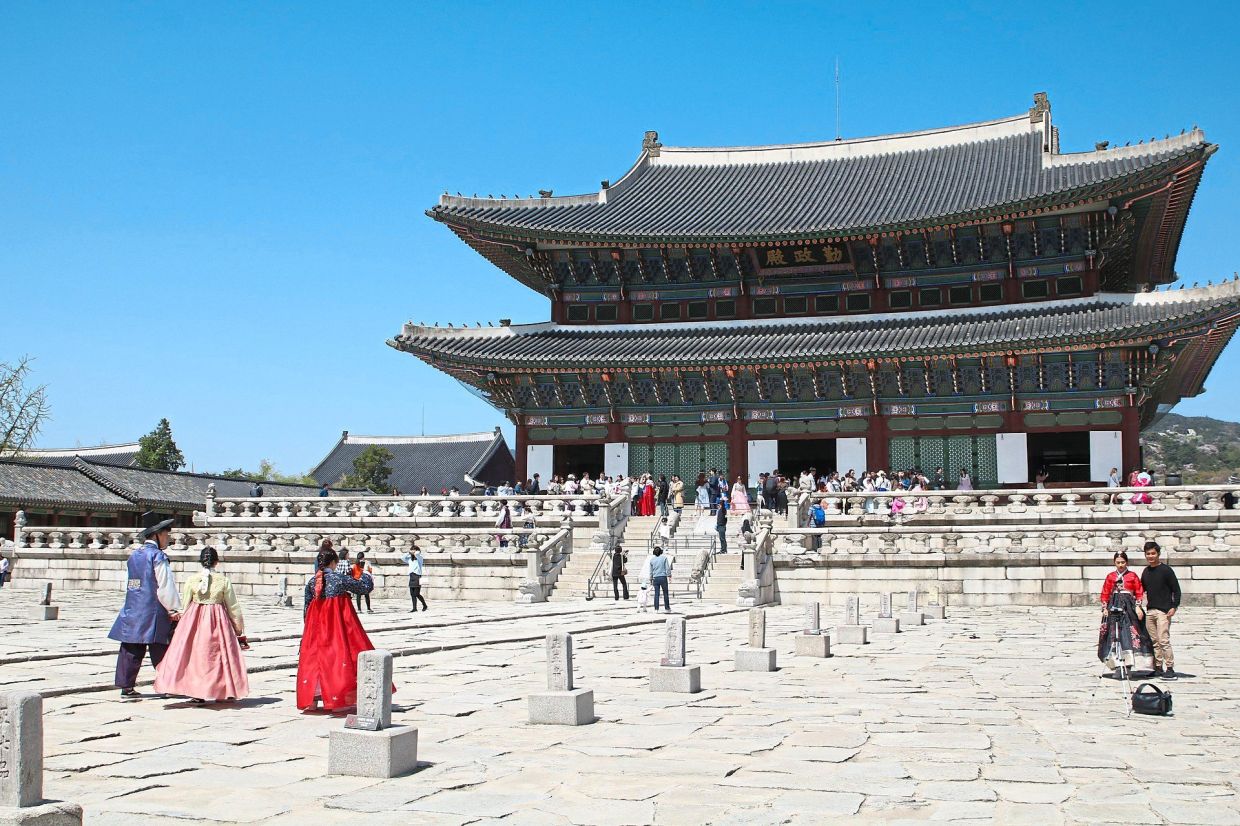
South Korea currently leads the destination rankings, with Seoul positioned to welcome approximately 2.15 million mainland Chinese visitors during the June-through-August period, representing a 14 percent year-over-year increase according to travel analytics specialists. Hong Kong follows closely with projected arrivals of around 1.94 million visitors. Yet beneath these headline figures lies a more nuanced story about regional tourism redistribution, where Southeast Asian centres are experiencing disproportionate gains at the expense of traditional long-haul markets.
Within Southeast Asia, the rebalancing favours proximity and accessibility. Kuala Lumpur has recorded a notably robust 16 percent year-on-year expansion in mainland Chinese bookings, positioning Malaysia as a clear beneficiary of the regional travel realignment. Vietnam has emerged as another significant draw, with both Ho Chi Minh City and Hanoi securing positions within the top ten destinations for Chinese travellers. This concentrated clustering of visits within the region reflects a deliberate recalibration of travel choices centred on convenience, reduced flight times, and presumably lower overall journey costs compared to more distant international destinations.
The deterioration of travel to historically popular Western destinations underscores how dramatically preferences have shifted. London has fallen markedly down the rankings, now positioned below both Osaka and Jeju in tourist appeal. More strikingly, Japan—once a perennial favourite commanding substantial Chinese visitor numbers—has experienced a particularly sharp reversal. Tokyo visitor arrivals have plummeted by 26 percent during the summer season, while Osaka has failed to retain its position among the top ten destinations despite historical popularity. These declines reflect the intersection of geopolitical friction and deliberate policy messaging from Beijing.
The cooling towards Japan stems partly from inflammatory statements made by Japanese Prime Minister Sanae Takaichi regarding potential military involvement should China attempt military action against Taiwan. Such rhetoric prompted Beijing to discourage its citizens from travelling to Japan, effectively mobilizing state influence over individual travel decisions. Japan's National Tourism Organisation has documented the practical consequences, recording a precipitous 60 percent drop in mainland Chinese visitors during May alone, demonstrating the rapid impact of political messaging on tourism flows.
Beyond geopolitical considerations, broader economic anxieties are reshaping how Chinese travellers approach holiday expenditure. While outbound trip volumes remain substantial—with projections indicating more than 184 million trips and US$265 billion in spending anticipated this year—the character of spending has noticeably changed. Per-trip expenditure peaked at a two-year high of US$4,085 in March but has subsequently moderated as economic growth concerns and ongoing property sector challenges erode consumer confidence. Travellers are increasingly focused on extracting maximum satisfaction from constrained budgets, intensifying competitive pressures among destinations to demonstrate value propositions.
This emerging pragmatism manifests across purchasing patterns and shopping behaviour. Mainland Chinese tourists remain engaged shoppers, yet they now prioritize comparative pricing and actively seek promotional opportunities. Duty-free spending by Chinese travellers has declined this year relative to the previous year despite sustained interest in fashion and beauty products, which currently account for approximately 76 percent of monthly spending compared to 71 percent in June 2025. Conversely, purchases of high-ticket luxury items including jewellery and watches have contracted to 23 percent of spending from 28 percent previously, suggesting a deliberate pivot towards more practical acquisitions over aspirational luxury goods.
Regional disruptions have additionally dampened travel confidence and capacity. The conflict in the Middle East created temporary but significant disruptions to flight operations, with June expected to see approximately 4.9 million outbound Chinese travellers through month-end, declining from 5.3 million in the comparable 2024 period. These disruptions have reinforced the appeal of shorter-haul destinations where flight reliability and accessibility remain superior to routes requiring Middle Eastern transit corridors. Airlines managing fuel surcharges, insurance costs, aircraft utilization, and schedule recovery face pressure to rebuild capacity more rapidly than travellers can restore confidence in previously disrupted routes.
Travel analysts attribute the destination reshuffling to a fundamental recalibration of priorities among Chinese holidaymakers. As economies of destinations are more carefully evaluated, those offering geographic proximity, reliable connectivity, competitive pricing, and perceived safety have captured disproportionate attention. Southeast Asia's positioning along multiple vectors—physical nearness requiring shorter flight durations, reduced jet lag impacts, lower accommodation and dining costs, and established infrastructure for accommodating large Chinese visitor volumes—positions the region advantageously within this new decision-making framework.
A tentative ceasefire agreement between the United States and Iran may provide modest recovery momentum for alternative travel routes, though industry observers anticipate that restoration of Gulf transit corridors will proceed gradually. Airlines require extended timeframes to normalize fares and restore full capacity across previously disrupted networks, meaning short-haul Asian travel is expected to maintain strength through autumn months. The divergence between airline capacity recovery speeds and traveller confidence restoration suggests that regional Asian destinations will likely sustain robust visitation flows as international route normalization progresses more slowly than operational capacity improvements.
For Malaysia and other Southeast Asian economies dependent on Chinese tourism expenditure, the summer rebalancing presents a strategic opportunity. The combination of geographic advantage, established tourism infrastructure, and favourable value positioning places these destinations in an advantageous position relative to more distant competitors. However, sustaining this advantage requires continuous attention to competitive differentiation, quality of visitor experiences, and pricing strategies that maintain appeal to increasingly value-conscious travellers navigating persistent economic uncertainty.

