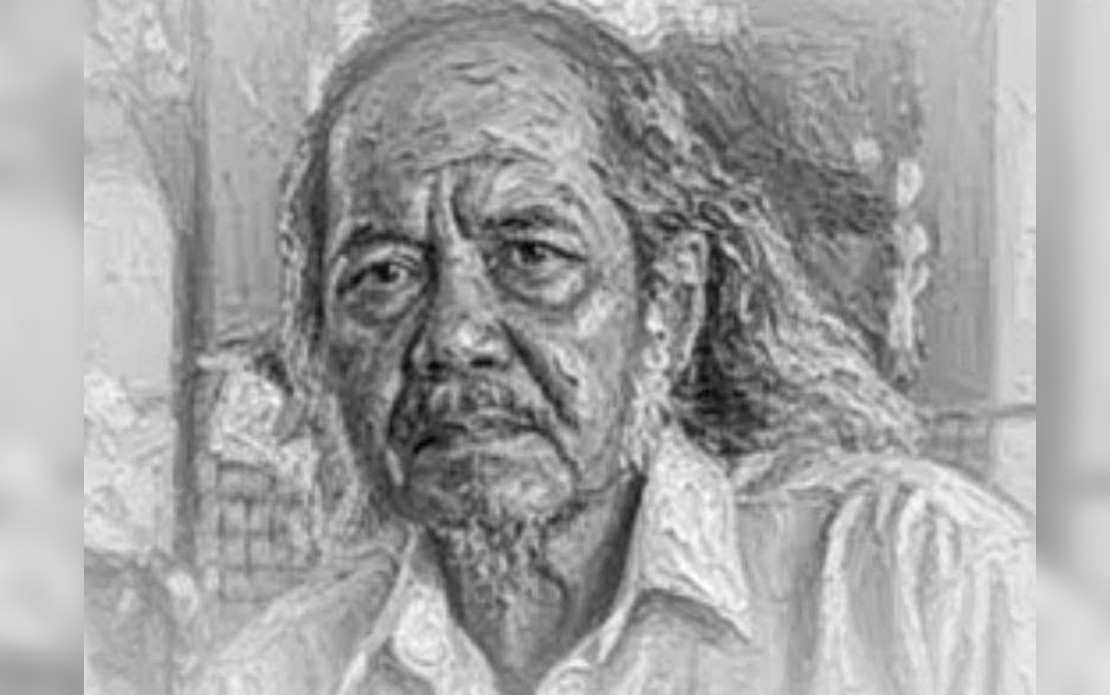
Kamarozaman Yusoff, the veteran Malaysian actor affectionately known as Cik Man, has passed away at the age of 68 following complications from heart disease. The acclaimed performer died at 5.30 pm at Tanah Merah Hospital in Kelantan, prompting tributes from industry bodies and peers who recognised his profound impact on local cinema and television over more than four decades. The Malaysian Artistes' Association (SENIMAN) described his death as a significant loss to Malaysia's creative landscape, with secretary-general Hafiz Nafiah releasing a formal statement acknowledging the actor's immense contributions to the nation's arts sector.
Throughout his lengthy career, Cik Man established himself as one of Malaysia's most distinguished character actors, earning respect not through the pursuit of fame but through a commitment to authentic, deeply felt performances. His distinctive Kelantan dialect became his professional hallmark, a characteristic that audiences came to instantly recognise and appreciate. Rather than chasing leading-man roles or commercial visibility, he crafted a reputation grounded in artistic integrity and technical excellence. This approach earned him admiration from fellow professionals and emerging actors who recognised that his trajectory represented a dedication to the craft itself rather than celebrity status or public recognition.
Hafiz elaborated on Cik Man's singular qualities, emphasising that his discipline, focus, and professional commitment set him apart in a competitive industry. These attributes influenced how younger actors approached their work, establishing a model of sustained excellence across decades. The actor's reluctance to seek the spotlight paradoxically enhanced his stature among industry insiders who valued substance over self-promotion. His reputation grew through the quality of performances rather than through interviews, appearances, or deliberate image-building, reflecting a bygone approach to acting professionalism that contemporary observers often view with nostalgia.
Cik Man's breakthrough came in 1986 when he played Farouk in the film Gila-Gila Remaja, a role that introduced audiences to his distinctive screen presence. This initial success paved the way for subsequent performances across multiple genres and media formats. His filmography expanded to include Rozana Cinta 87, the comedy films Rock, Rock Oo! and Rock Bro!, alongside dramatic works such as Tiada Tajuk and Cerita Hantu Malaysia. He also appeared in Mael Totey The Movie and Abu Si Raksasa, demonstrating versatility across diverse storytelling approaches. Beyond cinema, Cik Man contributed to television drama through the series Banyak Chanteq, maintaining a consistent presence across entertainment platforms throughout his career.
Among his numerous roles, the character he portrayed in the Rock film trilogy, directed by the late filmmaker Mamat Khalid, remains an indelible part of Malaysian cinema history. That series of films achieved significant cultural resonance, and Cik Man's performance became iconic enough that Malaysian audiences continue to recall these characters with affection decades later. The trilogy stands as evidence of his capacity to create memorable, complex characters that transcended mere entertainment to become cultural touchstones. His work alongside Mamat Khalid exemplified a creative partnership that produced films beloved across generations, with audiences returning to these works for both nostalgia and genuine appreciation of the performances.
The death of Cik Man represents the passing of an era in Malaysian cinema when actors cultivated their craft through disciplined training and sustained commitment rather than through rapid career cycling or brand management. His four-decade tenure in the industry spanned periods of significant evolution in Malaysian film and television production, from the 1980s through to recent years. Throughout these transformations in technology, audience expectations, and industry structures, he maintained consistent standards while adapting to changing production methods. This longevity itself demonstrates his professional adaptability and the genuine respect he commanded from producers and directors who continued to cast him across changing eras.
SENIMAN's official tribute underscores the broader significance of Cik Man's contributions beyond individual performances. The association acknowledged that while a major artist has departed, his body of work will continue to influence how Malaysian audiences experience cinema and how emerging performers approach character development. His performances serve as educational resources for those studying Malaysian acting traditions, representing a particular school of naturalistic, emotionally resonant performance that shaped Malaysian entertainment. The films and television shows featuring Cik Man remain accessible to new audiences discovering classic Malaysian entertainment.
The loss comes during a period when Malaysia's entertainment industry continues to evolve with technological change and shifting audience consumption patterns. Cik Man's career bridges earlier periods of Malaysian cinema with contemporary practices, making him a living link between different generations of filmmakers and viewers. His performances provide valuable reference points for understanding how local entertainment developed its characteristic styles and approaches. The preservation and celebration of his work becomes increasingly important as Malaysian cinema history requires documentation and analysis to understand the nation's cultural development.
SENIMAN's leadership extended formal condolences to Cik Man's family and associates, expressing gratitude for his role in elevating Malaysian creative arts on the international stage as well as domestically. The association framed his contributions as extending beyond entertainment value to encompass broader cultural significance. His dedication to his craft represented a particular philosophy about artistic work, one that prioritised integrity and mastery over commercial calculation. The Malaysian arts community will likely continue to reference his career as an example of sustained excellence and professional commitment, using his trajectory as a model for emerging talents seeking to establish lasting legacies within the industry.

