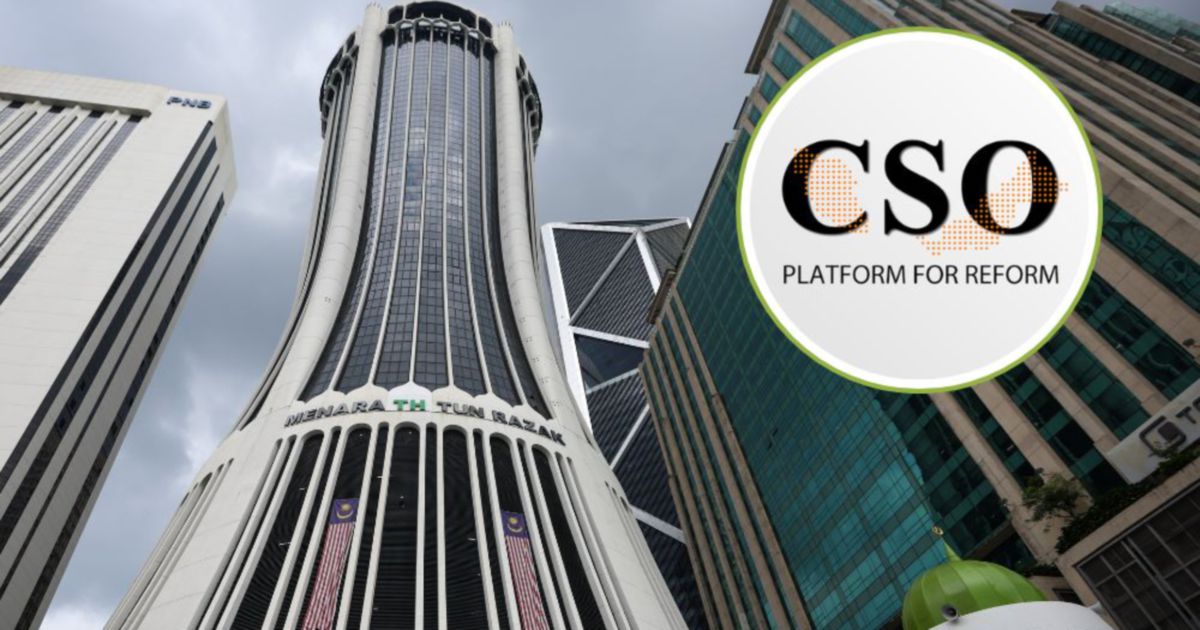
The CSO Platform for Reform has issued a forceful call for the government to establish an independent, comprehensive, and publicly transparent investigation into the institutional and governance failures that plagued Lembaga Tabung Haji, building on findings revealed in the recent Royal Commission of Inquiry report. The intervention from this umbrella body representing Malaysia's civil society actors marks growing pressure on authorities to ensure accountability across the institution that manages savings for millions of Muslim Malaysians planning their pilgrimage.
Tabung Haji's recent history has been marked by significant financial and reputational damage, stemming from years of questionable investment decisions, poor governance oversight, and management lapses that ultimately eroded public trust. The Royal Commission of Inquiry's investigations have exposed the depth of systemic problems within the institution, providing detailed documentation of how operational and structural weaknesses allowed institutional failures to accumulate over an extended period. These revelations have underscored the urgent need for thorough accountability mechanisms to address not just individual wrongdoing but the broader governance culture that permitted such failures to develop unchecked.
Civil society organisations argue that an independent probe is essential to establish the full scope of responsibility for the institution's difficulties. Without clear identification of where governance systems failed and who bears responsibility for critical decisions, they contend, meaningful reform and public confidence restoration become severely hampered. The call reflects broader concerns within Malaysian society about institutional accountability and transparency, particularly when public trust and citizens' retirement savings are at stake.
The institutional failures at Tabung Haji have had tangible consequences for millions of account holders whose savings have been at risk. Beyond the financial dimension, the scandal has damaged Malaysia's reputation as a guardian of trust in Islamic financial institutions and raised questions about regulatory oversight within the domestic financial ecosystem. For Malaysians planning their hajj journey, Tabung Haji represents not merely an investment vehicle but a trusted mechanism for achieving a profound religious obligation, making governance failures particularly significant in the nation's social fabric.
Civil society groups emphasise that any investigation must operate with genuine independence from executive influence and must conduct its work with complete transparency, allowing public scrutiny and media oversight. This stance reflects lessons learned from previous institutional investigations in Malaysia that have faced criticism for lacking genuine independence or failing to deliver actionable consequences. The CSO Platform for Reform's position suggests that stakeholders no longer accept investigations conducted within existing power structures where conflicts of interest might compromise findings or recommendations.
The push for an independent probe also reflects concerns about Tabung Haji's internal investigation capacity. While the institution has undertaken its own reviews, civil society argues that self-investigation carries inherent limitations in terms of credibility and thoroughness, particularly when systemic institutional problems are under examination. An external, genuinely independent team would bring fresh analytical perspectives and could operate without institutional constraints that might limit the scope or rigour of internal inquiries.
Comprehensiveness is another central demand from civil society observers. They stress that investigations must extend beyond immediate operational failures to examine how governance structures, board oversight mechanisms, internal audit functions, and regulatory supervision all contributed to allowing problems to develop and persist. This holistic approach would provide a complete diagnostic of what went wrong, establishing a foundation upon which effective remedial measures could be built. Piecemeal investigations focusing only on specific incidents or individuals risk overlooking systemic factors that enabled institutional dysfunction.
The timing of civil society's intervention reflects growing recognition that Tabung Haji's problems demand resolution beyond standard corporate restructuring approaches. The institution serves a unique role within Malaysia's financial and social ecosystem, managing resources dedicated to one of Islam's five pillars. This distinctive status means that addressing its failures requires more rigorous accountability frameworks than would typically apply to commercial financial institutions. Public institutions managing religiously significant assets operate within heightened expectations of integrity and stewardship.
Transparency in the investigation process itself has emerged as a key concern for civil society observers. They argue that public disclosure of investigation methodologies, preliminary findings, and final recommendations would ensure that restoration of public confidence proceeds on solid informational foundations. Confidential investigations, regardless of their thoroughness, struggle to rebuild trust once institutional credibility has been fundamentally damaged. Malaysian citizens and international observers alike deserve to understand what went wrong and how authorities propose to prevent recurrence.
The broader implication of civil society's stance extends to institutional reform across Malaysia's governance landscape. Tabung Haji's governance failures occur within a context where accountability and transparency have become increasingly central to public discourse about institutional legitimacy. The CSO Platform for Reform's intervention signals that civil society organisations will continue demanding rigorous standards of institutional accountability, particularly when public resources and citizen welfare are involved. This pressure represents an important dimension of Malaysia's evolving democratic maturity, where non-governmental actors increasingly hold institutional power to account.
Looking forward, the government faces a decision point regarding how seriously it will engage with civil society's accountability demands. Establishing a genuinely independent investigation would signal commitment to institutional transparency and public confidence restoration. Conversely, resistance to independent scrutiny could further erode trust and suggest that authorities prioritise limiting accountability over achieving systemic reform. For millions of Tabung Haji account holders and the broader Malaysian public, the investigation's independence and transparency will prove decisive in determining whether institutional reform produces genuine transformation or merely cosmetic adjustments to problematic structures.

