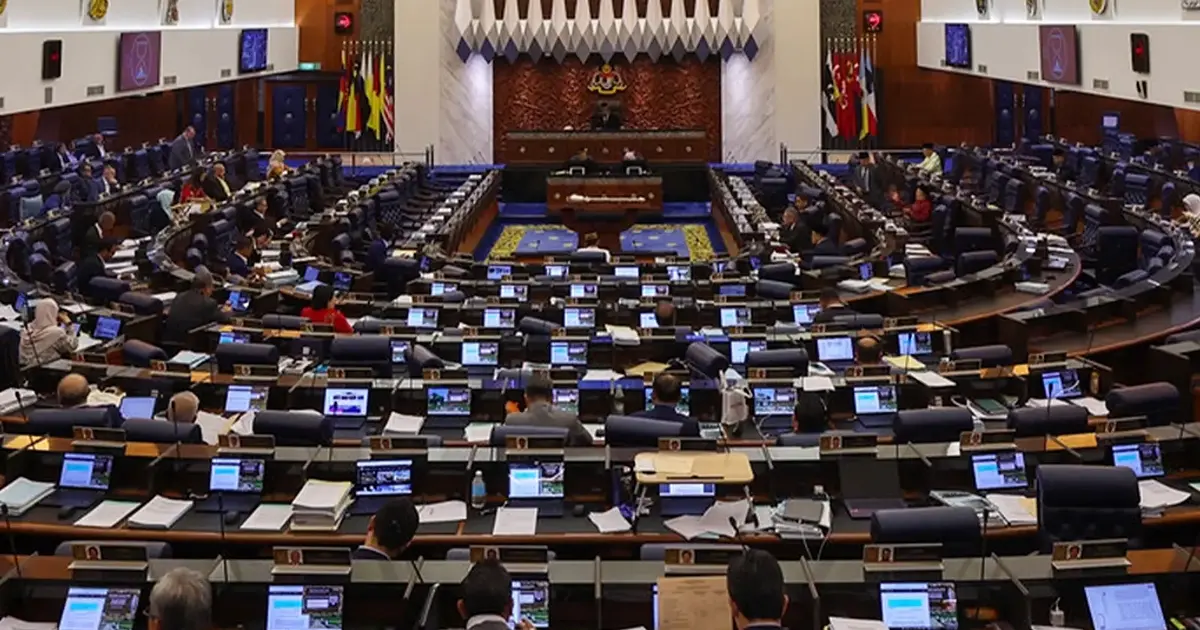
A coalition of Malaysian non-governmental organisations has issued an urgent call for the nation's political leadership to prioritise institutional reform over electoral calculation, urging the prime minister to complete the parliamentary term and broker a bipartisan agreement on governance improvements ahead of GE16. The appeal reflects growing concern among civil society groups that Malaysia's recurrent political instability and institutional weaknesses require sustained commitment from all major political players, not merely the ruling coalition.
The NGOs have proposed that the prime minister initiate a comprehensive summit convening key figures from both the government and opposition benches, creating a structured dialogue platform where substantive reform proposals can be negotiated and committed to before voters return to the ballot box. This approach seeks to establish continuity in governance priorities regardless of electoral outcomes, ensuring that whoever forms the next administration inherits a mandate for systemic improvement rather than merely a conventional transfer of power.
For Malaysian readers and Southeast Asian observers, this initiative carries particular significance given the nation's recent history of political volatility. The dissolution of Parliament has become an increasingly common tool for prime ministers seeking electoral advantage, disrupting policy continuity and deepening public cynicism about political institutions. By anchoring reform commitments across party lines before an election, civil society hopes to create structural disincentives against premature dissolution while establishing baseline standards that transcend partisan cycles.
The proposal addresses several dimensions of institutional vulnerability that have become apparent through Malaysia's constitutional and political experiences. Parliamentary independence, executive accountability, fiscal transparency, and the independence of institutions tasked with fighting corruption all feature prominently in reform agendas discussed among civil society organisations. By securing opposition agreement to these principles before the election, the NGOs argue that subsequent administrations would face considerably stronger normative and political pressure to implement rather than dismantle such measures.
The cross-party pact concept also resonates with comparative experiences in other democracies where institutional reform requires consensus beyond single-term majorities. Malaysia's complex federal structure, with significant power distribution among state governments and constitutional conventions that shape executive behaviour, means that sustainable reform often requires broader political coalitions than simple parliamentary majorities can provide. The NGOs' emphasis on this principle reflects sophisticated understanding of Malaysia's constitutional architecture and the political feasibility constraints facing reform efforts.
Completeing the parliamentary term represents another crucial element of the NGOs' proposal. Regular dissolution cycles have reduced legislative sessions, limited parliamentary scrutiny, and compressed policy implementation windows. Allowing Parliament to serve its full constitutional duration would restore capacity for deliberative law-making, provide space for opposition contributions to develop alternative policy frameworks, and create institutional rhythms that prioritise legislative work over electoral preparation. For Southeast Asian observers, this issue connects to broader regional patterns where executive dominance has eroded parliamentary function across several neighbouring democracies.
The timing of this appeal carries strategic importance. With GE16 anticipated within the current parliamentary term, civil society organisations recognise that the window for securing cross-party commitments remains open but narrowing. Political leaders increasingly focus on campaign positioning, making good-faith negotiation on institutional matters more difficult. The NGOs' timing suggests they believe immediate action offers the best opportunity for constructing a consensus that might otherwise dissipate once election season arrives in earnest.
Implementation mechanisms present one challenge that civil society organisations have begun addressing through their advocacy. A formal summit would need to produce documented commitments, establish accountability mechanisms, and create monitoring frameworks that allow civil society and media to track whether administrations honour cross-party reform agreements. Without such institutional embedding, pacts can become symbolic gestures that fade once electoral outcomes change political incentives. The NGOs' emphasis on institutional design suggests they understand these implementation challenges and seek mechanisms robust enough to survive political transitions.
For the Malaysian business community and international observers, this reform agenda holds implications for investor confidence and governance credibility. Institutional unpredictability, including regular parliamentary dissolution, creates planning difficulties for both domestic and foreign investors who require policy continuity and transparent decision-making frameworks. A cross-party commitment to institutional strengthening could provide the stability signals that Malaysia's economy increasingly requires in competitive Southeast Asian and global contexts.
The opposition's receptiveness to this proposal remains partially uncertain, though the framing as an institutional rather than partisan exercise may broaden appeal. Opposition parties might view such commitments as insurance against potential future marginalisation, knowing that cross-party agreements constrain executive discretion regardless of which coalition holds office. Government parties conversely might embrace reform agendas that enhance institutional capacity and public confidence, recognising that sustainable political dominance depends on effective governance rather than merely procedural manipulation.
This NGO initiative also reflects evolving sophistication among Malaysian civil society organisations in moving beyond reactive criticism toward constructive institutional design. Rather than simply opposing government policies or demanding accountability retrospectively, organisations now engage in prospective governance architecture, working to reshape incentive structures that shape political behaviour. This represents a maturation of civil society's strategic capacity and willingness to engage deeply with political actors on technical institutional matters.
The broader regional context amplifies the significance of this proposal. Southeast Asian democracies face recurring challenges in sustaining institutional independence and preventing executive dominance from hollowing out constitutional protections. Malaysia's experience with both institutional strength and vulnerability provides lessons for neighbouring countries while offering opportunities for Malaysia to establish governance standards that strengthen regional democratic norms. A successful cross-party reform pact could constitute a meaningful contribution to regional democratic development beyond Malaysia's borders.

